How to Transplant Tennessee purple coneflower?
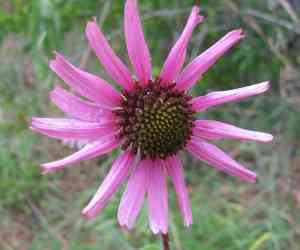
The most favorable periods for relocating tennessee purple coneflower are from early to mid-spring, utilizing the temperate conditions for root development. Select a location that receives ample sunlight and possesses soil with good drainage. To achieve optimal outcomes, guarantee minimal disruption to the roots throughout the procedure.
What Preparations are Needed Before Transplanting Tennessee Purple Coneflower?
What is the Ideal Time for Transplanting Tennessee Purple Coneflower?
The optimal period for relocating tennessee purple coneflower is during early to mid-spring. This timeframe provides mild conditions and allows roots to establish before summer's heat. Moving tennessee purple coneflower in this season leverages spring's gentle temperatures and consistent moisture, fostering strong root development and minimizing transplant shock, setting tennessee purple coneflower up for vigorous health and vibrancy.
How Much Space Should You Leave Between Tennessee Purple Coneflower Plants?
For tennessee purple coneflower, considering its mature dimensions, allow ample room for growth. Space them approximately 2-3 feet (60-90 cm) apart for optimal outcomes. This spacing enables them to spread, flourish, and avoid competing with neighboring plants for resources.
What is the Best Soil Mix for Tennessee Purple Coneflower Transplanting?
Regarding soil, tennessee purple coneflower thrives in well-drained clay or sandy soil. Therefore, incorporate compost or a soil conditioner into the existing ground. Adding a balanced slow-release fertilizer can maintain its health throughout the growing season.
Where Should You Relocate Your Tennessee Purple Coneflower?
Placement is key! For tennessee purple coneflower, select a location with full sun to partial shade. They will appreciate absorbing the warmth, which aids in producing their vibrant purple blooms. Remember, they require at least 6 hours of daily sunlight.
What Equipments Should You Prepare Before Transplantation Tennessee Purple Coneflower?
Gardening Gloves
To safeguard your hands from soil microbes or potential thorns while handling the tennessee purple coneflower.
Trowel
A compact implement useful for excavating small holes for transplanting and incorporating compost or organic material.
Shovel/Spade
For extracting the tennessee purple coneflower from its original spot and digging the new planting hole.
Watering Can
To hydrate the plant before and after its relocation. It's best to use one with a sprinkler head for even water distribution.
Organic Compost or Fertilizer
Enriches the soil to supply adequate nutrients for the recently transplanted tennessee purple coneflower.
Garden Secateurs/Pruners
This is for trimming any dead or overgrown parts of the tennessee purple coneflower before transplanting to encourage fresh growth.
How Do You Remove Tennessee Purple Coneflower from the Soil?
How Do You Remove Tennessee Purple Coneflower from the Soil?
From Ground: First, gently water the tennessee purple coneflower plant to moisten the surrounding soil. This will facilitate easier removal. Using a shovel, dig a wide circle around the plant, ensuring a safe distance from the base stem to prevent root damage. Then, dig beneath the root ball to carefully lift the plant from the ground.From Pot: Water the tennessee purple coneflower plant thoroughly and tilt the pot sideways. Hold the plant at its base, and with a gentle pull and slight tap on the pot, it should slide out. If the plant is stuck, run a trowel along the pot's inner edge to loosen it.From Seedling Tray: Use a trowel or your fingers to carefully extract the tennessee purple coneflower from its cell, taking care not to harm the delicate root system. Watering the seedlings beforehand is recommended to simplify this task.
Step-by-Step Guide for Transplanting Tennessee Purple Coneflower
Digging a Hole
First, select the new site for your tennessee purple coneflower, considering its growth needs and compatibility with other plants. Once chosen, use your shovel to excavate a hole twice as wide and equal in depth to the plant's root ball.
Preparing the Hole
Incorporate organic matter or compost into the prepared hole and mix it with the existing soil. This step ensures your tennessee purple coneflower will have ample nutrients to thrive immediately.
Placing the Plant
Position your tennessee purple coneflower in the center of the hole. Ensure the top of the root ball is flush with the soil surface. This is vital for proper development.
Backfilling
Refill the hole with soil, gently pressing down to eliminate any air pockets.
Watering
Water the tennessee purple coneflower gently. Watering helps settle the soil around the roots and aids in recovery from transplant shock.
How Do You Care For Tennessee Purple Coneflower After Transplanting?
Consistent Care
Remember, recently transplanted plants like tennessee purple coneflower are fragile and require extra attention. Regular checks for wilting, discoloration, or pest infestation are essential.
Watering
Avoid excessive watering, but ensure the soil remains consistently moist for at least the first few weeks post-transplantation. This assists in root establishment.
Pruning
Inspect the tennessee purple coneflower regularly and trim any dead or diseased branches to conserve the plant's energy. This is particularly beneficial for stimulating new growth in spring or summer.
Transplant Shock Management
If the tennessee purple coneflower exhibits signs of transplant shock, such as yellowing leaves or stunted growth, apply a transplant solution or hormone to help it recover more quickly.
Weather Consideration
Initially, shield the tennessee purple coneflower from harsh weather conditions like strong winds, extreme heat, or frost as it adapts to its new environment.
Troubleshooting Common Issues with Tennessee Purple Coneflower Transplantation.
When is the best time to transplant tennessee purple coneflower?
The ideal time to move tennessee purple coneflower is during season 1 to season 2 (S1-S2), which helps ensure a successful transition.
How should I prepare the soil for transplanting tennessee purple coneflower?
First, clear the area of weeds and rocks. Then, dig a hole at least twice the width of the plant's root ball and 10 inches (25 cm) deep. Add organic matter if needed.
How much space should I leave between each tennessee purple coneflower when transplanting?
To allow for proper development, maintain a gap of 2-3 feet (60-90 cm) between them. This spacing helps prevent overcrowding and promotes healthy growth.
What should I do if the tennessee purple coneflower wilts after transplantation?
Do not worry! Keep the soil moist, but not waterlogged. The plant may need some time to adjust to its new surroundings. Monitor it for one to two weeks.
What steps should I take to safely remove tennessee purple coneflower from its current spot?
Gently loosen the soil around the roots and use a shovel to carefully lift it out, striving to avoid damaging the root system.
Can I transplant tennessee purple coneflower on a hot, sunny day?
It is best to avoid moving tennessee purple coneflower on hot, sunny days. Cloudy afternoons or early mornings are preferable to reduce plant stress and prevent dehydration.
How deep should I plant tennessee purple coneflower into the ground during transplanting?
Aim to plant tennessee purple coneflower at the same depth it was growing in its previous location. Planting too deep or too shallow can harm the plant. Target approximately 10 inches (25 cm).
What should I do if the leaves of my transplanted tennessee purple coneflower start to turn yellow?
Yellow leaves can indicate overwatering. Remember, tennessee purple coneflower prefers consistently moist soil, not saturated soil. Adjust your watering practices accordingly.
How can I protect my newly transplanted tennessee purple coneflower from pests or diseases?
Regularly inspect the plant for signs of pests or diseases. Consider using organic pesticides if necessary. Encourage beneficial insects by planting diverse species nearby.
How shortly after transplanting can I expect my tennessee purple coneflower to bloom?
Tennessee purple coneflower typically flowers in the second year after transplantation. Be patient, provide good care, and you will be rewarded with beautiful blossoms.



