How to Propagate Tennessee purple coneflower?
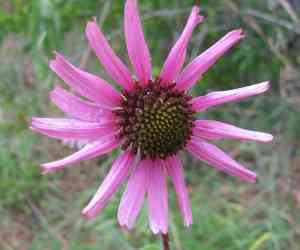
Tennessee purple coneflower flourishes most effectively when reproduced via seeding. To achieve peak development, choose a soil that drains efficiently and is abundant in organic material. Disperse seeds directly into the garden plot or initiate their growth indoors, making sure they are thinly veiled with earth to aid successful sprouting. Continuously damp soil and ample sunlight are essential. Young plants generally appear within 2-3 weeks, subsequently requiring gradual adaptation to external environments prior to relocation.
Optimal Time for Tennessee Purple Coneflower Propagation
Propagation Method
Seeding
Propagation Period
Spring
Tools for Tennessee Purple Coneflower Propagation
Seed trays
Seed trays are vital for germinating tennessee purple coneflower seeds, offering a controlled setting optimized for moisture, temperature, and light â key elements for successful sprouting. They facilitate organization and separation, minimizing disease and allowing individual care.
Peat pots
Peat pots are advantageous for tennessee purple coneflower, especially given their sensitivity during transplanting. These pots can be directly planted, reducing root disturbance. This is crucial for tennessee purple coneflower, minimizing shock and maintaining root integrity and plant health.
Misting bottle
A misting bottle is essential for maintaining humidity around tennessee purple coneflower during early germination. Consistent, gentle misting prevents drying, providing ideal moisture for enhanced germination rates and seedling development.
Seed starting mix
A seed starting mix offers a sterile, nutrient-balanced medium, perfect for sowing tennessee purple coneflower seeds. This medium encourages healthier, disease-free growth and supports strong root development, vital for the seedlings' long-term viability.
Grow lights
Grow lights can be crucial if propagating tennessee purple coneflower indoors or in suboptimal light. They ensure sufficient illumination, promoting robust growth and preventing stretching. Full-spectrum grow lights mimic natural sunlight, essential for seedling development.
How to Propagate Tennessee Purple Coneflower?
Propagation Type
Simple
Caring for Newly Propagated Tennessee Purple Coneflower
Caring for Newly Propagated Tennessee Purple Coneflower
After propagation, place tennessee purple coneflower in a sunny to partly shaded spot with well-draining soil. Water regularly to keep the soil consistently moist, especially during dry periods. Apply a general-purpose fertilizer in early spring. Monitor for pests and diseases, treating as needed. Deadhead spent blooms to encourage more flowering and divide plants every few years in early spring to rejuvenate them.
Common Propagation Mistakes for Tennessee Purple Coneflower
Overwatering
Excessive watering can cause root rot for tennessee purple coneflower, a species needing well-drained soil. Too much moisture fosters fungal infections, harming root health and ultimately hindering growth.
Deep Planting
Planting tennessee purple coneflower seeds too deep can impede germination due to insufficient light and oxygen. Tennessee purple coneflower seeds require light to sprout effectively, and burying them too deeply can prevent emergence.
Ignoring Soil pH
Using soil that doesn't match tennessee purple coneflower's pH preference can lead to poor nutrient uptake. Tennessee purple coneflower thrives in slightly acidic to neutral soil, and an unsuitable pH can hinder its growth and flowering.
Crowding Plants
Planting tennessee purple coneflower seedlings too closely can result in competition for resources like light, space, and nutrients. Crowding can also facilitate disease spread among plants, reducing overall health and vigor.
Tips For Propagating Tennessee Purple Coneflower
Surface Sowing
Sow tennessee purple coneflower seeds on the soil surface and gently press them into the medium. This ensures adequate light for germination, which is vital for their development.
Well-draining Soil
Utilize a well-draining growing medium for tennessee purple coneflower to prevent waterlogging. A mix of potting soil, sand, and perlite provides the necessary drainage to avoid root diseases and promote healthy root growth.
PH Monitoring
Regularly test and adjust soil pH to suit tennessee purple coneflower's needs, ideally between 6.0 and 7.0. Proper pH levels enhance nutrient availability, significantly impacting growth and bloom quality.
Adequate Spacing
Ensure sufficient spacing between tennessee purple coneflower plants to improve air circulation and reduce disease transmission. Proper spacing allows each plant ample access to sunlight and nutrients, fostering a healthier growth environment.



