The Tennessee purple coneflower Plant Advantage: Maximizing Home and Office Appeal and Wellness
1
The Tennessee purple coneflower brings vivid hues and aesthetic appeal to gardens.
2
It draws in beneficial insects such as bees and butterflies.
3
This coneflower variety is recognized for its resilience in less-than-ideal soil environments.
Why Opt for Tennessee Purple Coneflower in Your Garden?
Visual Allure
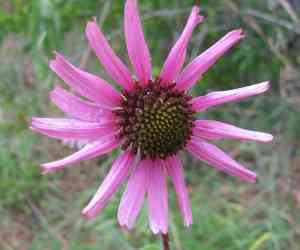
Tennessee purple coneflower is celebrated for its striking blossoms, ranging from pinkish-purple to lavender shades. These vibrant flowers can establish a captivating focal point in any garden setting. The blooms also boast an extended flowering period, allowing your garden to enjoy their beauty from mid-summer through autumn. This prolonged display of color can significantly enhance gardens that might otherwise appear sparse during certain seasons.
Minimal Upkeep Requirements
A primary reason gardeners favor Tennessee purple coneflower is its low maintenance demands. It's a drought-resistant plant capable of thriving in poor soil conditions, making it an ideal selection for those who may not possess the most skilled gardening touch. Beyond its drought tolerance, Tennessee purple coneflower also resists many common pests and diseases, lessening the need for chemical interventions. A bit of deadheading after blooming ensures abundant, recurring flowers and maintains plant vigor.
Ecological Advantages of Cultivating Tennessee Purple Coneflower
Attracting Pollinators
Gardening with Tennessee purple coneflower not only benefits your garden's aesthetics but also supports the local ecosystem. The plant's vibrant flowers and abundant nectar are particularly appealing to bees and butterflies, making it a favorite among pollinators. By planting Tennessee purple coneflower, you can contribute to the health and survival of these vital insects, which are crucial for pollinating our food crops and preserving biodiversity.
Enhancing Soil Health
Tennessee purple coneflower possesses deep root systems that play a significant role in improving soil health. These roots help prevent soil erosion and enhance soil structure by aerating it and boosting its water-retention capacity. Additionally, decomposing plant matter can add organic material to the soil, fostering fertile ground for other plants to flourish.
Advice for Successfully Growing Tennessee Purple Coneflower
Planting and Soil Preparation
To ensure Tennessee purple coneflower thrives in your garden, begin by planting it in a location that receives full to partial sunlightâideally at least six hours of direct sunlight daily. While Tennessee purple coneflower can tolerate various soil conditions, it prefers well-draining soil. If necessary, amend your soil with compost to improve its fertility and drainage. Spacing the plants approximately 18 to 24 inches apart provides ample room for growth without competition for nutrients.
Watering and Care
While Tennessee purple coneflower is quite drought-tolerant, it will benefit from consistent watering during its initial growth phase and in periods of extreme heat. Once established, the plant requires minimal watering, primarily during extended dry spells. Mulching around the plant bases can help retain moisture and reduce weed growth. A light fertilization in early spring can support robust growth, but avoid excessive fertilizing, which could lead to lush foliage at the expense of blooms.
Pairing Tennessee Purple Coneflower with Other Plants
Companion Planting
For a richer garden ecosystem, consider pairing Tennessee purple coneflower with other perennial plants like Black-eyed Susans (Rudbeckia), Bee Balm (Monarda), or ornamental grasses. These combinations not only enhance visual appeal but also create a diverse habitat that supports a variety of beneficial insects and birds. Furthermore, companion planting can help mitigate pest issues and promote a healthier garden environment.
Designing with Tennessee Purple Coneflower
Incorporate Tennessee purple coneflower into your garden design by utilizing it in borders, garden beds, and even container gardening. Its height and structure make it a versatile choice for adding depth and dimension to your landscape. Combined with its low maintenance nature, Tennessee purple coneflower can be an excellent option for both formal and informal gardens. Whether you desire a structured, tidy garden or a wild, meadow-like appearance, Tennessee purple coneflower can seamlessly integrate into your plans.



