How to Prune Tennessee purple coneflower?
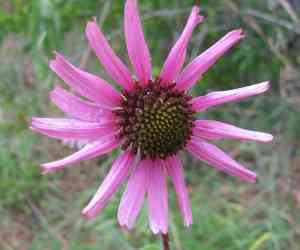
This enduring plant is recognized by its distinctive purple, daisy-like blossoms. For tennessee purple coneflower, trimming entails removing faded flowers to stimulate further blooming and preserve its aesthetic. The best periods for pruning are in spring to eliminate dead or compromised leaves, and following summer or autumn flowering. Pruning boosts the plant's robustness and can deter self-seeding if seed formation is not desired. Unhealthy or excessively long stems should also be trimmed to enhance air movement, which is vital for the well-being of tennessee purple coneflower.
What Are the Benefits of Pruning Tennessee Purple Coneflower?
What Are the Benefits of Pruning Tennessee Purple Coneflower?
Trimming tennessee purple coneflower promotes more abundant flowering, stimulates vigorous development, and helps maintain the plant's desired form. This proper care prevents congestion and enhances air circulation, boosting plant vitality.
What Is the Best Time for Pruning Tennessee Purple Coneflower?
What Is the Best Time for Pruning Tennessee Purple Coneflower?
Trimming tennessee purple coneflower in late winter to early spring is optimal while the plant is still dormant, reducing stress and the risk of disease transmission. It also aids in stimulating new growth as the active season begins. Summer trimming should occur post-flowering to shape the plant and remove faded blooms, encouraging a second flush of flowers and preventing unwanted self-seeding. Early fall trimming is also suitable for general upkeep, but should be completed well before the first frost to avoid damage to new growth that might result from pruning.
What Tools Do I Need to Prune Tennessee Purple Coneflower?
Bypass Pruners
Bypass pruners are perfect for making clean cuts on tennessee purple coneflower's stems. A clean cut is vital for healthy regrowth and minimizing plant damage. These pruners operate like scissors, with two blades 'bypassing' each other to create a sharp cut.
Gloves
Gloves protect the gardener's hands from thorns and rough plant material, ensuring safe handling of tennessee purple coneflower during pruning.
Pruning Shears
For deadheading tennessee purple coneflower or cutting back old foliage, pruning shears will provide a precise cut and are easy to maneuver in tight spaces between stems.
Garden Scissors
Garden scissors can be used for more delicate tasks on tennessee purple coneflower, such as shaping or trimming small, intricate areas where precision is key.
Disinfectant
Using a disinfectant on the tools before and after pruning tennessee purple coneflower helps prevent the spread of disease between plants.
How to Prune Tennessee Purple Coneflower
Disanitize
Before pruning tennessee purple coneflower, ensure all pruning tools are disinfected to prevent the spread of disease. Use a solution of 1 part bleach to 9 parts water to sanitize shears and snips.
Remove diseased leaves
Carefully inspect tennessee purple coneflower for any diseased leaves. Use clean, sharp pruning shears to remove these leaves at the base where they meet the stem, taking care not to damage healthy parts of tennessee purple coneflower.
Trim withered leaves
Identify any withered or dead leaves on tennessee purple coneflower. Prune these back to their base or to the nearest set of live leaves, ensuring that cuts are clean to promote rapid healing.
Cut withered flower heads
Examine tennessee purple coneflower for withered flower heads, and clip them off just above the first set of strong, healthy leaves. This will encourage tennessee purple coneflower to produce more blooms and maintain a tidy appearance.
ENsure clean cut
After trimming the necessary parts, make a final check to ensure all cuts are clean and at a slight angle to prevent water accumulation and promote quick healing.
Common Pruning Mistakes with Tennessee Purple Coneflower
Overzealous Pruning
Removing too much growth from tennessee purple coneflower can weaken the plant and reduce its blooming potential. A conservative approach is recommended.
Pruning Into Old Woody Stems
Cutting into the old, woody stems of tennessee purple coneflower can damage the plant. These stems are often less capable of producing new growth.
Incorrect Tool Usage
Using dull or unclean tools can create jagged cuts that expose tennessee purple coneflower to pests and diseases. It's essential to use sharp, sanitized pruning shears.
Cutting Too Close or Too Far From the Node
Improper cutting can either damage the node or leave a long stem stub, which can lead to disease issues for tennessee purple coneflower.
Ignoring Plant Health
Failing to remove damaged or diseased tissues during pruning can affect the overall health of tennessee purple coneflower and promote the spread of problems.
Common Pruning Tips for Tennessee Purple Coneflower
Selective Pruning
Remove only the dead, diseased, or damaged stems and spent blooms to maintain the health and appearance of tennessee purple coneflower.
Maintain Plant Shape
Prune tennessee purple coneflower to encourage a desirable shape and prevent overgrowth, but do so in moderation to avoid excessive stress.
Clean Cuts
Make clean, angled cuts just above a leaf node or bud to promote healthy new growth in tennessee purple coneflower.
Sterilize Tools
Before and after pruning tennessee purple coneflower, sterilize tools to prevent the spread of disease. This can be done with rubbing alcohol or a bleach solution.
Assess the Whole Plant
Before making any cuts, examine tennessee purple coneflower as a whole to determine which areas require pruning for optimal plant health.



