How to Transplant Spoon-leaved sundew?
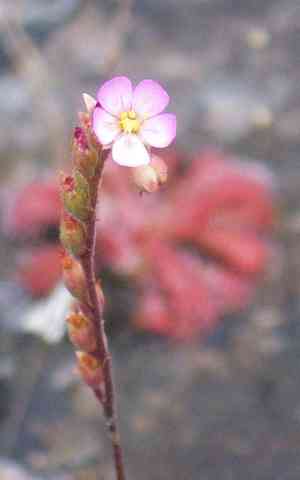
To ensure the best health for spoon-leaved sundew, relocate them during the peak of early to mid-spring, as this timeframe encourages robust development. Position them in marshy, acidic environments, guaranteeing continuous dampness. A helpful suggestion: careful manipulation aids their fragile root systems throughout this procedure.
Essential Preparations Before Relocating Spoon-leaved Sundew
Optimal Timing for Transplanting Spoon-leaved Sundew
The beginning of warmer weather, typically early to mid-spring, is the perfect time to move spoon-leaved sundew. This period allows spoon-leaved sundew to establish its root system prior to the peak summer heat. During this season, sufficient rainfall and mild temperatures support vigorous growth and root development for spoon-leaved sundew, ensuring a smooth transition to its new spot. This timing also aligns with the plant's natural growth cycle, promoting a healthier and more vibrant spoon-leaved sundew. Remember, welcoming spoon-leaved sundew with the gentle embrace of spring encourages a successful start in its new home!
Recommended Spacing Between Spoon-leaved Sundew Plants
When transplanting spoon-leaved sundew, ensure they have ample room to expand. We suggest positioning them 4-6 inches (10-15 cm) apart. A ruler can help with accuracy. Keep in mind, each plant requires its own personal area!
Best Soil Mixture for Spoon-leaved Sundew Relocation
Before transplanting spoon-leaved sundew, prepare a peat moss or sphagnum-based soil. They thrive in acidic conditions. You can use a low-nutrient base fertilizer; avoid anything too rich, a simple general-purpose option is ideal for spoon-leaved sundew.
Choosing a New Location for Your Spoon-leaved Sundew
When selecting a site for your spoon-leaved sundew, ensure it receives abundant sunlight. These plants are sun-lovers! However, they can also tolerate partial shade, such as dappled light. Position them towards the sunnier side!
Equipment Needed for Transplanting Spoon-leaved Sundew
Gardening Gloves
To safeguard your hands while handling soil and spoon-leaved sundew.
Garden Spade
To carefully excavate the spoon-leaved sundew without harming its roots.
Garden Fork
To loosen the soil in the new planting area before transplanting.
Trowel
For digging a suitable hole in the new location for spoon-leaved sundew transplantation.
Watering Can
To hydrate the spoon-leaved sundew both before and after its relocation.
Organic Compost
To supply nutrients to the spoon-leaved sundew in its new environment.
How to Extract Spoon-leaved Sundew from its Current Soil
How to Extract Spoon-leaved Sundew from its Current Soil
From Ground: First, water the spoon-leaved sundew to moisten the soil, which facilitates easier extraction. Gently dig around the base of the spoon-leaved sundew with a garden spade, being careful not to damage the roots. Slowly work the spade beneath the root system, lifting the plant cautiously, preserving as much of the root ball as possible.From Pot: Begin by watering the spoon-leaved sundew to prepare it for removal. Rotate the pot while tapping its sides to loosen the soil; this helps maintain the root ball when taking the plant out of the pot. Gently pull the plant out by grasping its base.From Seedling Tray: Water the seedlings before removing them. Gently push each seedling up from the bottom of the tray. If needed, use a blunt object like a pencil to assist in pushing the seedlings out. Hold the seedlings by their leaves to prevent injury to the stem or roots during the extraction process.
Detailed Steps for Transplanting Spoon-leaved Sundew
Prepare the New Site
Use a garden fork to loosen the soil at the new location. Dig a hole twice the width of spoon-leaved sundew's root ball and as deep as its height using a trowel.
Positioning
Place the spoon-leaved sundew in the new hole, ensuring it sits at the same soil level as it did in its original spot.
Incorporate Organic Compost
Apply a layer of organic compost around the base of spoon-leaved sundew; this will enrich the soil's nutrient content.
Refill the Hole
Gently backfill the hole with the excavated soil, taking care not to bury the spoon-leaved sundew any deeper than it was previously growing.
Thorough Watering
Water the spoon-leaved sundew immediately after transplantation. The soil should be moist, but not waterlogged.
Post-Transplantation Care for Spoon-leaved Sundew
Watering
Maintain consistently moist soil around the spoon-leaved sundew for the initial few weeks after transplantation to aid root establishment. Avoid excessive watering to prevent root diseases.
Pruning
Remove any dead or dying leaves from the spoon-leaved sundew to allow it to direct energy towards new growth.
Regular Monitoring
Observe the spoon-leaved sundew closely during the first few weeks. Look for any signs of transplant shock, such as yellowing leaves or wilting. If these symptoms appear, provide shade and reduce watering.
Patience
Growth may slow or even cease immediately after transplantation as the spoon-leaved sundew focuses energy on root establishment. Be patient; normal growth should resume within a few weeks.
Addressing Common Issues During Spoon-leaved Sundew Transplantation
What is the optimal time for transplanting spoon-leaved sundew?
The best time for transplanting spoon-leaved sundew is during the S1-S2 period. This is when the plant is most amenable to relocation.
How much space should I allow between each spoon-leaved sundew when transplanting?
When transplanting your spoon-leaved sundew, ensure they are spaced approximately 4-6 inches (10-15 cm) apart. This provides adequate room for their growth.
What actions should I take if spoon-leaved sundew is not thriving after being transplanted?
If your spoon-leaved sundew is struggling after transplanting, it may require more attention. Ensure it receives sufficient sunlight, water, and nutrients from the soil.
How deep should I plant the spoon-leaved sundew during transplant?
When transplanting spoon-leaved sundew, plant them at a depth similar to their previous growing conditions. Typically, the top of the root ball should be level with the soil surface.
What type of soil does spoon-leaved sundew require during transplant?
Spoon-leaved sundew prefers moist, well-draining soil. Try to replicate its natural growing environment for optimal results.
How soon after transplanting should I water the spoon-leaved sundew?
Water your spoon-leaved sundew immediately after transplanting to help them settle and mitigate any transplant shock.
Is it necessary to prune spoon-leaved sundew before transplanting?
Pruning is not strictly required before transplanting spoon-leaved sundew. However, if the plant is overly dense, light pruning could simplify the process.
Can I use fertilizer when transplanting spoon-leaved sundew?
Yes, you can lightly fertilize spoon-leaved sundew at the time of transplanting. But exercise caution, as too much can damage the roots.
How should I handle spoon-leaved sundew to prevent damage during transplanting?
Handle spoon-leaved sundew gently during transplanting, especially its roots. Any damage can hinder the plant's ability to establish properly in its new location.
What should I do if the leaves of spoon-leaved sundew are wilting after transplant?
Wilting leaves after transplanting may indicate stress. Ensure the plant receives adequate water and protection from extreme temperatures.



