Enhancing Your Garden Design with the Spoon-leaved sundew Plant: A Landscaping Guide
1
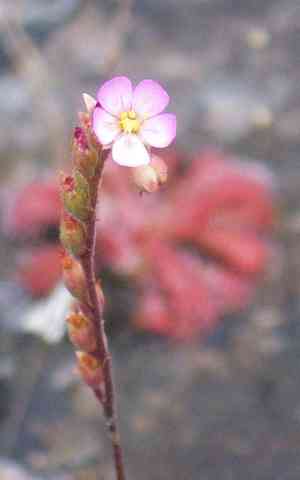
Spoon-leaved sundew presents a distinct aesthetic with its spatulate foliage and fragile look.
2
Incorporating Spoon-leaved sundew into your outdoor space can foster a more balanced environment by drawing in and managing insect numbers.
3
Appropriate positioning and upkeep are crucial for Spoon-leaved sundew to thrive within your garden layout.
Exploring the Role of Spoon-leaved Sundew in Landscape Design
Highlighting Spoon-leaved sundew's distinct visual characteristics
Upon first glance at Spoon-leaved sundew, its unique spoon-shaped foliage and shimmering droplets can captivate anyone. These dew-covered leaves not only offer a peculiar charm but also establish an intriguing focal point in any garden. The plant's compact size makes it perfect for various landscape designs, from rock gardens to terrariums. Its striking red and green tones provide a beautiful contrast to more conventional garden plants, adding depth and visual interest to your outdoor area.
Discussing the ecological advantages Spoon-leaved sundew brings to garden environments
Beyond its aesthetic appeal, Spoon-leaved sundew plays a vital role in enhancing the garden's ecosystem. As a carnivorous plant, it aids in controlling insect populations by attracting and consuming small bugs, thereby reducing the need for chemical pesticides. This natural pest management contributes to a healthier garden environment. Furthermore, by drawing insects with its sticky nectar, Spoon-leaved sundew supports the diet of beneficial insects and birds, fostering biodiversity and maintaining ecological balance in your garden.
Incorporating Spoon-leaved Sundew into Your Garden
Choosing the optimal location for Spoon-leaved sundew in your garden
Selecting the ideal spot for Spoon-leaved sundew is crucial for its growth and vitality. This plant thrives in sunny, moist conditions, mimicking its natural habitat of bogs and wetlands. When planting Spoon-leaved sundew in your garden, seek a location that receives at least six hours of direct sunlight daily. Ensure the soil is well-draining yet retains moisture, as Spoon-leaved sundew prefers consistently damp conditions. Raised beds or containers can be excellent alternatives if your garden's soil is not naturally suitable.
Pairing Spoon-leaved sundew with other plants for maximum effect
Integrating Spoon-leaved sundew with complementary plants can amplify its visual impact and improve overall garden health. Combine Spoon-leaved sundew with other moisture-loving plants such as ferns, mosses, and bromeliads to create a lush, harmonious display. Consider plants with contrasting shapes and colors to emphasize the unique features of Spoon-leaved sundew. For instance, taller grasses can provide a backdrop that highlights its low-growing form. When thoughtfully designed, these combinations can create dynamic and visually appealing garden spaces.
Care Guidelines for Spoon-leaved Sundew in Landscapes
Seasonal care essentials for Spoon-leaved sundew
Like all plants, Spoon-leaved sundew requires specific care to flourish throughout different seasons. In spring and summer, ensure it receives ample sunlight and water without allowing the soil to completely dry out. During the colder months, Spoon-leaved sundew may enter dormancy, requiring less water. Protecting it from frost and freezing temperatures is vital during winter. Monitoring and adjusting the care routine according to seasonal changes will help maintain Spoon-leaved sundew's health and vigor year-round.
Managing the growth and spread of Spoon-leaved sundew
While Spoon-leaved sundew is a relatively small and slow-growing plant, managing its growth remains essential. Keep an eye on the spread of its rosette to ensure it doesn't encroach on neighboring plants. Regularly removing dead leaves and spent flowers can prevent disease and encourage new growth. If desired, you can propagate Spoon-leaved sundew through leaf or seed cuttings to expand your garden's collection. Proper maintenance practices will ensure that Spoon-leaved sundew remains an attractive and healthy component of your landscape design.
Innovative Concepts for Using Spoon-leaved Sundew Decoratively
Creating garden focal points with Spoon-leaved sundew
One imaginative way to utilize Spoon-leaved sundew is to establish focal points in your garden. Its distinctive appearance can attract attention and serve as a conversation starter. Plant Spoon-leaved sundew in a decorative pot or a specially designed section of your garden to accentuate its beauty. Surround it with rocks, moss, and other natural elements to craft a miniature landscape that can be a centerpiece in your garden. These focal points can add an element of surprise and delight to your outdoor space.
Employing Spoon-leaved sundew in sustainable art installations
For those seeking to merge art and nature, Spoon-leaved sundew can be incorporated into sustainable art installations. Integrate it into living walls or vertical gardens to add an artistic touch while promoting sustainability. These installations can serve both decorative and functional purposes, such as improving air quality and fostering biodiversity. By thinking beyond the traditional garden layout, you can use Spoon-leaved sundew to create visually stunning and environmentally friendly art pieces that enhance both your garden and your home.



