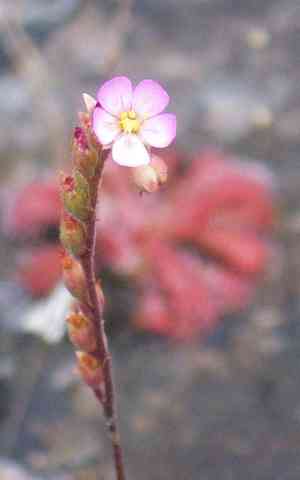
Spoon-leaved sundew (Drosera spatulata)
Also known as: Spoon-leaved sundew, Spatulate-leaved sundew
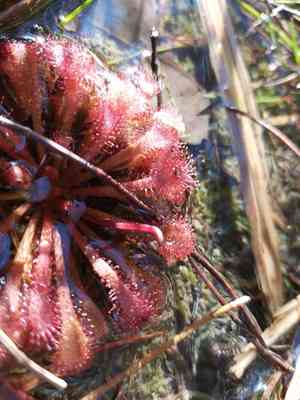
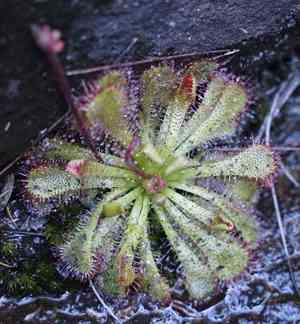
Drosera spatulata, also known as the spoon-leaved sundew, is indigenous to regions such as Southeast Asia, Australia, Tasmania, and New Zealand. This carnivorous plant features spoon-shaped leaves arranged in a rosette pattern, equipped with sticky glands to capture insects.
In This Article
Attributes of Spoon-leaved sundew
Lifespan
Perennial
Plant Type
Herb
Plant Height
2 cm
Spread
5 cm
Leaf Color
Green with red tentacles
Flower Size
6 mm
Flower Color
Pink White Purple
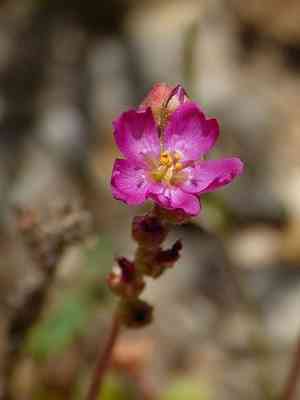
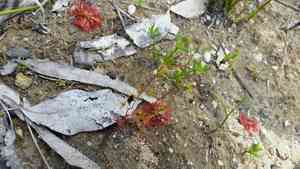
Images of Spoon-leaved sundew
Quickly Identify Spoon-leaved sundew
1
To identify Drosera spatulata, look for its distinctive rosette of spatula-shaped, sticky leaves that lie close to the ground. The leaves are typically red or green with red-tipped glandular hairs. The plant often has small white or pink flowers on long stems.
Scientific Classification of Spoon-leaved sundew
Phylum
Vascular plants
Class
Dicotyledons
Order
Caryophyllales
Family
Sundew
Genus
Sundews
Species
Spoon-leaved sundew
Planting and Growing of Spoon-leaved sundew
Care Difficulty
Easy
Watering Schedule
Every 8 days
Sunlight Requirements
Full sun
Sunshine Duration
6-10 hours
Ideal Temperature
70-80℉
Soil Type
Potting Mix, Peat Mix
Soil pH
4.5-5.5
Fertilizer Type
Balanced
Pruning Season
Spring, Summer
Pruning Area
Branches, Leaves
Pruning Frequency
Once a year
Repotting Season
Spring
Pot Type
Plastic, Ceramic
 How to Water Spoon-leaved sundew?
For Drosera spatulata, watering should mimic its natural habitat. The soil must always remain moist but not waterlogged. Aim for around 30 ml each time, ensuring the water is evenly spread across the medium without leaving any areas dry. It's crucial to maintain this balance to encourage healthy growth.
What are the symptoms of an underwatered Spoon-leaved sundew?
›
What should I do if my Spoon-leaved sundew is not getting enough water?
›
What are the symptoms of an overwatered Spoon-leaved sundew?
›
How to save an overwatered Spoon-leaved sundew?
›
 What Are the Sunlight Requirements for Spoon-leaved sundew?
Drosera spatulata prefers a balance of full and partial sun environments, receiving 5 to 8 hours of light, improving its vigorous growth and predation efficacy.
More About Sunlight Requirements Techniques→
How much light does Drosera spatulata need?
›
How to achieve ideal lighting conditions for Drosera spatulata?
›
What are the benefits of optimal light conditions for Drosera spatulata?
›
 What Is the Ideal Temperature Range for Spoon-leaved sundew?
For optimal growth, Drosera spatulata thrives in temperatures ranging from 70°F to 80°F. This temperature range closely mimics its natural habitat, providing an environment that encourages healthy growth and vibrant coloration of its leaves. Maintaining consistent temperatures within this range ensures that the plant can efficiently photosynthesize and metabolize nutrients.
 What Soil is Best for Spoon-leaved sundew?
Drosera spatulata thrives in well-drained soils that prevent water stagnation. This helps to simulate its natural habitat, ensuring the roots don't rot and promoting healthier plant growth. This plant prefers nutrient-poor substrates, as it evolved to capture insects for nutrients instead. Using such a substrate prevents competition with surrounding plants and supports the Drosera's carnivorous nature. Maintaining a consistently moist soil environment mimics the swampy regions this plant originates from, benefiting its water absorption capabilities and overall vibrancy.
 How to Fertilize Spoon-leaved sundew?
Drosera spatulata, being a carnivorous plant, requires minimal fertilization. Typically, use a diluted liquid fertilizer at 1/4 the recommended strength. Too much fertilizer can harm plant roots.
 How to Prune Spoon-leaved sundew?
Start by identifying any dead, brown, or unhealthy leaves. These are usually older leaves that the plant is naturally shedding or that have been affected by aging or lack of light. Utilize a pair of sharp scissors or pruning shears to carefully snip off the identified leaves. Make the cuts at the base of the leaf stem for a clean finish. After removing the dead leaves, ensure there's sufficient space between the remaining foliage. This will improve airflow around the plant, making it less susceptible to mold and other issues.
 How to Propagate Spoon-leaved sundew plant?
1
Start by obtaining fresh seeds, as germination rates can decrease with age. Sprinkle seeds over a peat-based substrate without covering them, as they require light to germinate.
2
Maintain high humidity by enclosing the container in a plastic bag or using a propagator. Ensure the substrate remains moist but not waterlogged to promote successful seed germination.
3
Once the plant has formed sizable clumps, carefully separate them at the roots using your scalpel or knife. Replant the divided plants in separate containers, maintaining similar growing conditions.
 How to Repot Spoon-leaved sundew plant?
1
Drosera spatulata signals its need for a new pot when roots begin peeking from the drainage holes or when its growth slows down noticeably. Spring and summer provide optimal conditions for recovery.
2
Choose a pot slightly larger than the current one to allow space for the roots to grow. Opt for pots with good drainage to prevent waterlogging, which can lead to root rot, maintaining the plant's health.
3
Select a soil mix of peat moss and sand, providing a well-draining yet moisture-retentive environment, mimicking its natural habitat. This mix enhances nutrient availability and root aeration.



