The Spoon-leaved sundew Plant Advantage: Maximizing Home and Office Appeal and Wellness
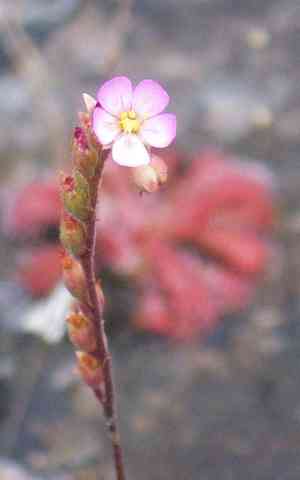
1
The spoon-leaved sundew serves as an effective organic pest management solution, drawing in and capturing various insects.
2
This species flourishes in substrate lacking in nutrients, rendering it perfect for gardens requiring minimal upkeep.
3
Spoon-leaved sundew enhances ecological diversity by fostering a distinct small-scale ecosystem.
Why Incorporate Spoon-leaved Sundew into Your Garden?
Natural Pest Management
A key advantage of Spoon-leaved sundew is its efficacy as a natural pest control method. Its adhesive, spoon-shaped leaves are designed to lure and ensnare insects. This prey-capturing ability not only supplies vital nutrients to the plant but also aids in reducing garden pest populations. Unlike chemical pesticides, Spoon-leaved sundew provides a sustainable, eco-friendly option that safeguards beneficial insects and the environment.
Flourishes in Poor Soil
Spoon-leaved sundew is well-suited to flourish in nutrient-deficient soil, making it an excellent choice for low-maintenance gardens. Unlike many plants requiring rich, fertile soil, Spoon-leaved sundew can grow in areas with minimal nutrients, such as sandy or marshy environments. This resilience means you can enjoy its beauty and benefits without extensive soil preparation or fertilization.
How Does Spoon-leaved Sundew Support Biodiversity?
Fostering a Unique Micro-Ecosystem
Spoon-leaved sundew significantly boosts biodiversity by supporting a distinct micro-ecosystem. The plant's insect-trapping features offer a food source for various organisms, including specific ant species, spiders, and other small invertebrates. These organisms, in turn, sustain higher trophic levels within the ecosystem, fostering a balanced and diverse environment. By introducing Spoon-leaved sundew to your garden, you cultivate a miniature ecosystem that can help sustain a broad spectrum of life forms.
Conservation and Educational Value
Integrating Spoon-leaved sundew into your garden also offers conservation and educational advantages. Carnivorous plants like Spoon-leaved sundew are frequently endangered due to habitat destruction and over-collection. By cultivating this plant, you contribute to its preservation and help shield it from extinction. Furthermore, Spoon-leaved sundew can serve as an educational tool, providing a captivating subject for learning about plant adaptations, ecology, and conservation. It offers a practical chance to educate both children and adults about the importance of safeguarding unique plant species.
What Are the Care Requirements for Spoon-leaved Sundew?
Optimal Growth Conditions
To ensure Spoon-leaved sundew's best growth, it's crucial to mimic its natural habitat as closely as possible. This plant prefers ample sunlight, which aids efficient photosynthesis and the development of its insect-trapping abilities. Additionally, Spoon-leaved sundew thrives in consistently moist, well-drained soil with a slightly acidic pH. A mixture of sphagnum moss and sand can help create the ideal growing medium. Regular watering with distilled or rainwater is essential, as tap water may contain minerals harmful to the plant.
Minimal Fertilization Needs
Spoon-leaved sundew requires very little fertilization because it acquires nutrients from the insects it captures. Adding fertilizer can actually be detrimental, as the plant is adapted to low-nutrient environments. Instead, focus on maintaining appropriate soil moisture and light conditions to keep your plant healthy. If you observe a decline in the plant's health, it's important to assess environmental factors like water quality, light exposure, and soil composition rather than applying fertilizers.



