How to Transplant Moldavian dragon-head?
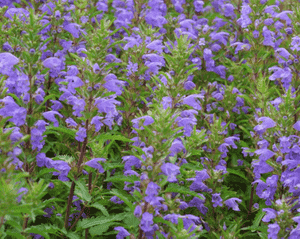
The most favorable period for relocating moldavian dragon-head is in the temperate conditions of late spring through early summer, facilitating a smooth adjustment. Select a location bathed in sunlight featuring soil that drains effectively. Careful manipulation of the root system during the transfer can substantially encourage development.
Necessary Preparations Before Relocating Moldavian Dragon-head?
When is the Best Time to Move Moldavian Dragon-head?
The perfect period for moving moldavian dragon-head is during the mild conditions of late spring or early summer. This timing promotes consistent development and strong vitality. Transplanting moldavian dragon-head at this time leverages moderate temperatures and increasing daylight, encouraging robust root establishment and smooth adaptation. This recommendation not only benefits from the season's gentle weather but also aligns with moldavian dragon-head's growth cycle, fostering exceptional vigor and bloom in your garden.
What Spacing is Recommended Between Moldavian Dragon-head Plants?
Firstly, for moldavian dragon-head to flourish, adequate room for expansion is essential. Allow approximately 1-1.5 feet (30.5-45.7 cm) of distance between each transplanted specimen. This provides ample space for them to spread and achieve their full potential.
What is the Optimal Soil Blend for Transplanting Moldavian Dragon-head?
Next, prepare the soil. Moldavian dragon-head prefers soil that drains well, so consider a mix that is sandy or loamy. Incorporate a slow-release base fertilizer to provide nourishment for your plant. This will supply the essential nutrients as your moldavian dragon-head grows and flowers.
Where Should You Replant Your Moldavian Dragon-head?
Lastly, the chosen site should receive abundant sunlight. Moldavian dragon-head thrives in bright, warm sunshine, making an area with full sun exposure vital. This will provide the necessary warmth they require to flourish.
What Tools Are Needed Before Transplanting Moldavian Dragon-head?
Gardening Gloves
To safeguard your hands while handling soil and the moldavian dragon-head plant during the relocation process.
Shovel or Gardening Spade
To assist in extracting moldavian dragon-head from its original spot and excavating a new hole in the ground.
Gardening Trowel
For minor soil adjustments and for initial removal of moldavian dragon-head from a container or seedling tray.
Watering Can or Hose
To hydrate the soil before and after moving moldavian dragon-head.
Pruning Shears
For trimming any unhealthy or dead portions of the moldavian dragon-head plant both before and after the transfer.
Organic Compost
To enrich the new planting site.
How to Extract Moldavian Dragon-head from the Ground?
How to Extract Moldavian Dragon-head from the Ground?
From Ground: First, moisten the moldavian dragon-head plant to dampen the surrounding area. Then, using a shovel or spade, dig a wide trench around the plant, ensuring the root ball remains intact. Carefully work the spade beneath the root ball to lift the plant from its initial location.From Pot: Here too, begin by watering the moldavian dragon-head plant. Then, gently tilt the pot sideways and attempt to slide the plant out without disturbing the root ball. If it doesn't release easily, tap the bottom and sides of the pot to loosen the soil and roots.From Seedling Tray: Water the tray thoroughly, then carefully lift the moldavian dragon-head saplings by holding their leaves, not their stems. Use a gardening trowel to help ease the roots out of their compartments if necessary.
Step-by-Step Guide for Relocating Moldavian Dragon-head
Preparation
Excavate a hole in the new planting spot that is twice the width and the same depth as the moldavian dragon-head plantâs root ball. Place some organic compost into the hole to enrich the soil.
Insertion
Gently position moldavian dragon-head into the hole, adjusting it so that the plant's crown (where the stem meets the roots) is level with the soil surface.
Backfilling
Refill the hole with the removed soil, gently firming it around the base of the plant. Ensure that any exposed roots are covered with soil to prevent them from drying out.
Watering
Thoroughly water the moldavian dragon-head plant immediately after transplanting. This aids in settling the soil around the plant and reestablishing the underground water flow.
How to Care for Moldavian Dragon-head After Relocation?
Trimming
Prune any damaged or wilting leaves or stems to encourage healthy, new growth and lessen the stress placed on the moldavian dragon-head plant due to transplanting.
Watering
The moldavian dragon-head plant soil should be kept moist, but not saturated. For the initial few weeks after transplanting, daily watering might be necessary.
Monitor for Pests and Diseases
Keep a close watch on your moldavian dragon-head plant for pests and disease. Early detection can significantly improve treatment effectiveness.
Addressing Common Issues with Moldavian Dragon-head Transplantation.
What's the optimal time to move moldavian dragon-head?
To ensure your moldavian dragon-head thrives, consider relocating it during late summer to early fall, or S3-S4.
How much space should I allow between moldavian dragon-head for best growth?
Moldavian dragon-head needs ample room to flourish. Maintain a distance of approximately 1-1.5 feet (30-45 cm) between each plant.
What should I do if my moldavian dragon-head wilts after transplanting?
Do not be alarmed! It's common for moldavian dragon-head to droop after being moved. Maintain an adequate watering schedule and the plant should recover.
What to do if the leaves of the relocated moldavian dragon-head turn yellow?
Yellow leaves might signal overwatering or insufficient drainage. Adjust your watering routine and assess your soil quality.
What's the ideal soil condition for transplanting moldavian dragon-head?
Moldavian dragon-head prefers well-drained soil enriched with organic matter. Ensure pH levels from 6.0 to 7.5 for optimal growth.
Why is my transplanted moldavian dragon-head not developing?
Check for adequate sunlight, proper watering, and nutrient levels in the soil. Also, inspect the plant for indications of pests or disease.
How should I prepare the planting hole for moldavian dragon-head?
The hole should be twice as wide and equally deep as the root ball. Incorporate compost or organic material for additional nutrients.
Can I initially transplant moldavian dragon-head into a pot?
Absolutely! Moving moldavian dragon-head into a pot can allow for easier monitoring of its development. Just be sure to re-pot it when necessary.
How soon after transplanting should I water moldavian dragon-head?
Water moldavian dragon-head immediately after relocation. This helps settle the soil around the roots and reduces transplant shock.
How to manage moldavian dragon-head transplant shock?
Keep the plant adequately watered, but avoid overwatering. Limiting exposure to extreme temperatures and providing shade can also help alleviate transplant shock.



