How to Prune Moldavian dragon-head?
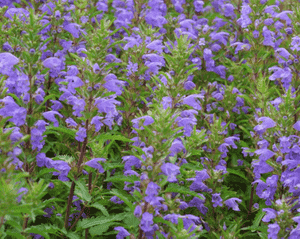
This fragrant, herbaceous perennial is recognized for its vivid purple blossoms and mint-like scent. For moldavian dragon-head, trimming should involve pinching back the ends in early spring to foster a more compact growth habit. Removing spent flowers after the initial summer bloom can prompt a subsequent flowering period. Reduce the plant by one-third in late autumn to preserve its form and deter excessive height. Strategic pruning leads to more robust plants and improved flowering, with timing synchronized with growth phases for peak vitality and bloom yield.
What Are the Benefits of Pruning Moldavian Dragon-head?
What Are the Benefits of Pruning Moldavian Dragon-head?
Trimming moldavian dragon-head encourages robust development and maintains a tidy shape. Eliminating faded blossoms and shaping the plant fosters healthier, more vigorous foliage and flowers, ensuring moldavian dragon-head flourishes with controlled dimensions and enhanced vitality.
What Is the Best Time for Pruning Moldavian Dragon-head?
What Is the Best Time for Pruning Moldavian Dragon-head?
Pruning in late spring allows moldavian dragon-head to conserve energy for producing healthy leaves and flowers during its active growth phase. Early summer pruning ensures the removal of any spent blooms and can stimulate a second flowering while the plant is actively developing. Autumn pruning is not ideal as it can make moldavian dragon-head more vulnerable to cold weather damage, impacting its growth in the subsequent season.
What Tools Do I Need to Prune Moldavian Dragon-head?
Hand pruners
Perfect for making precise cuts on moldavian dragon-head, as it typically has softer stems that don't require heavy-duty equipment. Ensure the pruners are sharp to avoid crushing more delicate stem tissue.
Pruning shears
Suitable for trimming and shaping moldavian dragon-head due to their ability to make clean and neat cuts which can help maintain the plant's bushy growth habit and prevent disease.
Gloves
Protect hands while pruning moldavian dragon-head, especially when handling potentially rough stems or when performing an extensive pruning session to shape the plant.
Garden scissors
Useful for deadheading or cutting back smaller, intricate portions of moldavian dragon-head that require a careful approach to avoid damage to adjacent stems and leaves.
How to Prune Moldavian Dragon-head
Clean Pruning Tools
Before starting, ensure all pruning tools are clean and sterilized to prevent the spread of disease to moldavian dragon-head.
Identify Withered Leaves
Carefully inspect moldavian dragon-head and locate the withered leaves that need to be removed. These are typically brown, dry, and may be curled or brittle.
Cut Withered Leaves
Using sharp scissors or pruning shears, snip the withered leaves at the base where they meet the stem. Make clean cuts to avoid damaging the healthy parts of moldavian dragon-head.
Dispose Of Debris
Collect all removed withered leaves and dispose of them away from moldavian dragon-head to prevent any potential disease or pest infestation.
Monitor Plant
After pruning, monitor moldavian dragon-head to ensure it is responding well to the pruning and that new growth is healthy. Repeat the pruning process as necessary when more withered leaves appear.
Common Pruning Mistakes with Moldavian Dragon-head
Over Pruning
Removing too much foliage at once can stress moldavian dragon-head, hindering its growth and ability to flower.
Pruning Into Old Wood
Cutting into the old, hardened wood of moldavian dragon-head can be detrimental as it may not produce new shoots easily from these regions.
Uneven Cuts
Making jagged or uneven cuts can damage stems, leading to disease and pest infestations in moldavian dragon-head.
Removing Healthy Growth
Erroneously cutting away healthy stems and leaves can reduce the vigor and bloom potential of moldavian dragon-head.
Ignoring Deadheads
Failing to remove spent flowers, a process known as deadheading, can prevent moldavian dragon-head from producing a second flush of blooms.
Common Pruning Tips for Moldavian Dragon-head
Sharp Tools
Using clean, sharp pruning shears ensures clean cuts that heal quickly and minimize stress to moldavian dragon-head.
Selective Pruning
Focus on thinning out dense areas to improve air circulation and light penetration, which is essential for moldavian dragon-head's health and blooming.
Deadheading
Regularly removing spent flowers encourages moldavian dragon-head to produce more blooms and extends the flowering period.
Shaping
Lightly shape moldavian dragon-head to encourage a bushier growth habit, but be careful not to cut too far back into the woody stems.
Cleanup
After pruning moldavian dragon-head, remove all cuttings from around the base to prevent disease and discourage pests.



