How to Propagate Moldavian dragon-head?
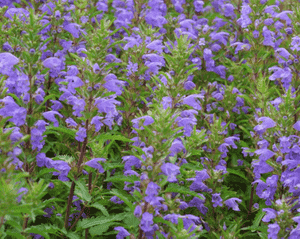
The resilient moldavian dragon-head can be successfully multiplied by planting its seeds. Carefully prepare well-draining earth and scatter seeds on top, lightly pressing them down, as illumination assists sprouting. Confirm the substrate remains damp yet not saturated. Reduce the number of young plants to avoid excessive density, enabling strong development of each specimen. Proper spacing ensures sufficient airflow, which is crucial for their well-being. In a supportive setting, the moldavian dragon-head will flourish and exhibit its vibrant blossoms, enhancing landscapes with both visual appeal and aroma.
Optimal Time for Moldavian Dragon-head Propagation
Propagation Method
Seeding
Propagation Period
Spring
Tools Utilized in Moldavian Dragon-head Propagation
Seed trays
Seed trays are perfect for initiating moldavian dragon-head seeds indoors, offering a regulated setting vital for sprouting. They enable even seed distribution and maintain adequate moisture, both crucial for consistent moldavian dragon-head germination. Individual cells within trays also simplify transplanting without disturbing the young plantâs root system.
Peat pots
Peat pots are especially advantageous for moldavian dragon-head, as they reduce root disturbance during relocation. These biodegradable containers can be planted directly into the ground, lessening transplant shock and fostering healthier, faster-growing plants. They also help preserve the soil structure around the roots, which is essential for the delicate root systems of young moldavian dragon-head plants.
Misting bottle
A misting bottle is essential for gently watering moldavian dragon-head seeds without dislodging them. It ensures the soil remains lightly damp, providing the ideal moisture level required for seed germination. Regular misting helps maintain humidity around the seeds, a key factor in successful moldavian dragon-head germination.
Labels or markers
Employing labels or markers is beneficial for tracking the growth and types of moldavian dragon-head, particularly when propagating multiple batches. This assists in monitoring progress and maintaining the correct care regimen for each batch according to its specific growth stage or requirements.
Trowel
A trowel is employed for moving moldavian dragon-head seedlings from seed trays or peat pots into the garden or larger containers. It aids in digging appropriately sized holes and carefully handling plants during transplantation, ensuring seedlings are securely and correctly positioned for optimal development.
How to Propagate Moldavian Dragon-head?
Propagation Type
Simple
Caring for Your Newly Propagated Moldavian Dragon-head
Caring for Your Newly Propagated Moldavian Dragon-head
Post-propagation, gradually introduce moldavian dragon-head seedlings to outdoor conditions over a week if they began indoors. Water consistently to keep the soil moist but not saturated, and provide them with full sun to partial shade. Fertilize with a balanced, general-purpose fertilizer as per product directions for ongoing growth and flowering.
Common Errors to Avoid When Propagating Moldavian Dragon-head
Overwatering
Excessive watering can cause root rot for moldavian dragon-head, which needs well-draining soil. Saturated conditions hinder root development and heighten the risk of fungal diseases.
Deep sowing
Planting moldavian dragon-head seeds too deep can impede germination, as moldavian dragon-head seeds need light to sprout effectively. Buried seeds may not receive adequate light, reducing the chances of successful propagation.
Neglecting soil quality
Using substandard soil can compromise moldavian dragon-head's development. Soil lacking sufficient nutrients or proper drainage can prevent moldavian dragon-head from flourishing and forming strong roots.
Ignoring humidity requirements
Failing to maintain appropriate humidity levels can stress moldavian dragon-head cuttings, which require consistent humidity for successful rooting, without being overly wet.
Advice for Propagating Moldavian Dragon-head
Light exposure for seeds
Place moldavian dragon-head seeds on the soil surface, or cover lightly with a thin layer of soil, as they need light to germinate. This will maximize exposure and facilitate uniform sprouting.
Use of rooting hormone
For cuttings, applying a rooting hormone to moldavian dragon-head's cut ends can encourage better and faster root development by stimulating root growth.
Well draining soil
Utilize well-draining soil or a seed-starting mix to provide moldavian dragon-head with optimal growing conditions. This promotes good aeration and appropriate moisture levels for the roots.
Humidity control for cuttings
Maintain a stable, humid environment for moldavian dragon-head cuttings. Use a plastic cover or a humidity dome to help retain consistent moisture during the rooting phase.



