How Much Sunlight Do Moldavian dragon-head Need?
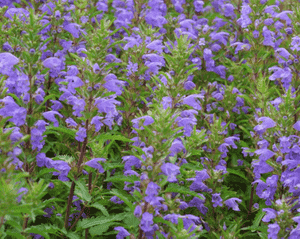
1
Moldavian dragon-head flourishes with ample sunlight, requiring over 6 hours of direct sun each day.
2
While your Moldavian dragon-head can endure some shade, its flowering might be less abundant.
3
Shield your Moldavian dragon-head from strong afternoon sun to avoid scorching its leaves.
Optimal Light Conditions for Moldavian Dragonhead
Full Sun vs. Partial Shade
The Moldavian dragonhead is an adaptable plant that thrives in full sun, meaning it prospers with over 6 hours of direct sunlight daily. While it can endure partial shade, the plantâs overall vitality and flowering potential might be diminished if it doesnât get sufficient light. Positioning your Moldavian dragonhead where it can enjoy morning sun and some afternoon shade can effectively balance its light requirements.
Advantages of Direct Sunlight
Direct sunlight encourages robust growth and vivid blossoms in Moldavian dragonhead. Consistent exposure to unfiltered light aids the plant in generating energy through photosynthesis, fostering health and resilience. More sunlight typically leads to more vigorous and abundant flowers, enhancing the vibrancy of your garden or indoor space.
Preventing Sunburn in Moldavian Dragonhead
Moldavian dragonhead can suffer from leaf scorching if subjected to excessive intense, midday sun. To avert this, aim to provide filtered sunlight during peak hours or ensure your garden offers some natural shade. Indicators of sunburn include yellowing foliage and singed edges, which can be managed by relocating the plant to a suitable spot or utilizing shade cloth.
How to Ensure Proper Sunlight Exposure
Choosing the Appropriate Location
Selecting the correct site is crucial for your Moldavian dragonhead's well-being. For outdoor planting, pick a garden area that receives ample morning sunlight followed by light afternoon shade. If grown indoors, place the pot near a south-facing window to guarantee it obtains the necessary hours of sunlight.
Utilizing Grow Lights Indoors
For indoor cultivators, supplementary lighting is a practical solution to ensure your Moldavian dragonhead gets adequate light, especially during shorter winter days. Opt for full-spectrum grow lights, which mimic natural sunlight, and position them approximately 15-30 centimeters (6-12 inches) above the plant. Maintain a lighting schedule that provides at least 6-8 hours of light daily.
Seasonal Adjustments
Seasonal variations impact the sunlight your Moldavian dragonhead receives. During winter months, when daylight is limited, consider moving the plant to a brighter location or extending the duration of artificial light exposure. Conversely, in peak summer, ensure the plant isnât overexposed during the hottest parts of the day to prevent overheating and scorching.
Indicators of Too Much or Too Little Sunlight for Your Moldavian Dragonhead
Recognizing Sunburn Damage
Sunburn in Moldavian dragonhead typically manifests as yellowing or brown patches on the leaves, with edges that appear crisp or scorched. This damage usually results from excessive direct sunlight. If you observe these signs, move the plant to a more shaded area or provide cover during peak sunlight hours.
Signs of Insufficient Light
Inadequate light can lead to leggy growth, pale leaves, and reduced flowering in Moldavian dragonhead. The plant may stretch towards light sources, indicating a lack of sufficient sunlight. To rectify this, gradually introduce more light by relocating the plant to a sunnier spot or incorporating grow lights.
Corrective Actions
Balancing sunlight exposure is vital for the vibrancy of your Moldavian dragonhead. If your plant exhibits signs of sunburn, move it to a partially shaded area. For indications of insufficient light, gradually increase its exposure to sunlight. Regularly monitor the plant and adjust its positioning according to seasonal light changes to maintain its health and beauty.



