How to Transplant Wild apricot?
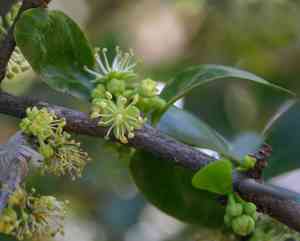
The revitalizing period following winter is ideal for wild apricot to flourish. Select a bright location featuring soil that drains effectively. A helpful suggestion: prior to relocating, confirm that the wild apricot's root system is hydrated and undisturbed to facilitate superior integration.
What Preparations are Needed Before Transplanting Wild Apricot?
What is the Ideal Time for Transplanting Wild Apricot?
The beginning of the growing season, commonly known as spring's awakening, is the optimal period to relocate wild apricot. During this time, milder temperatures and increased precipitation create an ideal environment for root development. Moving wild apricot now allows it to establish itself prior to summer's heat, ensuring vigorous growth. This timing also aligns with the plant's natural growth cycle, promoting a smooth transition to its new location and enhancing survival rates. Seize this opportunity for a flourishing wild apricot in your garden!
How Much Space Should You Leave Between Wild Apricot Plants?
When transplanting wild apricot, ensure each plant is spaced approximately 5-6 feet (1.5-1.8 meters) apart. This provides ample room for individual growth without resource competition, helping them thrive.
What is the Best Soil Mix for Wild Apricot Transplanting?
The perfect soil for wild apricot is light and drains well. Provide an initial feeding with a base fertilizer rich in potassium and phosphorus to support root development and fruit production. Mulch can assist in maintaining soil moisture.
Where Should You Relocate Your Wild Apricot?
Wild apricot thrives with abundant sunlight, so select a garden spot that receives plenty of sun exposure throughout the day. A bright, open location will ensure your plant grows healthily and produces a generous harvest.
What Equipments Should You Prepare Before Transplantation Wild Apricot?
Gardening Gloves
To safeguard your hands while handling the plant and working with the earth.
Shovel or garden spade
For excavating holes and extracting the plant from its original spot.
Gardening Trowel
It aids in positioning the wild apricot plant into the hole during relocation.
Hose or Watering Can
Utilize it to hydrate the transplanted specimen to facilitate adaptation in its new setting.
Mulch
It assists in regulating soil temperature and moisture, and deters weed proliferation.
Support Stakes
These are beneficial for offering the wild apricot additional stability after the move.
How Do You Remove Wild Apricot from the Soil?
How Do You Remove Wild Apricot from the Soil?
From Ground: First, water the wild apricot plant to moisten the soil, which makes it easier to extract the plant. Then, using a shovel or spade, dig a trench around the plant, ensuring the plant's root ball remains intact. Gently insert the spade beneath the root ball to lift the plant with minimal root damage.From a Pot: Hydrate the plant a few hours before transplanting. Turn the pot sideways, grasp the wild apricot as close to the base as possible, and carefully pull it out. Avoid yanking the plant. If it's stuck, you can run a knife or trowel around the pot's inner edge to loosen the soil and roots.From a Seedling Tray: Fill the wild apricot plant's new container with compost, creating a depression where the plant will sit. Then, hold the seedling's base and carefully lift it from the tray and place it in the depression. Again, prevent root damage during this process.
Step-by-Step Guide for Transplanting Wild Apricot
Preparation
Clear all grass, weeds, or other vegetation from the area where the wild apricot will be moved. The location should have sufficient space to accommodate the wild apricot's growth.
Digging
Using the shovel or spade, excavate a hole that is twice as wide and the same depth as the plant's root ball.
Placing the Plant
Lower the plant into the hole, ensuring the top of the root ball is level with the ground surface. Backfill the hole with soil, compacting it as you proceed.
Watering
Thoroughly water the transplanted wild apricot, but without saturating the area. Allow the water to absorb, then add more soil if needed.
Mulching
Apply a layer of mulch around the plant, making sure it does not touch the stem of the wild apricot plant, as this could attract pests or diseases.
How Do You Care For Wild Apricot After Transplanting?
Regular watering
Water the wild apricot plant consistently after relocation. The water quantity should be moderate, and the soil must not be allowed to dry out, especially during the initial weeks.
Checking health
Periodically inspect the wild apricot for indications of stress, such as wilting or yellowing leaves, and correct as necessary.
Providing Support
If required, stake the wild apricot to help it remain upright and stable as it adjusts to the new site. However, remember not to tie it too tightly.
Troubleshooting Common Issues with Wild Apricot Transplantation.
What is the best season to transplant wild apricot?
The optimal period to plant wild apricot is in S1 when the plant is dormant. This aids in better adaptation to the new environment.
What's the ideal spacing while planting wild apricot saplings?
For healthy development, wild apricot should be planted 5-6 feet (1.5-1.8 meters) apart. This allows them to expand without competing for nutrients.
How deep should I plant the wild apricot?
The excavation should be as deep as the wild apricot's root ball but twice its width. This enables the roots to spread horizontally.
What type of soil is best suited for transplanting wild apricot?
Wild apricot prefers well-draining soil with a slightly acidic PH. Enhance the planting site with organic matter to improve soil vitality.
How much water does wild apricot need right after transplanting?
Water wild apricot thoroughly immediately after planting. Maintain consistently moist soil, but avoid excessive watering as it can lead to root rot.
Do I need to prune wild apricot sapling during the transplant?
It's advisable to trim any damaged or diseased branches. However, excessive pruning should be avoided as it might stress the plant.
Should I add fertilizers while transplanting wild apricot?
Enrich the soil with a balanced slow-release fertilizer. Too much fertilizer can harm the roots, so follow the manufacturer's guidelines carefully.
What's the potential threat when transplanting wild apricot?
Wild apricot is susceptible to transplant shock, caused by disturbing its roots. To minimize this, handle the root ball gently during the process.
Should I provide any support to wild apricot after transplanting?
Stake young wild apricot after transplanting to offer protection against wind. Additionally, using a tree guard can prevent damage from animals.
When will wild apricot start producing fruit after transplanting?
Wild apricot may take a couple of years to yield fruit following relocation. Patience is crucial, as vigorous growth will result in a more abundant harvest.



