How Much Sunlight Do Wild apricot Need?
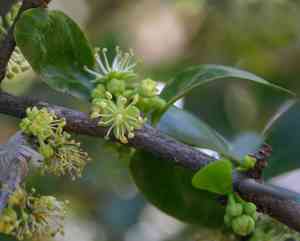
1
Wild apricot flourishes optimally with more than 6 hours of direct sun each day.
2
Although it can endure some shade, complete sun exposure results in superior fruit yield.
3
Morning light is typically more advantageous than intense afternoon sunshine.
The Significance of Sunlight for Wild Apricot
Photosynthesis and Development
Sunlight acts as the primary power source for photosynthesis in Wild apricot. Photosynthesis is the process where the plant transforms light energy into chemical energy, fueling its growth and maturation. Without adequate sunlight, this process is hindered, leading to stunted development and a less vibrant plant.
Blossoming and Fruit Yield
Wild apricot heavily relies on sufficient sunlight to produce blossoms and, subsequently, fruit. Full sunlight exposure promotes more abundant flowering, which results in a higher yield of Wild apricots. Insufficient sun can lead to fewer flowers and reduced fruit production.
Sunlight and Nutrient Uptake
Adequate sunlight assists Wild apricot in efficiently absorbing vital nutrients from the soil. Sunlight activates various plant enzymes and hormones that facilitate nutrient absorption. This ensures the plant remains well-nourished, contributing to healthy growth and fruit development.
Optimal Sunlight Conditions for Wild Apricot
Ideal Light Intensity
For optimal development, Wild apricot should be exposed to full sunlight, meaning six or more hours of direct light daily. This ensures the plant performs photosynthesis efficiently and produces healthy, nutrient-rich fruit.
Best Times of Day for Sun Exposure
Morning sunlight is particularly beneficial for Wild apricot as it is less intense and provides the necessary light for photosynthesis without the risk of scorching the leaves. Position your Wild apricot to receive ample morning sun, preferably from the east.
Seasonal Light Fluctuations
Seasonal changes can impact the amount and intensity of sunlight. During summer, ensure Wild apricot receives ample light by placing it in a location that maximizes exposure. In winter, consider supplementary light sources if natural sunlight is insufficient.
Challenges with Sunlight Exposure for Wild Apricot
Indicators of Insufficient Sunlight
If your Wild apricot isn't receiving enough sunlight, you'll observe a few clear signs: elongated growth, pale foliage, and reduced flowering. These symptoms indicate the plant is stretching towards sunlight, compromising its overall health.
Impacts of Excessive Sunlight Exposure
Overexposure to intense sunlight, especially in the afternoon, can cause leaf scorch, where the leaf edges turn brown and brittle. This can harm the plant and hinder fruit production, so balancing exposure is crucial.
Remedial Approaches
To address insufficient sunlight, consider moving your Wild apricot to a sunnier spot or using reflective materials to direct more light to the plant. For overexposure, provide shade during peak afternoon hours using a shade cloth or by planting near taller plants that can offer some relief.
FAQs Regarding Wild Apricot Sunlight Requirements
Can Wild Apricot Thrive in Partial Shade?
Yes, Wild apricot can endure partial shade, though it prefers full sun. While it may survive, it's unlikely to flourish or produce as much fruit as when grown in optimal sunlight conditions.
How to Adjust Indoor Sunlight?
If cultivating Wild apricot indoors, place it near a south-facing window where it can receive ample sunlight. Alternatively, use grow lights to supplement natural light, ensuring the plant gets enough light for healthy growth.
What Are the Best Planting Locations for Wild Apricot?
The best location for planting Wild apricot is an area that receives full sunlight throughout the day. Consider the plant's light requirements when selecting a spot in your garden or yard to ensure it gets the necessary exposure for optimal health and fruit production.



