How to Propagate Wild apricot?
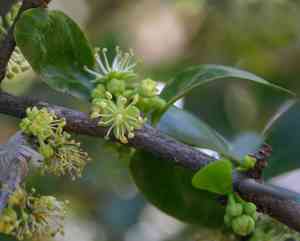
Wild apricot flourishes when reproduced via particular methods like grafting, a technique highly suitable for retaining the attributes and traits of this variety. For effective grafting, utilize scion material from a thriving source plant to guarantee vigorous development. Furthermore, confirm that the rootstocks are strong and compatible to boost the general well-being and output of wild apricot. Performing grafting during the rootstock's inactive phase maximizes the likelihood of a successful graft.
When Is the Optimal Time to Propagate Wild Apricot?
Propagation Method
Grafting
Propagation Period
Spring,Winter
What Equipment Is Used in Wild Apricot Propagation?
Grafting Knife
A sharp grafting knife is vital for making precise cuts on the scion and rootstock of wild apricot. The cleanliness and accuracy of these cuts are essential to ensure a successful union and minimize the risk of disease entering the wound sites.
Pruning Shears
These are utilized to trim wild apricot prior to grafting, preparing both the scion and rootstock. Quality pruning shears provide clean cuts that heal quickly, enhancing the graft's success rate.
Grafting Tape
This tool is employed to firmly secure the scion to the rootstock after grafting. It maintains the necessary contact and pressure at the junction, helping to ensure that the vascular tissues grow together properly.
Rooting Hormone
Although primarily used in other forms of propagation, a rooting hormone can encourage quicker root development in some grafted wild apricot plants under specific conditions, particularly if the scion or rootstock struggles to establish.
Wound Sealing Compound
Applying a sealing compound to the graft site helps prevent infection and moisture loss from the exposed tissues of wild apricot. This protection is crucial for the new graftâs survival and overall health.
How to Propagate Wild Apricot?
Propagation Difficulty
Moderately Difficult
How to Care for Your Newly Propagated Wild Apricot?
How to Care for Your Newly Propagated Wild Apricot?
After successful grafting, continue to keep the wild apricot under indirect light and shield it from extreme temperatures. Gradually introduce it to more direct sunlight. Ensure it is watered regularly but not excessively. Fertilize with a balanced, slow-release fertilizer after initial signs of new growth to support robust development. Monitor for pests and diseases regularly, applying appropriate treatments if necessary.
Common Errors to Avoid When Propagating Wild Apricot
Insufficient soil preparation
Failing to properly prepare the soil can lead to poor root development for wild apricot. A well-draining, fertile substrate is crucial for the healthy establishment of new plants.
Overwatering cuttings
Excessive watering of wild apricot cuttings can cause rotting before they have a chance to root properly. It is essential to keep the soil moist but not waterlogged.
Neglecting pest control
Ignoring the possibility of pest infestations can derail the propagation process. Pests can quickly damage or kill young wild apricot plants.
Improper cutting size
Taking cuttings that are too small or too large can affect rooting success. Cuttings should be of adequate size, typically with several nodes, to improve the chances of propagation.
Tips For Propagating Wild Apricot
Semi-hardwood cuttings
Utilize semi-hardwood cuttings from wild apricot for better rooting potential. These are taken from mature, current seasonâs growth that has partially hardened.
Rooting hormone
Apply a rooting hormone to the base of the cuttings of wild apricot to stimulate root growth and improve success rates.
Adequate lighting
Provide bright, indirect light for the propagating wild apricot cuttings to encourage healthy growth without scorching the developing plants.
Humidity control
Maintain high humidity around wild apricot cuttings by using a humidity dome or frequent misting. This helps prevent the cuttings from drying out before they can establish roots.



