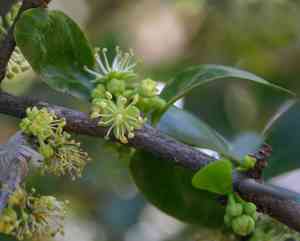
Wild apricot (Dovyalis caffra)
Also known as: Kei apple, American gooseberry, African peach
To create a natural barrier around your property using wild apricot trees, follow these steps:
1. **Tree Selection**: Opt for native wild apricot saplings that are well-suited to your local climate and soil conditions.
2. **Planting Plan**: Space the saplings 10-15 feet apart to ensure they grow together into a continuous barrier while allowing enough room for healthy development.
3. **Soil Preparation**: Prepare the planting area by tilling the soil and incorporating organic matter like compost to enhance soil fertility.
4. **Planting Process**: Dig holes that are twice as wide and as deep as the root balls of the saplings. Place the saplings into the holes, backfill with soil, and water them thoroughly to settle the soil around the roots.
5. **Irrigation**: Water the young trees regularly, particularly during the initial years, to help them establish strong root systems.
6. **Pruning and Shaping**: Regularly prune the trees to maintain a dense, bushy growth that will effectively serve as a barrier.
7. **Maintenance**: Apply mulch around the base of the trees to retain moisture and prevent weed growth. Keep an eye out for pests and diseases, taking action as necessary to keep the trees healthy.
Additionally, be aware that wild apricot fruits are quite acidic and not typically eaten raw. They require preparation before consumption. Avoid letting the fruits ferment for too long, as the fermentation liquid can have herbicidal properties and may be toxic.
Attributes of Wild apricot
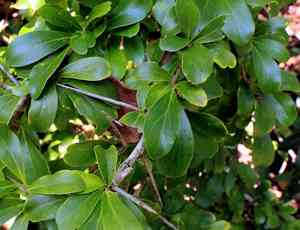
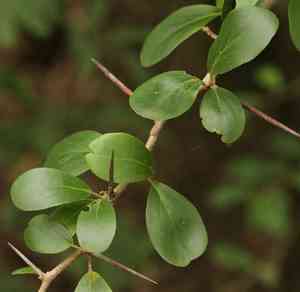
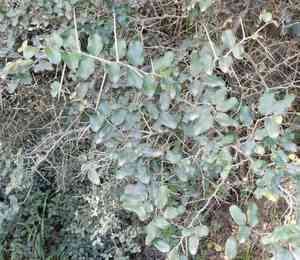
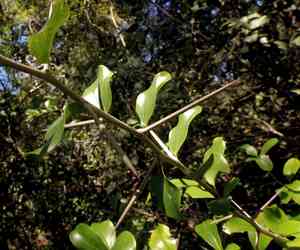
Images of Wild apricot
 How to Water Wild apricot?
  What Are the Sunlight Requirements for Wild apricot?
  What Is the Ideal Temperature Range for Wild apricot?
  What Soil is Best for Wild apricot?
  How to Fertilize Wild apricot?
  How to Prune Wild apricot?
  How to Propagate Wild apricot plant?
 How to Repot Wild apricot plant?



