How to Prune Wild apricot?
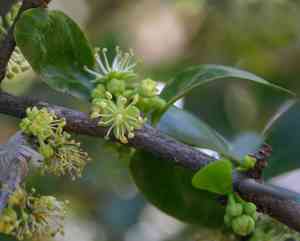
A spiny bush or compact tree recognized for its sour, palatable fruits and thick foliage, wild apricot thrives with trimming to preserve its form and stimulate fruit yield. Eliminate deceased or intersecting limbs and thin out congested sections to enhance air circulation. Perform pruning in late winter during dormancy to invigorate spring development. Trimming guarantees ample sunlight exposure, which is vital for the caliber of the fruit. Wear protective gloves to guard against spines and disinfect implements to avert pathogen transmission.
Advantages of Trimming Wild Apricot
Advantages of Trimming Wild Apricot
Trimming wild apricot encourages more abundant fruit yield, promotes vigorous development, and maintains a desired shape. By eliminating old or crowded branches, wild apricot's overall output improves, while also deterring pests and diseases.
Optimal Time for Trimming Wild Apricot
Optimal Time for Trimming Wild Apricot
Late winter is considered the best period to trim wild apricot as it is typically dormant then. Pruning during dormancy is beneficial because it minimizes stress on wild apricot and helps prevent sap bleeding that can attract pests. This timing also allows wild apricot to recover from cuts before the spring growth surge, leading to more robust growth and a healthier plant. Additionally, trimming before the plant breaks dormancy means fewer leaves and flowers are removed, thus not impacting the subsequent fruiting season.
Tools Required for Trimming Wild Apricot
Hand Pruners
Perfect for making clean cuts on branches up to 3/4 inches in diameter, suitable for maintaining wild apricot's form.
Loppers
Capable of cutting through thicker branches, up to 2 inches in diameter, essential for managing wild apricot's more substantial growth.
Pruning Saw
When wild apricot has mature, woody branches too thick for hand pruners or loppers, a pruning saw is effective for making larger cuts without harming the plant.
Hedge Shears
Useful for shaping wild apricot's denser foliage and thinner branches, allowing for even, aesthetically pleasing trimming.
Gloves
Given wild apricot's thorny nature, wearing gloves is vital to protect hands during pruning.
Long-Sleeve Clothing
To prevent scratches from wild apricot's sharp thorns during the pruning process, protective clothing is recommended.
How to Trim Wild Apricot
Sanitize Tools
Before trimming wild apricot, sterilize all pruning tools using a solution of one-part bleach to nine parts water to prevent disease spread.
Remove Dead Branches
Carefully remove dead branches from wild apricot by cutting them at the point where they meet healthy wood. Make clean cuts with sharp shears to avoid tearing the bark.
Eliminate Diseased Branches
Identify and trim away diseased branches on wild apricot, ensuring to cut well below the affected areas to remove all diseased tissues.
Disinfect After Each Cut
After each cut, especially when removing diseased branches, re-sterilize the pruning tools to prevent contaminating healthy parts of wild apricot.
Mulch And Water
After pruning, apply a layer of mulch around the base of wild apricot and water thoroughly to help the plant recover and prevent stress.
Common Trimming Errors with Wild Apricot
Over-Pruning
Removing too much foliage which can stress wild apricot and lead to reduced vigor and fruit production.
Flush Cuts
Making flush cuts against the main branch or trunk can result in large wounds that wild apricot may struggle to heal, potentially leading to disease entry.
Neglecting Tool Sanitation
Using unclean tools that can spread pathogens to wild apricot, increasing the risk of infections and disease.
Ignoring Diseased Limbs
Failing to remove diseased or damaged limbs promptly, which can impair wild apricot's overall health and stability.
Improper Cut Location
Cutting too far from or too close to the bud, which can either lead to dieback or prevent proper healing and regrowth on wild apricot.
Stripping Interior Foliage
Stripping too much interior foliage which may lead to a lack of air circulation and light penetration on wild apricot, hindering its growth.
General Trimming Advice for Wild Apricot
Angled Cuts
Making cuts at a 45-degree angle about 1/4 inch above an outward-facing bud to promote healthy regrowth and water runoff on wild apricot.
Cleanliness
Ensuring all pruning tools are clean and sharp to make precise cuts and reduce the risk of disease transmission to wild apricot.
Selective Pruning
Selectively removing only dead, diseased, or overgrown branches to maintain wild apricot's health and structure.
Balance
Aiming to create a balanced canopy to ensure adequate light and air circulation throughout wild apricot, which is essential for fruit production and overall health.
Timing With Growth Cycle
Timing pruning sessions to coincide with wild apricot's growth cycle to optimize healing and energy usage, though excluding the best season for pruning.
Gradual Rejuvenation
If heavy pruning is necessary, spreading the process over several seasons to avoid shocking wild apricot and to allow for recovery.
Mulching After Pruning
Applying a layer of mulch after pruning to help wild apricot retain moisture and recover more effectively.



