How to Transplant Indian teasel?
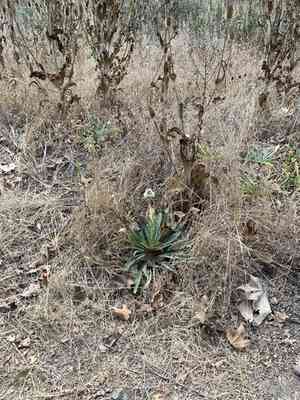
The optimal period for relocating indian teasel is during the early to mid-spring season, as vegetation reactivates. Select a brightly lit spot featuring soil that drains effectively. When moving indian teasel, proceed cautiously to lessen any disruption to its root system.
What Preparations are Needed Before Transplanting Indian Teasel?
What is the Ideal Time for Transplanting Indian Teasel?
For indian teasel, the prime transplanting period spans from mid-spring to its concluding weeks. This timeframe offers consistent temperatures, fostering root development prior to summer's heat. Moving indian teasel during this window guarantees a smooth transition from container to garden, maximizing growth potential and bloom success. The mild weather reduces transplant shock, aiding in the healthy growth of indian teasel. A friendly tip: gradual acclimation is vital for success, so ensure indian teasel settles comfortably in its new spot!
How Much Space Should You Leave Between Indian Teasel Plants?
For your indian teasel, aim for a separation of approximately 18-24 inches (45-60 cm). This allows your plants to grow without competing for resources.
What is the Best Soil Mix for Indian Teasel Transplanting?
Your indian teasel will flourish in well-draining, loamy soil. Before transplanting, enrich the soil with a balanced, slow-release fertilizer to give your indian teasel an excellent start.
Where Should You Relocate Your Indian Teasel?
Choose a location for your indian teasel that receives full sun to partial shade. This ensures your plant gets the necessary energy while also tolerating some relief from the afternoon heat.
What Equipments Should You Prepare Before Transplantation Indian Teasel?
Gardening Gloves
To shield your hands while handling soil and plants.
Shovel or Spade
For excavating the plant and preparing the new planting site.
Garden Fork
To loosen the soil surrounding the plant's root mass when extracting it.
Watering Can or Hose
To hydrate the plant before and after relocation.
Wheelbarrow or Garden Cart
To move the plant from one spot to another if required.
Pruning Shears
For trimming any damaged roots or foliage.
Mulch
To retain moisture and suppress weeds around the new planting area.
Trowel
For more precise adjustments of the plant in its new home.
Rooting Hormone (optional)
To stimulate root development after transplanting.
How Do You Remove Indian Teasel from the Soil?
How Do You Remove Indian Teasel from the Soil?
From Ground: First, moisten the indian teasel plant's soil. Then, dig a wide circle around the plant with a shovel or spade, going deep enough to encompass the entire root ball. Gently insert the garden fork beneath the root ball to loosen and lift the plant from the ground.From Pot: Water the indian teasel carefully before beginning. Turn the pot sideways, grasp the plant by its base, and tap the bottom to dislodge it. Carefully slide the plant out while supporting the root ball.From Seedling Tray: If the indian teasel is in a seedling tray, gently separate individual plants using a trowel or your fingers, taking care not to harm the roots during the process.
Step-by-Step Guide for Transplanting Indian Teasel
Prepare the New Site
Dig a hole that is twice the width and the same depth as the indian teasel's root ball. Ensure the hole is ample enough to accommodate the entire root system without crowding.
Root Ball Inspection
Examine the root ball for any signs of circling or girdled roots. If present, gently untangle the roots or use pruning shears to make vertical cuts to encourage outward growth.
Placement in the Hole
Position the indian teasel in the center of the hole. The top of the root ball should be level with the surrounding ground. Adjust the hole's depth if necessary.
Fill the Hole
Backfill the hole with soil, tamping down lightly to eliminate air pockets. Do not bury the plant deeper than its previous growing level.
Watering
Water the indian teasel thoroughly to settle the soil around the roots and help alleviate transplant shock.
Mulching
Apply a layer of mulch around the base of the indian teasel, keeping it a few inches away from the stems to prevent rot.
How Do You Care For Indian Teasel After Transplanting?
Watering
Ensure that the indian teasel receives sufficient water to keep the soil moist but not waterlogged. Consistent watering is vital, especially in the initial weeks, to help the roots establish.
Pruning
Trim away any dead or damaged foliage to help the indian teasel direct its energy towards developing new growth.
Support
If the indian teasel is tall or top-heavy, consider staking it to prevent wind damage or leaning.
Monitoring
Keep an eye out for signs of transplant shock, such as wilting or leaf drop, and take action by adjusting care as needed.
Weed Control
Remove weeds around the indian teasel to minimize competition for nutrients and water.
Troubleshooting Common Issues with Indian Teasel Transplantation.
What's the best time to transplant indian teasel?
Aim for the ideal period between mid-spring and late spring when the soil has warmed up.
How far apart should I plant indian teasel?
Ensure indian teasel has ample room to flourish by spacing them 18-24 inches (45-60 cm) apart.
Why are my indian teasel seedlings wilting after transplant?
Wilting can indicate transplant shock. Keep soil moist and temporarily shield indian teasel from intense sunlight.
Should I amend the soil before transplanting indian teasel?
Yes, incorporating compost improves soil vitality and gives indian teasel a robust start.
How much sun does indian teasel need after transplanting?
Select a location with full sun to partial shade to keep indian teasel content and thriving.
How do I know when indian teasel is ready for transplant?
Transplant indian teasel when they've developed strong roots but before they outgrow their current container.
Can I transplant indian teasel during a heatwave?
Postpone transplanting during extreme heat. Aim for a mild day to avoid stress on indian teasel.
How should I water indian teasel after transplanting?
Water deeply immediately after transplanting and maintain consistent moisture without overwatering.
What should I do if indian teasel leaves turn yellow post-transplant?
Yellow leaves can signal over or under-watering. Adjust your routine and ensure proper drainage.
How do I protect transplanted indian teasel from pests?
Monitor regularly for pests and use organic pest control methods as needed for indian teasel.



