How to Propagate Indian teasel?
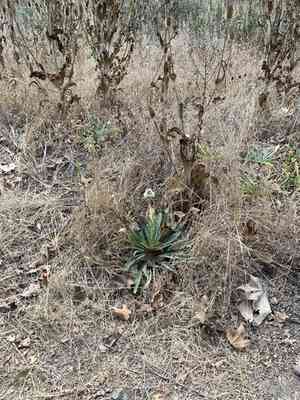
Belonging to the Dipsacaceae family, indian teasel can be successfully multiplied by seeding. For optimal sprouting, a growing medium that drains efficiently is crucial. Spreading seeds on the surface is advised because indian teasel seeds require illumination to germinate. Lightly press the seeds into the medium, leaving them uncovered. Steady dampness and a consistent temperature assist in the emergence of sprouts. Once the young plants are robust, transferring them to separate containers facilitates enhanced root growth, readying indian teasel for their ultimate placement in the garden.
What Is the Best Time To Propagate Indian Teasel?
Propagation Type
Sowing
Propagation Season
Spring
What Tools Are Used in Indian Teasel Propagation?
Seed trays
Seed trays are crucial for initiating indian teasel from seeds. These containers aid in organizing the planting process by allowing for uniform spacing and sufficient soil depth. Their compact size ensures better regulation of moisture and temperature, vital factors for indian teasel seed germination.
Peat pots
Indian teasel benefits from peat pots during propagation, as they simplify the transplanting process. These biodegradable containers can be placed directly into the ground, minimizing root disturbance and transplant shock, which is critical for the fragile roots of young indian teasel seedlings.
Misting spray bottle
A misting spray bottle is essential for gently hydrating indian teasel seeds without dislodging them. The fine mist provides the necessary moisture without causing erosion or exposing the seeds, which could potentially impede their germination and initial development.
Soil thermometer
Monitoring soil temperature with a soil thermometer is vital for indian teasel propagation. Optimal soil temperature promotes effective seed germination. Knowing the precise soil temperature helps in adjusting environmental conditions to encourage healthier and faster seed sprouting.
Perlite
Incorporating perlite into the soil mix improves drainage and aeration, beneficial characteristics for indian teasel's root development during the germination phase. Perlite prevents soil compaction, ensuring that young roots can spread easily and access necessary nutrients and water.
How to Propagate Indian Teasel?
Propagation Type
Easy
How to Care for Your Newly Propagated Indian Teasel?
How to Care for Your Newly Propagated Indian Teasel?
Once indian teasel seedlings are established, gradually introduce them to outdoor conditions if they were started indoors. After they adapt to the natural environment, plant them in the garden in an area with full sun to partial shade. Water the young plants regularly to keep the soil consistently moist but not waterlogged, and provide support structures for the tall stems if needed. As they mature, reduce watering frequency to allow the soil to dry out between waterings. Remove spent flowers to encourage further blooming and prevent self-seeding if not desired. Monitor for pests and diseases and treat as appropriate for the species.
Common Mistakes to Avoid When Propagating Indian Teasel
Overwatering
When propagating indian teasel, gardeners often provide too much water to cuttings or seeds, leading to root rot or fungal infections. This excessive moisture can create an environment where pathogens thrive, negatively impacting the plant's ability to establish a healthy root system.
Too much handling
Frequent handling or disturbance of indian teasel seeds or cuttings can damage delicate tissues and roots, hindering their growth and reducing the chances of successful propagation.
Ignoring soil requirements
Indian teasel needs well-draining soil for healthy growth. Neglecting this requirement by using heavy, compact soil can impede root development and water drainage, resulting in poor plant health.
Inadequate light
Indian teasel cuttings or seeds may not receive the proper amount of light, which is crucial for photosynthesis. Insufficient light can lead to weak, leggy growth and reduce the plant's overall vigor.
Tips For Propagating Indian Teasel
Appropriate moisture level
Maintain consistently moist soil for indian teasel cuttings or seeds without creating waterlogged conditions. This balance promotes healthy root growth and prevents decay.
Minimize handling
Once indian teasel seeds or cuttings are planted, minimize handling to prevent physical damage. Allow the plant to stabilize and grow roots without disruption.
Soil composition
Use a mixture of loamy soil and organic matter to ensure good drainage and provide essential nutrients for indian teasel. This soil composition will support robust root development.
Optimal lighting
Ensure indian teasel receives adequate but not excessive light. Proper light exposure encourages strong and healthy growth, essential for successful propagation.



