Enhancing Your Garden Design with the Indian teasel Plant: A Landscaping Guide
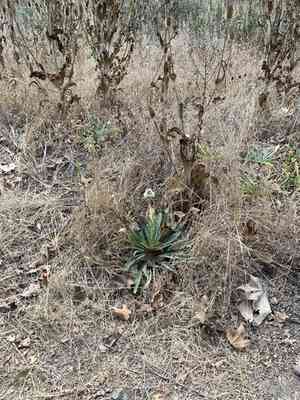
1
Indian teasel flourishes in soil that drains effectively and receives ample sun exposure.
2
Adding Indian teasel to your garden can enhance the variety of local life.
3
Indian teasel provides a distinct visual charm through its unique blooms and tactile qualities.
Exploring Indian Teasel's Growth Habits
Traits of Indian teasel's development
Indian teasel is recognized for its characteristic spiky bracts and conical flower heads. This distinct form not only introduces an intriguing visual element to your garden but also offers texture and depth. Blooming typically occurs in summer, displaying lovely, thistle-like blossoms.
Seasonal growth patterns
Indian teasel's growth commences in late spring, reaching its peak during the summer months. In autumn, the flower heads transform into seed heads, which can add an appealing look to your garden even as the plants enter winter dormancy. This yearly cycle ensures Indian teasel provides visual interest across multiple seasons.
Typical height and width
On average, Indian teasel can attain a height of 3 to 6 feet, with a spread of approximately 2 to 3 feet. Its imposing stature makes it an excellent choice for adding vertical emphasis to your landscape. The area it occupies is easily managed, making it a versatile addition to gardens of various dimensions.
Integrating Indian Teasel into Your Garden Design
Choosing the ideal spot for Indian teasel
Finding the correct placement for Indian teasel is essential for its success in your garden. Select a location with ample sunlight and well-drained soil. Avoid overly shaded areas and poorly draining soils, as these conditions can impede its growth. Positioning Indian teasel at the rear of a bed can establish a striking backdrop for shorter plants.
Companion plants for harmony
Pairing Indian teasel with other compatible plants can enhance your garden's overall aesthetic. Consider combining it with plants that possess softer, more delicate foliage to contrast with its spiky texture. Additionally, flowering plants with a different growth habit can create a balanced and visually diverse arrangement.
Color and texture considerations
Indian teasel integrates well into gardens that celebrate diverse textures and colors. Its gray-green foliage and distinctive flower heads can complement both bold and subtle color schemes. Utilize plants with contrasting textures to accentuate Indian teasel's unique structure. This fosters a dynamic and engaging landscape design.
Advantages of Adding Indian Teasel to Your Landscape
Environmental benefits
Indian teasel contributes to the environment by providing habitats for insects like bees and butterflies. The seeds produced in autumn are also a valuable food source for birds, helping to sustain local wildlife. Its deep root system aids in soil stabilization, preventing erosion and improving soil health.
Aesthetic appeal
Indian teasel's distinctive appearance makes it a focal point in any garden. The spiky flower heads and tall stems offer a unique silhouette that stands out, especially when illuminated by the sun. It adds not just beauty but also an element of surprise and intrigue to your garden.
Enhancement of biodiversity
Incorporating Indian teasel into your landscape boosts biodiversity by creating a mini-ecosystem. Birds, pollinators, and beneficial insects are drawn to its flowers and seeds, increasing the ecological complexity of your garden. This rise in biodiversity makes your garden a vibrant and lively space.
Caring for Indian Teasel in Your Landscape
Fundamental maintenance advice
Maintaining Indian teasel is relatively simple. Consistent watering during dry periods will ensure robust growth. Removing spent flowers can encourage new blooms and prevent unwanted self-seeding. Mulching around the base helps retain moisture and suppress weeds.
Seasonal care adjustments
Adapting care routines according to the season is crucial for Indian teasel's long-term health. In spring, prepare the soil with compost and fertilizers to promote vigorous growth. During summer, consistent watering is vital, while in fall, cutting back the stems will ready the plant for winter dormancy. Winter care involves minimal intervention, allowing Indian teasel to rest and rejuvenate.



