How to Prune Indian teasel?
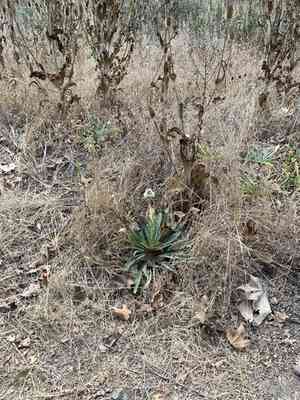
Recognized for its elevated form and cone-shaped inflorescences, Dipsacus fullonum thrives with judicious trimming to preserve its vitality and aesthetic. In early spring, sever any lifeless or frail stalks at their base. Following flowering, remove faded blossoms to stimulate fresh development. Thinning in summer improves air movement, deterring ailments. Trimming during the spring and summer periods corresponds with its developmental rhythm. Consistent pruning fosters robust growth, potentially elevating its decorative appeal while managing its dimensions and proliferation.
What Are the Benefits of Pruning Indian Teasel?
What Are the Benefits of Pruning Indian Teasel?
Trimming indian teasel promotes robust development and helps maintain its form. Regular cutting supports a strong framework, improving air circulation and light exposure, vital for its well-being and appearance.
What Is the Best Time for Pruning Indian Teasel?
What Is the Best Time for Pruning Indian Teasel?
Late Spring is ideal for pruning indian teasel, as it's after frost danger and before significant growth begins, minimizing plant stress and reducing new growth's susceptibility to frost damage. Pruning in Early Summer is also beneficial as it can boost flowering and allows indian teasel to conserve energy for developing strong, healthy growth throughout the summer. During this period, any dead or diseased wood can be removed, thereby enhancing air flow and lowering disease risks. Avoiding fall or winter pruning prevents potential frost damage to fresh cuts and ensures the plant retains energy for the subsequent growing season.
What Tools Do I Need to Prune Indian Teasel?
Bypass Pruners
Perfect for cutting live stems and small branches of indian teasel without causing undue harm to the plant.
Pruning Saw
Useful for thicker stems that bypass pruners can't manage, providing a clean cut without damaging indian teasel's main structure.
Gloves with Puncture Resistance
Protective gear is crucial to prevent injury from indian teasel's spiny stems.
Long-Handled Loppers
Offer leverage to easily prune hard-to-reach or thicker branches, maximizing precision and minimizing effort when working on indian teasel.
How to Prune Indian Teasel
Cleaning Tools
Before pruning indian teasel, sanitize all cutting tools to prevent disease spread. Use a bleach or alcohol solution to wipe blades clean.
Diseased Leaves
Identify and remove any diseased leaves from indian teasel. Cut the leaf stem where it meets the main plant, being careful not to harm nearby healthy tissue.
Withered Leaves
Locate withered leaves on indian teasel and trim them at the stalk's base. This encourages healthy growth and improves air circulation within the plant.
Diseased Stems
Prune diseased stems on indian teasel by cutting them back to a healthy section. Make the cut just above a leaf node or bud to stimulate new growth.
Cleanup
After pruning indian teasel, gather and dispose of all removed plant material to prevent the spread of decay or disease back into the plant or garden.
Common Pruning Mistakes with Indian Teasel
Overpruning
Removing too much growth can stress indian teasel, leading to weak plants and fewer blooms.
Blunt Tools
Using dull pruning tools can cause jagged cuts, which may lead to infections and poor plant health.
Neglecting Deadheading
Failing to remove spent flowers from indian teasel can result in a decline in flowering as the plant focuses energy on seed production instead of new blooms.
Improper Cuts
Cutting indian teasel too close to the main stem or leaving too long a stub can prevent proper healing and increase susceptibility to pests and diseases.
Pruning Healthy Growth
Unnecessarily cutting away healthy growth can reduce the plant's vigor and bloom potential.
Common Pruning Tips for Indian Teasel
Clean Tools
Always use clean, sharp pruning tools to make precise cuts, promoting quick healing and reducing the risk of disease.
Diagonal Cuts
Make cuts at a slight angle just above a leaf node or bud to encourage water runoff and new growth in indian teasel.
Deadheading
Regularly deadhead, or remove spent blooms, to encourage indian teasel to produce more flowers.
Thinning
Thin out crowded areas by pruning some stems at their base to improve air circulation and reduce the risk of disease for indian teasel.
Maintenance Pruning
Perform light maintenance pruning to remove any dead or damaged stems, which helps maintain the health and shape of indian teasel.



