How to Transplant Rusty foxglove?
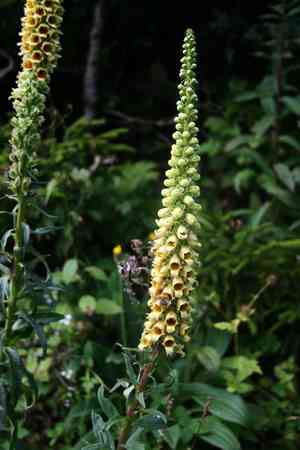
The ideal period for relocating rusty foxglove is during the mild weather of early to mid-spring, allowing for prime root development prior to the hot months. Select a location that receives full sun to partial shade, featuring damp, adequately draining earth, to provide rusty foxglove with a robust fresh beginning.
What Preparations are Needed Before Transplanting Rusty Foxglove?
What is the Ideal Time for Transplanting Rusty Foxglove?
The optimal period for moving rusty foxglove is during early spring or when spring is in full swing. This timing allows rusty foxglove to establish roots in cooler, damp soil, promoting growth and resilience. Utilize this season to give your plants a strong start, enhancing their chances for thriving and setting the stage for a vibrant display.
How Much Space Should You Leave Between Rusty Foxglove Plants?
For rusty foxglove, it's crucial to provide ample room for development. Therefore, aim for a spacing of 1-2 feet (30.5-61 cm) between each plant. This will facilitate optimal growth and good air circulation, preventing diseases.
What is the Best Soil Mix for Rusty Foxglove Transplanting?
Rusty foxglove is quite adaptable but prefers soil that drains well. A week prior to transplanting, amend the soil by incorporating some organic compost or well-rotted manure as a foundational fertilizer to nourish the plant.
Where Should You Relocate Your Rusty Foxglove?
Regarding placement, rusty foxglove thrives in partial shade. However, it can also endure full sun. Seek out a garden spot that receives filtered light throughout the day for optimal outcomes.
What Equipments Should You Prepare Before Transplantation Rusty Foxglove?
Gardening Gloves
To shield your hands from soil and potential abrasions while handling rusty foxglove.
Shovel or Spade
For excavating the plant from its original spot, and for preparing the hole in the new location.
Garden Fork
Useful for loosening the soil surrounding the plant, as rusty foxglove has robust roots that may be intertwined with the ground.
Garden Hose or Watering Can
For hydrating the plant before and after its relocation.
Wheelbarrow or Plant Trolley
To assist in moving the rusty foxglove without causing damage, especially if it's a large specimen.
Mulch
To maintain soil moisture and regulate its temperature after the rusty foxglove has been transplanted.
How Do You Remove Rusty Foxglove from the Soil?
How Do You Remove Rusty Foxglove from the Soil?
From Ground: Start by watering the rusty foxglove plant until the surrounding soil becomes moist, but not waterlogged. Using a garden fork, gently loosen the soil around the perimeter of the rusty foxglove. Dig a wide trench around the plant with a shovel, being careful not to disturb the root ball. Once a sufficient trench is created, slide the spade beneath the root ball and carefully lift the plant.From Pot: Water the rusty foxglove generously to facilitate its removal. Turn the pot on its side, keeping one hand on the soil and the other on the pot's rim. If the plant doesn't come out easily, tap lightly on the pot's sides or bottom to loosen it.From Seedling Tray: Ensure the rusty foxglove seedling is well-hydrated before transplanting. Gently separate the seedling from the others, and with a small tool or your finger, push up from the bottom of the tray to remove the seedling, taking care not to harm the roots.
Step-by-Step Guide for Transplanting Rusty Foxglove
Preparation
Water rusty foxglove before extracting it from its initial position. This will lessen the shock the plant experiences during transplantation.
Removal
Follow the guidelines provided in the 'removal process' to safely extract the rusty foxglove from its original spot.
Hole Preparation
Excavate a hole in the new location that is twice the width and equivalent in depth to the rusty foxglove's root ball.
Planting
Position rusty foxglove in the hole, ensuring the top of the root ball is level with the ground surface. Backfill the hole, gently firming the soil around the plant's base.
Watering
Water the rusty foxglove immediately after planting, until the surrounding soil is saturated. Also, apply mulch around the plant to regulate soil temperature and conserve moisture.
Settlement
Observe the rusty foxglove plant for the next few days to confirm it adapts well to its new environment.
How Do You Care For Rusty Foxglove After Transplanting?
Watering
Keep the soil around the rusty foxglove consistently moist, but be careful to avoid waterlogging, which can lead to root rot. Water deeply and less frequently.
Weed Control
Regularly check for any weeds near rusty foxglove and remove them by hand without disturbing the plant's root system.
Monitoring
Observe the plant for any indications of transplant shock, such as wilting leaves or stunted growth. In such instances, use an organic transplant shock relief product.
Pruning
After the rusty foxglove has settled, trim any damaged or excessively large leaves to encourage new growth and maintain the plant's size.
Troubleshooting Common Issues with Rusty Foxglove Transplantation.
When is the best time to transplant rusty foxglove?
Transplant rusty foxglove during S1-S2 when they are most amenable to relocation. This period offers optimal growing conditions.
What is the ideal spacing for rusty foxglove after transplanting?
After transplanting, ensure rusty foxglove are spaced approximately 1-2 feet (30-60cm) apart. Adequate space promotes healthy growth.
Why is my transplanted rusty foxglove wilting?
If rusty foxglove is wilting post-transplant, it might be due to water stress. Ensure the soil remains consistently moist, but prevent waterlogging.
What kind of soil is best for transplanting rusty foxglove?
Rusty foxglove thrives in well-draining soil, rich in organic matter. Incorporating compost or well-rotted manure significantly boosts its growth.
What depth should I transplant rusty foxglove?
Bury the root ball of rusty foxglove at the same depth it was in its container. Planting too deep or too shallow can both cause problems.
How do I know if rusty foxglove is ready for transplanting?
Rusty foxglove is typically ready for transplanting when the plant has 3-4 true leaves. It should also be robust enough to endure the move.
What to do if the leaves of transplanted rusty foxglove start turning yellow?
Yellow leaves on a transplanted rusty foxglove may signal overwatering, poor drainage, or nutrient deficiencies. Addressing these issues should help restore its vitality.
Should I fertilize rusty foxglove right after transplanting?
Avoid immediate fertilization after transplanting as it might cause root burn. Wait for 3-4 weeks and use a slow-release, balanced fertilizer.
How often should I water rusty foxglove after transplanting?
Immediately after transplanting, keep the soil of rusty foxglove consistently moist. Once established, adjust watering to mimic its natural conditions; typically, weekly watering suffices.
Should I prune rusty foxglove after transplanting?
Pruning is not necessary immediately after transplanting. However, trimming back the flower stalks of rusty foxglove after blooming encourages more flower production in the subsequent growing season.



