How to Propagate Rusty foxglove?
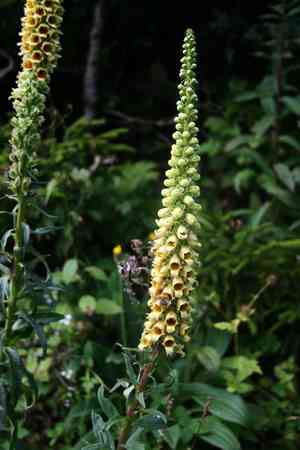
Digitalis ferruginea is most effectively multiplied via stem sections. Select robust, unblemished stalks for this procedure. Employ a sterile, keen cutting implement to lessen damage and enhance the likelihood of successful rooting. Submerge the severed tip into a rooting stimulant prior to embedding it in a porous substrate to encourage swift root formation. Guarantee a moist atmosphere and shield the cuttings from direct solar exposure during the preliminary rooting stage to prevent strain.
When Is the Optimal Time to Propagate Rusty Foxglove?
Propagation Method
Cutting
Propagation Period
Spring,Summer
What Equipment Is Used in Rusty Foxglove Propagation?
Sharp Pruning Shears
Utilized for obtaining healthy cuttings from rusty foxglove. Keen blades ensure a clean cut, minimizing harm to the parent plant and boosting the likelihood of successful rooting.
Rooting Hormone Powder
Aids the rooting process of cuttings by encouraging root formation. Applying this hormone can significantly increase the speed and success rate of rooting in rusty foxglove cuttings.
Sterilized Potting Mix
Offers a clean, nutrient-rich environment for cuttings to establish roots. Employing a sterilized medium helps prevent diseases and fungi that could harm delicate new roots.
Propagation Tray
Used to arrange and maintain the moisture levels of multiple cuttings. The tray ensures each rusty foxglove cutting is appropriately spaced and retains the necessary humidity to foster root growth.
Clear Plastic Dome
Covers the propagation tray to create a greenhouse-like atmosphere, enhancing humidity and temperature control, both vital for the rooting success of rusty foxglove.
Misting Bottle
Ensures cuttings stay hydrated but not excessively wet during the rooting process, crucial for maintaining the ideal moisture balance needed for rusty foxglove cuttings to flourish.
How to Propagate Rusty Foxglove?
Propagation Difficulty
Easy
How to Nurture Your Newly Propagated Rusty Foxglove?
How to Nurture Your Newly Propagated Rusty Foxglove?
Following propagation, rusty foxglove requires ongoing care to thrive. Place it in partial shade, as direct sun can cause leaf burn. Water consistently to keep the soil moist but well-drained, ensuring it never becomes waterlogged. Fertilize with a balanced feed every 4-6 weeks during the active growth period. Lastly, be aware of slug and snail damage, which rusty foxglove can attract, and treat with eco-friendly pest control methods if necessary.
Common Errors to Avoid When Propagating Rusty Foxglove
Excessive Watering
Overwatering rusty foxglove during its initial growth phases can lead to root rot, a condition where roots decay, preventing the plant from absorbing nutrients effectively. This hinders growth and reduces propagation success.
Planting Too Deeply
Sowing rusty foxglove's seeds too deep can impede germination as rusty foxglove seeds need light to sprout efficiently. Deep planting results in diminished or failed seedling emergence.
Neglecting Stratification Requirements
Rusty foxglove seeds typically need a cold stratification period to break dormancy. Skipping this step can lead to poor germination rates.
Using Rich Soil
While rich, nutrient-dense soil might seem beneficial, it can actually lead to excessive foliage growth in rusty foxglove at the expense of flowering and root development, which are vital for healthy propagation.
Advice for Propagating Rusty Foxglove
Light Exposure for Seeds
Expose rusty foxglove's seeds to ample light by surface sowing them. This mimics their natural growing conditions, boosting germination rates.
Cold Stratification
Replicate rusty foxglove's natural germination triggers by subjecting its seeds to a period of cold stratification. This process helps overcome seed dormancy, leading to improved germination.
Moderate Watering
Maintain moderate and consistent moisture levels when watering rusty foxglove. Ensure the soil is moist but not waterlogged to prevent root diseases and support healthy root development.
Well-Draining Soil
Utilize well-draining soil for rusty foxglove to prevent water accumulation around its roots. This promotes healthier root systems and reduces the risk of root rot and other water-related ailments.



