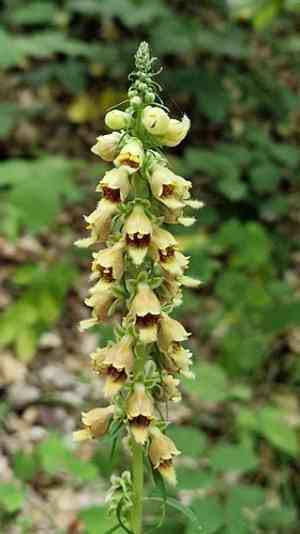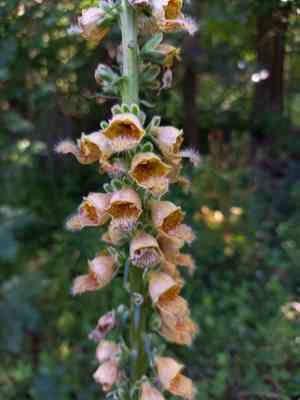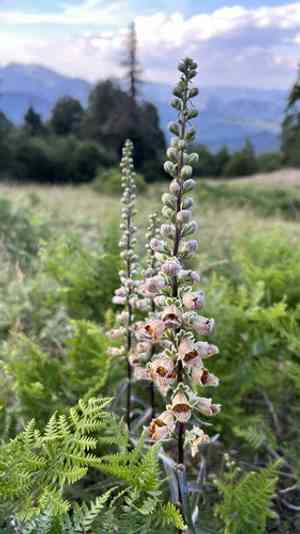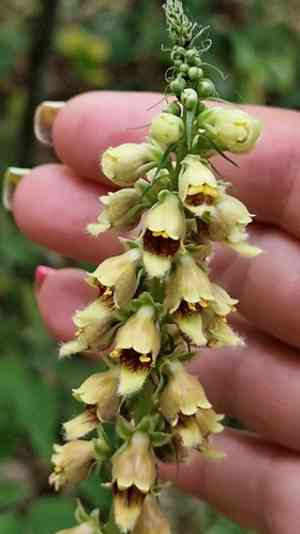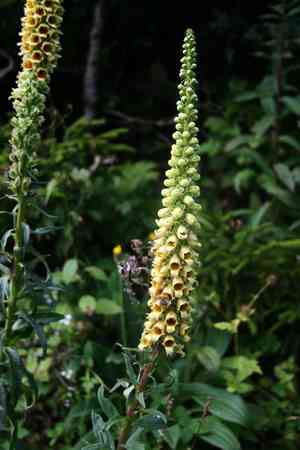
Rusty foxglove(Digitalis ferruginea)

Rusty foxglove (Digitalis ferruginea)

Also known as: Rusty Foxglove, Rusty Digitalis

Rusty foxglove (Digitalis ferruginea) stands out in gardens for several reasons:

1. **Distinctive Color**: The plant's tall spikes showcase flowers in rich shades of rusty orange, copper, and gold, adding unique warm tones to the garden.
2. **Pollinator Magnet**: Its flowers are particularly attractive to bees and other pollinators, enhancing garden biodiversity.
3. **Extended Bloom Time**: Blooming from early to mid-summer, it offers prolonged seasonal beauty.
4. **Ease of Care**: It requires minimal maintenance, thriving in well-drained soil with partial to full sunlight.
5. **Vertical Accent**: The plant's height and structure provide excellent vertical interest, making it an ideal background choice.

These characteristics make rusty foxglove a valuable and eye-catching addition to any garden.

Attributes of Rusty foxglove

Lifespan
Perennial, Biennial
Plant Type
Herb
Plant Height
91 cm to 1.5 m
Spread
40 cm
Leaf Color
Green
Flower Size
5 cm to 8 cm
Flower Color
Yellow Brown Orange

ForwardPlant - Identify plants with a snap

Identify and diagnose plants, get toxicity alerts, and explore safety guides for all types of fungi.

Try for Free

Images of Rusty foxglove

Rusty foxglove(Digitalis ferruginea)

Quickly Identify Rusty foxglove

1
Digitalis ferruginea can be identified by its tall spikes of densely packed tubular flowers which appear rusty or copper-colored. The leaves are lanceolate to oval, arranged in a rosette at the base.

Scientific Classification of Rusty foxglove

Phylum
Vascular plants
Class
Dicotyledons
Order
Lamiales
Family
Plantain
Genus
Foxgloves
Species
Rusty foxglove

Planting and Growing of Rusty foxglove

Care Difficulty
Easy
Watering Schedule
Every 3 days
Sunlight Requirements
Full sun
Sunshine Duration
6-12 hours
Ideal Temperature
60-75℉
Soil Type
Potting Mix, Peat Mix
Soil pH
6.5-7.5
Fertilizer Type
Balanced
Pruning Season
Spring, Summer
Pruning Area
Branches, Leaves
Pruning Frequency
2 times a year
Repotting Season
Spring
Pot Type
Plastic, Ceramic

water icon How to Water Rusty foxglove?

Digitalis ferruginea, commonly known as rusty foxglove, requires moderate watering. Ensure the soil is kept consistently moist but not waterlogged. A general rule is to water enough to moisten the top 1-2 inches of soil, approximately 500 ml each time.
What are the symptoms of an underwatered Rusty foxglove?
What should I do if my Rusty foxglove is not getting enough water?
What are the symptoms of an overwatered Rusty foxglove?
How to save an overwatered Rusty foxglove?

sunlight icon What Are the Sunlight Requirements for Rusty foxglove?

Sunlight Requirements: Full sun, Partial sun
Duration of light: 4 to 6 hours
Digitalis ferruginea ideally requires full to partial sun, enabling it to thrive with about four to six hours of sunlight. By providing this balance, you'll support its development of vibrant flowers and sturdy foliage, making it a captivating addition to any garden landscape.
How much direct sunlight does Digitalis ferruginea need?
Can Digitalis ferruginea adapt to less sunlight?
What are the benefits of providing ideal sunlight for Digitalis ferruginea?
More About Sunlight Requirements Techniques

temperature icon What Is the Ideal Temperature Range for Rusty foxglove?

Ideal Temperature: 60 ~ 75℉
The ideal temperature range for growing Digitalis ferruginea is between 60°F and 75°F. This range supports healthy growth and optimal flowering. Consistent temperatures within this range ensure that the plant does not experience undue stress from extreme conditions.

soil icon What Soil is Best for Rusty foxglove?

Soil type: Sandy soil, Loam, Sandy loam
Soil PH: 6.5 ~ 7.5
Digitalis ferruginea thrives in soil that drains well. This feature is critical as it prevents waterlogging, which can lead to root rot, ensuring healthy root development allowing the plant to grow robustly and produce vibrant flowers. A moderately fertile soil packed with essential nutrients caters to the full bloom of Digitalis ferruginea. The abundance of nutrients supports vigorous growth and enhances the plant's ability to resist pests and diseases. While drainage is essential, the soil should still retain adequate moisture to keep Digitalis ferruginea hydrated. This balance ensures the plant benefits from consistent water availability, promoting lush foliage and prolonged blooming.

fertilize icon How to Fertilize Rusty foxglove?

Fertilizer type: Balanced
For Digitalis ferruginea, it is important to maintain a balanced approach to fertilizing. Use a liquid fertilizer with a balanced N-P-K ratio of 10-10-10. For liquid fertilizers, dilute the solution to half strength and apply approximately 200ml per plant. For slow-release fertilizers, apply according to the label instructions, generally using about 50 grams per plant annually.

prune icon How to Prune Rusty foxglove?

Pruning Time: Spring, Summer
Begin by inspecting your Digitalis ferruginea for any dead or damaged leaves and stems, removing these with sharp shears. Target stems that have already bloomed, cutting them back to the base to encourage new growth. Next, thin out crowded stems to improve circulation and allow sunlight to reach more parts of the plant. Always cut at a 45-degree angle to reduce water retention on the cut surfaces, which can lead to rot. Digitalis ferruginea produces tall spires of flowers that bloom from the bottom to the top. Knowing this, you should begin pruning once the majority of flowers have faded at the lower part of the spike, to prolong the overall blooming period and direct energy to younger buds. More About Pruning Techniques

propagate icon How to Propagate Rusty foxglove plant?

Propagate Time: Spring, Early spring
1
Begin by filling your seed tray with a well-draining seed starting mix. Moisten the mix thoroughly but allow excess water to drain. This ensures an even distribution of moisture, which is crucial for successful seed germination.
2
Sprinkle Digitalis ferruginea seeds evenly over the prepared soil surface. Lightly press them into the soil but do not cover them completely, as these seeds require light to germinate. Maintain a consistent spacing to avoid overcrowding as seedlings develop.
3
Place the seed tray in a location with indirect sunlight and maintain a temperature of around 15-20°C (59-68°F). Use a plastic dome or cover to retain humidity, but ensure adequate ventilation to prevent fungal growth.
More About Propagating Techniques

repot icon How to Repot Rusty foxglove plant?

Repotting frequency: Biennially or as needed
1
Repot Digitalis ferruginea when you notice roots growing through the drainage holes or the soil dries out too quickly after watering. This typically indicates the plant is root-bound and needs more space. The ideal seasons to repot are spring and summer when the plant is in its active growth phase, ensuring a smoother transition.
2
Select a pot one size larger than the current one, with good drainage. Terracotta pots are a great choice as they allow moisture and air to circulate better, preventing waterlogged soil. This ensures healthier root growth and reduces the risks of root rot.
3
Opt for a well-draining, sandy loam soil mix. Such a soil structure provides balance between water retention and drainage, crucial for avoiding overwatering. It also supports nutrient availability and aeration, which are critical factors for the robust growth of your Digitalis ferruginea.

ForwardPlant - Identify plants with a snap

Find the best spots for them to optimize their health, simply using your phone.

Try for Free

Toxicity

ingestion

Identify toxic plants for your safety

Learn which plants are harmful to you and your pets, and make informed choices for a safer home!

Try for Free
WARNING
The judgment on toxicity and danger is for reference only. We DO NOT GUARANTEE any accuracy of such judgment. Therefore, you SHALL NOT rely on such judgment. It is IMPORTANT TO SEEK PROFESSIONAL ADVICE in advance when necessary.