The Rusty foxglove Plant Advantage: Maximizing Home and Office Appeal and Wellness
1
Draws in beneficial insects such as bees and butterflies to your outdoor space.
2
Resistant to dry conditions, making it ideal for gardens with minimal water requirements.
3
Possesses significant decorative appeal, providing attractive flowers that improve garden beauty.
Why Cultivate Rusty Foxglove?
Boosts Garden Visual Appeal
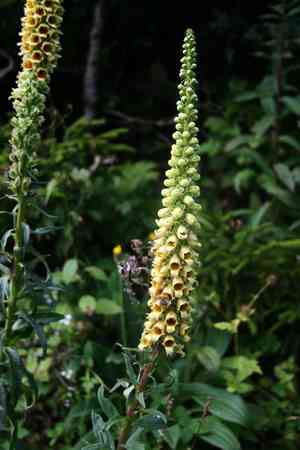
A primary advantage of Rusty foxglove is its decorative value. With its tall, impressive flower spikes and rust-colored blossoms, it can introduce vibrant color and vertical interest to any garden space. The plant's distinct look makes it a striking focal point, whether placed in flowerbeds, borders, or containers.
Draws In Pollinators
Rusty foxglove excels at attracting pollinators like bees, butterflies, and hummingbirds. These creatures are vital for the healthy functioning of garden ecosystems, aiding in the pollination of various other plants and flowers. By growing Rusty foxglove, you can foster a more lively and diverse garden.
Minimal Upkeep Needs
For gardeners seeking an easy-care plant, Rusty foxglove is an excellent option. It tolerates dry conditions and thrives in diverse soil types, including poor, sandy soils. Once established, it requires little watering and attention, making it perfect for those with busy schedules or water-wise gardening practices.
What Are the Ecological Advantages of Rusty Foxglove?
Supports Local Wildlife
Rusty foxglove not only attracts pollinators but also offers a habitat and food source for various insects and birds. By incorporating this plant into your garden, you can aid local wildlife, promoting biodiversity and a balanced ecosystem.
Erosion Prevention
Due to its deep root system, Rusty foxglove is effective in preventing soil erosion. It stabilizes the ground, especially on slopes and embankments, reducing runoff and enhancing soil health. This can be particularly beneficial in areas prone to erosion from heavy rain or wind.
Improves Soil Quality
Planting Rusty foxglove can enhance the overall health of your soil. Its roots help aerate the soil, promoting better water penetration and nutrient absorption. Additionally, as the plant decays, it adds organic matter to the soil, enriching it and fostering a healthier garden environment.
How to Integrate Rusty Foxglove into Your Garden Design?
Planting Advice
To successfully grow Rusty foxglove, select a spot with full sun to partial shade and well-drained soil. Planting in spring or fall allows roots to establish before extreme temperatures. Adequate spacing ensures proper air circulation, reducing pest and disease risk.
Companion Planting
Rusty foxglove pairs well with various other garden plants. Consider planting it alongside grasses, perennials, or other drought-tolerant plants for a cohesive landscape. Its upright growth habit can provide a striking contrast to low-growing groundcovers and mounding plants.
Seasonal Maintenance
While Rusty foxglove is low-maintenance, a bit of seasonal care can be very beneficial. Removing spent blooms encourages extended flowering, and a light pruning in late winter can help maintain the plant's shape and vigor. Mulching around the base can conserve moisture and suppress weeds, contributing to more robust growth.



