How to Prune Rusty foxglove?
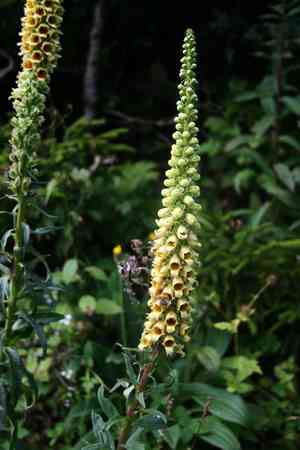
This herbaceous perennial is recognized for its elevated stalks of tubular, rust-colored blossoms. Essential trimming for rusty foxglove entails removing faded flowers to encourage additional blooming and preserve visual appeal. This task should be performed directly following the initial burst of flowers in the summer, and withered flower stalks can be trimmed to ground level in autumn. Consistent elimination of dried leaves and stems contributes positively to the plant's well-being and robustness. Seasonal trimming fosters a more orderly growth pattern and could improve the subsequent season's flowering.
What Are the Benefits of Pruning Rusty Foxglove?
What Are the Benefits of Pruning Rusty Foxglove?
Trimming rusty foxglove is vital for sustaining its strength and desired form. Thoughtful removal of dead or excess stems promotes vigorous development and results in a more compact, visually appealing structure.
What Is the Best Time for Pruning Rusty Foxglove?
What Is the Best Time for Pruning Rusty Foxglove?
Trimming rusty foxglove in late spring, following its blooming period, enables gardeners to eliminate spent flower spikes and encourage a second flush of blooms. Cutting old flower stalks prevents the plant from allocating energy to seed production. In autumn, it's advantageous to prune rusty foxglove to remove any dead or damaged foliage and prepare the plant for winter, fostering a healthier growth cycle for the subsequent year. As rusty foxglove is a biennial or short-lived perennial, strategic pruning helps maintain its vitality and aesthetic appeal.
What Tools Do I Need to Prune Rusty Foxglove?
Bypass Pruners
Perfect for making clean cuts on rusty foxglove's stems, preventing harm to the plant's tissues. Bypass pruners operate like scissors with two curved blades passing each other, minimizing damage to the remaining stem.
Garden Scissors or Snips
Useful for deadheading or trimming small, delicate areas of rusty foxglove. These instruments allow for precision without causing undue stress to the plant's framework.
Long-handled Loppers
Required for reaching elevated stems or for cutting through thicker branches that might be out of reach or too sturdy for smaller pruners.
Pruning Saw
Crucial for removing any old woody stems of rusty foxglove that are too thick for loppers. A pruning saw will quickly handle thicker growth while still providing a clean cut.
How to Prune Rusty Foxglove
Inspect
Examine rusty foxglove for the presence of diseased leaves, dead branches, and any indications of withered leaves or plant parts that require removal.
Sanitize
Before and after pruning each rusty foxglove, disinfect all cutting tools with alcohol or a bleach solution to prevent the spread of disease.
Remove diseased leaves
Carefully snip off all diseased leaves from rusty foxglove, ensuring clean cuts to avoid tearing, which could create additional entry points for disease.
Cut withered leaves
Trim back withered leaves on rusty foxglove to the stem's base, or to the nearest healthy leaf to promote improved air circulation and light penetration.
Prune dead or diseased branches
Saw or cut off any dead or diseased branches from rusty foxglove, making the cuts at a slight angle away from the main stems and above any healthy buds or branching points to encourage new growth.
Common Pruning Mistakes with Rusty Foxglove
Overpruning
Removing an excessive amount of foliage or too many stems at once from rusty foxglove can weaken the plant, diminishing its vigor and flowering potential.
Cutting into old wood
Pruning rusty foxglove into the old, woody stems that no longer produce leaves or flowers can harm the plant, as it may not readily regenerate from mature growth.
Pruning all stalks simultaneously
Cutting back all of rusty foxglove's flowering stalks can prevent seed setting, if seed propagation is desired, and may also reduce the plant's ornamental appeal.
Ignoring healthy growth patterns
Failing to consider rusty foxglove's natural growth habit and removing healthy, well-placed growth can lead to a less aesthetically pleasing shape and reduced blooming.
Pruning during active growth
Pruning rusty foxglove during periods of active growth can disrupt its natural growing and flowering cycle. Note: Seasonal timing specifics excluded as per instruction.
Common Pruning Tips for Rusty Foxglove
Gradual pruning approach
Approach pruning rusty foxglove with a conservative mindset, removing only what is necessary to shape the plant, encourage new growth, and remove spent flowers or damaged stems.
Focus on dead or damaged stems
Concentrate on removing stems that are dead, diseased, or damaged to prevent the spread of disease and to promote more robust growth in rusty foxglove.
After flowering care
Once rusty foxglove has finished blooming, cut back the flowered stems to the base to encourage the growth of new shoots which can bloom in the following year.
Maintaining plant shape
Prune rusty foxglove lightly to maintain an attractive shape and size that suits your garden design, while allowing enough room for natural growth and flowering.
Sterilizing pruning tools
Always use sterilized pruning tools to prevent the transmission of disease between plants during the pruning process. This is essential after cutting back any diseased portions of rusty foxglove.



