How to Transplant Obovate beakgrain?
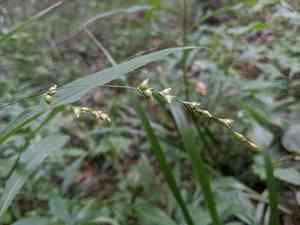
To achieve optimal outcomes, relocate obovate beakgrain during the warmer period spanning from the beginning to the end of summer. This particular flora flourishes in areas offering partial shade and possessing soil that drains effectively. Exercise careful handling to lessen the impact on its root system during the transfer process.
What Preparations are Needed Before Transplanting Obovate Beakgrain?
What is the Ideal Time for Transplanting Obovate Beakgrain?
The optimal period for relocating obovate beakgrain spans from early to late summer. During this timeframe, soil temperatures remain elevated, fostering prime growth conditions that aid in developing robust roots prior to colder weather. This enables obovate beakgrain to better endure transplant shock and acclimate to its new spot with greater ease.
How Much Space Should You Leave Between Obovate Beakgrain Plants?
For obovate beakgrain, when preparing to transplant, ensure each plant is spaced approximately 12-18 inches (30-45 cm) apart. This provides ample room for growth and development without overcrowding.
What is the Best Soil Mix for Obovate Beakgrain Transplanting?
Prior to transplanting obovate beakgrain, prepare a soil mixture that drains well and is rich in organic material. Incorporate a foundational fertilizer, such as a balanced 10-10-10 (NPK), to supply the necessary nutrients for healthy establishment.
Where Should You Relocate Your Obovate Beakgrain?
Select a site that receives partial to full shade for transplanting obovate beakgrain. This plant thrives in environments that mimic woodland settings, so avoiding intense, direct sunlight will promote its well-being.
What Equipments Should You Prepare Before Transplantation Obovate Beakgrain?
Gardening Gloves
To safeguard your hands while handling soil and plants.
Shovel or Spade
For excavating and extracting the plant from its initial position.
Garden Fork
To gently loosen the earth surrounding the plant.
Watering Can or Hose
For hydrating the plant before and after its relocation.
Garden Trowel
To assist with precise digging and planting in the new spot.
Mulch
To aid in retaining moisture around the recently transplanted specimen.
How Do You Remove Obovate Beakgrain from the Soil?
How Do You Remove Obovate Beakgrain from the Soil?
From Ground: First, moisten the obovate beakgrain plant's soil with water. Next, dig a wide trench around the plant using a shovel or spade, ensuring the root ball stays intact. Carefully work the spade beneath the root ball to lift the plant from its original spot.From Pot: Thoroughly water the obovate beakgrain plant to loosen the soil. Gently tilt the pot sideways and slide the plant out, supporting its root ball. If it's stuck, lightly tap the pot's sides to free it.From Seedling Tray: Lightly water the obovate beakgrain seedlings before removal. Use a garden fork or trowel to carefully lift each seedling by its root ball, taking care not to harm the delicate roots. Handle each seedling by its leaves to avoid crushing the stem.
Step-by-Step Guide for Transplanting Obovate Beakgrain
Prepare the New Site
Ensure the area for transplanting is well-prepared with loose, aerated soil. Dig a hole that is twice the width and the same depth as the plant's root ball.
Remove the Plant
Carefully extract the obovate beakgrain plant from its initial location using the appropriate method based on where it was originally growing.
Place the Plant in the New Hole
Position the plant in the new hole, ensuring the top of the root ball is level with the ground. Gently backfill the soil around the root ball, pressing lightly to eliminate air pockets.
Water Thoroughly
Water the newly transplanted obovate beakgrain plant generously to help settle the soil around its roots. Ensure water penetrates deeply into the new soil to encourage root development.
Apply Mulch
Add a layer of mulch around the plant's base to help retain moisture and regulate soil temperature. Keep the mulch a few inches away from the stem to prevent rot.
How Do You Care For Obovate Beakgrain After Transplanting?
Watering
Maintain consistent moisture in the soil around obovate beakgrain, avoiding sogginess, for several weeks post-transplant to aid in root establishment.
Monitoring
Regularly inspect the plant for any indications of stress, such as wilting or yellowing leaves. Address issues promptly to ensure the plant adapts well to its new environment.
Mulching Maintenance
Keep a layer of mulch around your transplanted plant to help retain soil moisture and suppress weeds, but ensure it doesn't touch the plant's stem.
Protection
If transplanting in sunny or windy conditions, consider providing temporary shade or wind protection to minimize transplant shock.
Troubleshooting Common Issues with Obovate Beakgrain Transplantation.
When is the best time to transplant obovate beakgrain?
Early to late summer is ideal for relocating obovate beakgrain to ensure robust growth.
What's the recommended spacing for obovate beakgrain after transplanting?
Space obovate beakgrain plants 12-18 inches (30-45 cm) apart to allow for proper development and air circulation.
How deep should I plant obovate beakgrain?
Ensure obovate beakgrain is planted at the same depth it was previously growing to prevent stress.
How to prepare the soil for obovate beakgrain?
Loosen the soil and incorporate compost to provide obovate beakgrain with adequate nutrients and drainage.
How to water obovate beakgrain after transplanting?
Water obovate beakgrain thoroughly post-transplant, keeping the soil consistently moist but not saturated.
What kind of sunlight does obovate beakgrain need?
Place obovate beakgrain in a location with partial to full shade for optimal growth and health.
How to handle the roots of obovate beakgrain during transplanting?
Be gentle with obovate beakgrain's roots and avoid breakage to minimize transplant shock.
What to do if obovate beakgrain shows signs of transplant shock?
Keep obovate beakgrain well-hydrated and shielded from direct sunlight until it recovers from transplant shock.
Do I need to fertilize obovate beakgrain after transplanting?
Wait a few weeks after relocating obovate beakgrain before applying a mild, balanced fertilizer.
Can obovate beakgrain be planted in containers?
Yes, obovate beakgrain can flourish in pots with sufficient root space and proper drainage.



