How to Propagate Obovate beakgrain?
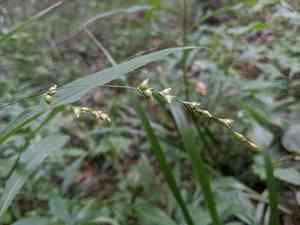
Obovate beakgrain thrives when propagated via separation. This technique guarantees uniformity in the traits of offspring plants and contributes to preserving the vigor and well-being of the parent specimen. To achieve successful propagation, meticulously divide the root masses while the plant is inactive. Treat the roots with care to lessen shock and confirm that each new segment possesses sufficient roots for sustenance. Replant these separated portions without delay into properly prepared earth to foster strong establishment.
Optimal Period for Obovate Beakgrain Propagation
Propagation Type
Division
Propagation Season
Spring,Autumn
Tools Required for Obovate Beakgrain Propagation
Garden Fork
A garden fork is crucial for separating obovate beakgrain. It aids in gently lifting the plant from the soil while minimizing root damage. This tool is especially useful for obovate beakgrain's propagation method as it allows careful separation of root clumps without excessive harm.
Hand Trowel
A hand trowel is used for digging around obovate beakgrain and carefully removing them from the ground for division. Its narrow blade is ideal for working in confined spaces, ensuring precise handling and minimal disruption to surrounding plants and roots.
Pruning Shears
Pruning shears are essential for cutting through thicker root masses or removing dead foliage before or after division. For obovate beakgrain, sharp, clean cuts are necessary to prevent disease and encourage healthy regrowth.
Watering Can with Fine Rose
After replanting divided obovate beakgrain, a gentle application of water is needed to settle the soil and hydrate the roots. The fine rose attachment on a watering can ensures a soft, even distribution of water, preventing soil displacement and providing moisture without overwhelming the newly planted divisions.
Rooting Hormone Powder
While not always essential, rooting hormone powder can accelerate the recovery and root development of obovate beakgrain after division. This specialized product enhances root growth and helps stabilize the plant in its new environment, contributing to a higher success rate in propagation.
How to Propagate Obovate Beakgrain?
Propagation Type
Easy
Caring for Your Newly Propagated Obovate Beakgrain
Caring for Your Newly Propagated Obovate Beakgrain?
Following propagation, continue to provide obovate beakgrain with consistent moisture, especially during dry periods, as regular watering is vital to support the establishment of new plants. Maintain a layer of mulch around the plants to help retain soil moisture and suppress weeds. Monitor for pest and disease issues, although obovate beakgrain is generally robust against common garden pests and diseases. No fertilization is required in the first year after planting. As the plants mature, they will benefit from occasional thinning to prevent overcrowding and to encourage vigorous growth.
Common Mistakes to Avoid When Propagating Obovate Beakgrain
Overwatering
Excessive watering can lead to root rot, significantly impairing the health of obovate beakgrain by depriving it of necessary oxygen and promoting fungal growth.
Excessive soil compaction
Compacted soil can restrict the growth and spread of obovate beakgrain's roots, making it difficult for the plant to establish. Compacted soil also hinders proper water drainage and aeration.
Ignoring container size
Using a pot that is too small can restrict root development, while a very large pot can hold excessive moisture, both scenarios potentially harming the health and growth of obovate beakgrain.
Poor choice of soil
Choosing the wrong soil type for obovate beakgrain can affect its growth. Soil that does not drain well or lacks essential nutrients can lead to poor plant health and stunted growth.
Tips For Propagating Obovate Beakgrain
Use well-draining soil
Select a well-draining soil rich in organic matter to promote healthy root growth and avoid waterlogging, which is crucial for the successful propagation of obovate beakgrain.
Moderate watering
Keep the soil of obovate beakgrain moderately moist but not waterlogged. This balance is essential to encourage new growth without risking root rot.
Adequate container size
Choose a container that allows ample space for root development but is proportional to the size of the plant to ensure optimal growth conditions for obovate beakgrain.
Gentle handling during transplanting
Handle obovate beakgrain with care during transplantation to avoid damage to roots and shoots. This will help ensure the plant can establish itself successfully in a new environment.



