How to Prune Obovate beakgrain?
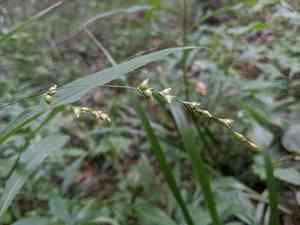
Obovate beakgrain, a perennial grass recognized for its gracefully arching, ornamental seed heads, flourishes with infrequent trimming. Perform pruning in either early spring or winter to control its dimensions and preserve the plant's well-being. Trimming in early spring encourages fresh development, whereas winter pruning readies it for the subsequent period. Strategic pruning aids in preserving an appealing form and averts excessive growth, thereby safeguarding obovate beakgrain's aesthetic charm and robustness.
Advantages of Trimming Obovate Beakgrain
Advantages of Trimming Obovate Beakgrain
Trimming obovate beakgrain encourages robust new growth and helps maintain its desired form. Regular cutting can prevent excessive growth and promote a denser, more attractive appearance.
Optimal Period for Trimming Obovate Beakgrain
Optimal Period for Trimming Obovate Beakgrain
Trimming obovate beakgrain in early spring is vital as it prepares the plant for new growth and aids in removing any dead or damaged foliage from winter. This timing allows the plant to recover and initiate new growth efficiently as the growing season commences. Additionally, winter pruning, while the plant is dormant, lessens stress on obovate beakgrain and minimizes disease transmission risk, as cuts heal faster with spring growth.
Necessary Tools for Trimming Obovate Beakgrain
Hand Pruners
Perfect for trimming and shaping the smaller, finer stems of obovate beakgrain, ensuring precise cuts without harming the delicate plant structure.
Pruning Shears
Effective for managing the denser parts of obovate beakgrain. The sharp blades of the shears make clean cuts, helping to maintain plant health and prevent disease.
Scissors
Useful for snipping dead or unwanted leaves from obovate beakgrain, especially beneficial during the plantâs dormant periods to encourage healthier growth in the spring.
How to Trim Obovate Beakgrain
Identify
Identify and remove diseased leaves from obovate beakgrain by carefully inspecting each plant. Look for any signs of discoloration or unusual texture that might indicate fungal or bacterial infection.
Disinfect
Disinfect pruning shears or scissors before and after each cut to prevent disease spread. Use a solution of one part bleach to nine parts water or rubbing alcohol for this purpose.
Remove withered
Remove all withered leaves from obovate beakgrain, which are typically dry, brown, and brittle. These are often older leaves that have naturally died off and can be gently pulled away or cut at the base.
Clean
Clean up all removed foliage from around the base of obovate beakgrain to deter pests and disease. Proper disposal of trimmings in a green waste bin or through composting after ensuring they are disease-free is essential.
Assess
Assess the overall health and shape of obovate beakgrain after removing diseased and withered leaves. This helps to identify if further selective trimming is needed or if care adjustments are required for better growth.
Common Trimming Errors with Obovate Beakgrain
Over-trimming
A common error when trimming obovate beakgrain is removing too much foliage at once, which can stress the plant and reduce its overall health and vigor.
Incorrect cuts
Making cuts too close to the main stem or leaving too large a stub can hinder healthy regrowth and potentially lead to disease entry.
Use of dull tools
Using unsharpened trimming tools can result in jagged cuts that harm obovate beakgrain and impair proper healing.
General Trimming Advice for Obovate Beakgrain
Correct tool usage
Use sharp, clean shears or scissors to make clean cuts. This helps ensure quick healing and reduces the risk of disease.
Selective thinning
Focus on thinning out overly crowded areas to increase air circulation and light penetration, which benefits obovate beakgrain's overall health and growth.
Trim for shape
Shape obovate beakgrain by selectively trimming back overgrown branches, keeping in mind the natural form of the plant to encourage balanced growth.



