The Obovate beakgrain Plant Advantage: Maximizing Home and Office Appeal and Wellness
1
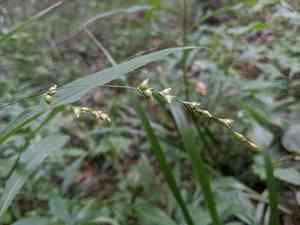
Obovate beakgrain improves ground firmness and lessens soil loss.
2
Obovate beakgrain offers visual charm through its distinctive leaves.
3
Obovate beakgrain draws in helpful insects that support a thriving garden environment.
Understanding Obovate Beakgrain
Overview and Characteristics
Obovate beakgrain is recognized by its distinctively egg-shaped seed and is commonly found in temperate zones. This perennial grass flourishes in damp, shaded environments and can reach heights of up to 1 meter. It is identified by its vibrant green leaves and unique seed heads that provide texture and visual appeal to gardens and outdoor spaces.
Native Environment and Growing Conditions
Obovate beakgrain typically grows in forested areas, often alongside streams and riverbanks. It prefers well-drained, loamy soil and can tolerate a range of pH levels. The plant is resilient and can adapt to various climates, making it an excellent choice for gardeners aiming to boost biodiversity and soil vitality.
Advantages of Growing Obovate Beakgrain
Soil Stabilization and Erosion Prevention
A primary benefit of Obovate beakgrain is its capacity to stabilize soil and prevent erosion. The plant's extensive root system anchors the soil, reducing runoff and sediment loss during heavy rainfall. This makes it an invaluable addition to slopes, riverbanks, and other areas prone to erosion.
Enhancing Visual Appeal
Beyond its practical advantages, Obovate beakgrain adds a unique aesthetic to gardens and landscapes. Its upright growth habit and lush foliage create a sense of depth and texture, making it a popular choice for decorative planting. Whether used as a ground cover or an accent plant, Obovate beakgrain enhances the beauty of outdoor areas.
Attracting Beneficial Insects and Wildlife
Supporting Pollinators
Obovate beakgrain plays a vital role in supporting local ecosystems by drawing in pollinators like bees and butterflies. The plant offers nectar and pollen, contributing to the health and sustainability of these crucial insects. By planting Obovate beakgrain, gardeners can foster a more biodiverse and resilient environment.
Habitat for Small Creatures
Beyond pollinators, Obovate beakgrain also provides shelter and food sources for various small wildlife species. Birds and small mammals often seek refuge among its dense foliage, while its seeds offer sustenance during the autumn and winter months. Including Obovate beakgrain in your garden can improve ecological balance and encourage a thriving wildlife population.
Practical Applications and Uses
Low-Effort Landscaping
One of the appealing aspects of Obovate beakgrain is its minimal maintenance requirements. Once established, the plant needs little care, making it an ideal choice for gardeners seeking a sustainable and easy-to-manage landscape. Its drought tolerance and pest resistance further add to its appeal.
Use in Restoration Projects
Obovate beakgrain is frequently utilized in ecological restoration projects due to its ability to improve soil health and restore natural habitats. Its vigorous growth and adaptability make it an excellent candidate for re-vegetating disturbed areas, stabilizing banks, and enhancing biodiversity in restoration sites.
How to Grow Obovate Beakgrain
Planting and Propagation Methods
Obovate beakgrain can be propagated using seeds or by division. When planting, ensure the soil is moist and drains well. Space the plants approximately 30-45 cm apart to allow for sufficient growth. Spring and fall are ideal times for planting, as the cooler temperatures and increased rainfall support establishment.
Care and Maintenance Advice
To maintain healthy Obovate beakgrain plants, water them regularly during the initial establishment phase. Once established, they require less frequent watering. Mulching around the base can help retain moisture and suppress weeds. Prune any dead or damaged foliage to encourage new growth and maintain a neat appearance.
Tips for Incorporating Obovate Beakgrain into Your Garden
Pairing with Other Plants
To create a harmonious and visually pleasing garden, consider combining Obovate beakgrain with other shade-loving plants such as ferns, hostas, and woodland flowers. Its vertical structure contrasts beautifully with the broad leaves of many perennials, adding dimension and interest to garden beds.
Utilizing in Various Garden Styles
Whether designing a naturalistic woodland garden or a modern landscape, Obovate beakgrain can be a versatile addition. Its adaptability to different garden styles and conditions makes it a valuable plant for various design aesthetics. Experiment with different placements and combinations to find the perfect fit for your garden.



