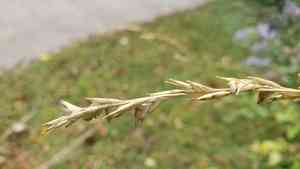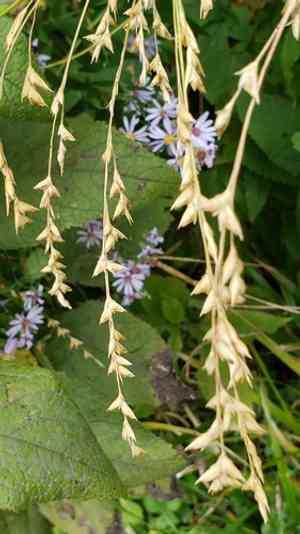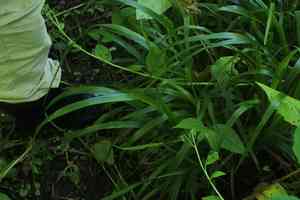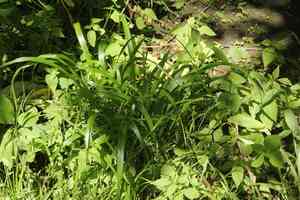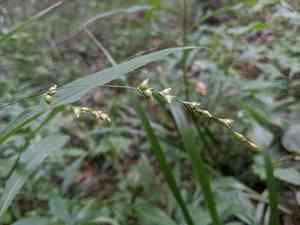
Obovate beakgrain(Diarrhena obovata)

Obovate beakgrain (Diarrhena obovata)

Also known as: Sedge Grass

Obovate beakgrain, known scientifically as Diarrhena obovata, is a perennial grass native to North America. Here are its key characteristics and growing conditions:

**Key Characteristics:**
- **Appearance**: Features egg-shaped (obovate) leaves and slender, beak-like flower spikes.
- **Height**: Reaches 2 to 3 feet in height.
- **Flowers**: Blooms from late spring to early summer with subtle flowers.
- **Foliage**: Leaves are glossy green and form a clumping habit.
- **Seed Heads**: Seed heads are persistent, adding fall and winter interest.

**Growing Conditions:**
- **Light**: Prefers partial to full shade, making it ideal for forest floors.
- **Soil**: Grows best in moist, well-drained soils rich in organic matter.
- **Water**: Needs consistent moisture, especially when establishing.
- **Hardiness**: Suitable for USDA zones 4 to 8.

This grass is often used in woodland gardens and shaded border areas, thriving in understory environments.

Attributes of Obovate beakgrain

Lifespan
Perennial
Plant Type
Grass
Plant Height
61 cm to 91 cm
Spread
1 to 2 feet
Leaf Color
Green
Flower Size
Small, less than 0.5 inches
Flower Color
Greenish

ForwardPlant - Identify plants with a snap

Identify and diagnose plants, get toxicity alerts, and explore safety guides for all types of fungi.

Try for Free

Images of Obovate beakgrain

Obovate beakgrain(Diarrhena obovata)

Quickly Identify Obovate beakgrain

1
Identifying Diarrhena obovata involves looking for clumps of narrow, arching leaves that have a smooth texture and a distinctive midrib. The plant produces small, inconspicuous flowers that turn into seed heads in the late summer.

Scientific Classification of Obovate beakgrain

Phylum
Vascular plants
Class
Monocotyledons
Order
Poales
Family
Grass
Genus
Beakgrains
Species
Obovate beakgrain

Planting and Growing of Obovate beakgrain

Care Difficulty
Easy
Watering Schedule
Every 3 days
Sunlight Requirements
Partial sun
Sunshine Duration
4-8 hours
Ideal Temperature
60-75℉
Soil Type
Potting Mix, Peat Mix
Soil pH
6.5-7.5
Fertilizer Type
Balanced
Pruning Season
Spring, Summer
Pruning Area
Branches, Leaves
Pruning Frequency
Once a year
Repotting Season
Spring
Pot Type
Plastic, Ceramic

water icon How to Water Obovate beakgrain?

Water Diarrhena obovata with approximately 500 milliliters per watering, ensuring that the soil is moist but not waterlogged. The goal is to provide enough water for the roots to absorb without oversaturating the soil, which can suffocate the roots and hinder growth.
What are the symptoms of an underwatered Obovate beakgrain? ›
What should I do if my Obovate beakgrain is not getting enough water? ›
What are the symptoms of an overwatered Obovate beakgrain? ›
How to save an overwatered Obovate beakgrain? ›

sunlight icon What Are the Sunlight Requirements for Obovate beakgrain?

Sunlight Requirements: Partial sun, Full shade
Duration of light: 2-4 hours of sunlight
Partial sun to full shade allows Diarrhena obovata to maintain healthy foliage and robust growth. This range supports proper photosynthesis while avoiding thermal stress.
What is the ideal light level? ›
How to achieve ideal light conditions? ›
Benefits of ideal light for the plant? ›

temperature icon What Is the Ideal Temperature Range for Obovate beakgrain?

Ideal Temperature: 60 ~ 75℉
Diarrhena obovata thrives best within a temperature range of 60°F to 75°F. This range ensures optimal growth and development as it aligns with the plant's natural habitat conditions. Maintaining this temperature range helps facilitate proper photosynthesis and metabolic processes, critical for the plant's health.

soil icon What Soil is Best for Obovate beakgrain?

Soil type: Loam, Clay soil, Sandy loam
Soil PH: 6.5 ~ 7.5
Diarrhena obovata thrives in soil that retains moisture well. It's especially advantageous as it keeps the plant hydrated during dry spells, promoting lush growth. This plant prefers soil rich in organic matter. Nutrient-rich soil supports robust growth by providing essential nutrients necessary for the plant’s development and health. Adequate aeration in the soil is vital for Diarrhena obovata, as it allows roots to breathe. Aerated soil ensures healthy root systems and helps in mitigating root rot issues.

fertilize icon How to Fertilize Obovate beakgrain?

Fertilizer type: Balanced
For Diarrhena obovata, it's crucial to maintain a balanced approach. Use a diluted liquid fertilizer of about 1/4 strength to avoid overwhelming the plant. If using granules, apply a thin layer distributing evenly around the plant base, ensuring not to exceed 10 grams per square meter per application.

prune icon How to Prune Obovate beakgrain?

Pruning Time: Spring, Summer, Autumn
Begin by removing any dead or damaged leaves and stems. Trim the plant minimally to maintain its natural shape while encouraging bushier growth. Ensure each cut is made just above a healthy node or bud. Trim overcrowded sections to improve air circulation and light penetration within the plant. This not only boosts growth but helps prevent fungal diseases. More About Pruning Techniques→

propagate icon How to Propagate Obovate beakgrain plant?

Propagate Time: Spring, Early spring
1
Collect seeds from mature Diarrhena obovata plants in late autumn. Allow the seeds to dry naturally before storing them in a cool, dry place until early spring when they will be sown.
2
Prepare a well-draining potting mix for sowing seeds. Mix equal parts of garden soil, sand, and compost to create an ideal growing medium that provides nutrients and proper drainage.
3
In early spring, use a spade to dig up and divide rhizomes. Ensure each division has a healthy portion of the root system for successful transplantation and growth.
More About Propagating Techniques→

repot icon How to Repot Obovate beakgrain plant?

Repotting frequency: Every 2-3 years
1
Diarrhena obovata shows its need for repotting when its roots start to emerge from the drainage holes or become tightly wound within the pot. Additionally, if you notice the plant's growth rate slowing despite optimal care, this could be a signal it's ready for a larger home.
2
Choose a pot that is one size larger than the current one, ensuring it has adequate drainage holes. A pot slightly bigger allows roots to expand comfortably, promoting healthier growth and minimizing the risk of root rot.
3
Opt for a well-draining loamy soil mix that retains moisture but doesn't remain overly saturated. This type of soil provides an ideal balance of moisture and aeration, which is beneficial for the roots to flourish.

ForwardPlant - Identify plants with a snap

Find the best spots for them to optimize their health, simply using your phone.

Try for Free