How to Transplant Red larkspur?
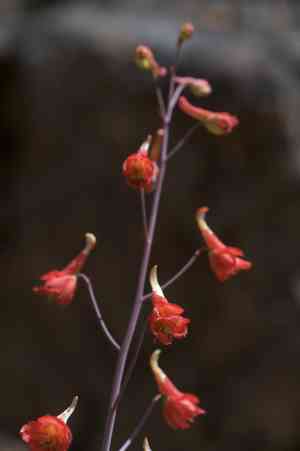
The ideal period for relocating red larkspur spans from early spring through its peak, providing consistent temperatures and favorable ground conditions. Select a site featuring soil that drains effectively and receives partial sunlight. Ensure the soil remains damp following the transplant to aid in its successful settling.
What Preparations are Needed Before Transplanting Red Larkspur?
What is the Ideal Time for Transplanting Red Larkspur?
Relocate red larkspur during the year's revitalization phase, typically from early spring's thaw through the favorable late season, to ensure vigorous development. Performing transplantation within this period leverages nature's awakening, providing optimal soil moisture and mild conditions, which are vital for the establishment of red larkspur's delicate root system, and benefiting from the natural growth cycle for an early advantage in development.
How Much Space Should You Leave Between Red Larkspur Plants?
Allow your red larkspur ample room to thrive! Aim for a separation of 12-18 inches (30-46 cm) between plants. This guarantees sufficient space for growth, good air circulation, and full appreciation of their beauty!
What is the Best Soil Mix for Red Larkspur Transplanting?
For your red larkspur, a fertile, well-draining soil is ideal. Before transplanting, enrich the planting area with a balanced, slow-release fertilizer to nourish the roots. A little care makes a big difference!
Where Should You Relocate Your Red Larkspur?
Your red larkspur thrives in sunlight, so let's find a bright spot! Select a location that receives at least 6 hours of direct sun daily. Partial shade is acceptable, but full sun will truly allow your red larkspur to flourish!
What Equipments Should You Prepare Before Transplantation Red Larkspur?
Gardening Gloves
To safeguard your hands while handling the red larkspur and working with the soil.
Shovel or Spade
To excavate around and beneath the red larkspur for removal and to dig the new planting hole.
Hand Trowel
For more precise tasks around the roots and in confined areas.
Watering Can or Hose
For hydrating the red larkspur before and after the transplant.
Root Pruning Shears
To trim any damaged or excessively long roots if necessary.
Wheelbarrow or Garden Cart
To move the red larkspur from its original spot to the new location.
Stakes and Soft Ties
To provide support for the red larkspur if needed after transplanting.
How Do You Remove Red Larkspur from the Soil?
How Do You Remove Red Larkspur from the Soil?
From Ground: Start by watering the red larkspur to dampen the soil. Carefully dig a circle around the plant with a shovel, leaving ample room to avoid cutting into the root ball. Gently work beneath the root ball with the shovel or hand trowel, lifting the plant with the attached soil clump.From Pot: Thoroughly water the soil in the container. Tilt the pot sideways and gently tap or press on the sides to loosen the soil. Slide the plant out, preserving the integrity of the soil and root system.From Seedling Tray: Moisten the soil in the tray. Use a hand trowel or your fingers to carefully lift the seedling by its base, ensuring a good amount of soil remains with the roots.
Step-by-Step Guide for Transplanting Red Larkspur
Prepare New Site
Dig a hole in the designated area that is twice as wide and the same depth as the red larkspur's root ball.
Root Inspection
Examine the red larkspur's root ball and trim any broken or dead roots using the shears.
Positioning
Place the red larkspur in the center of the new hole, gently spreading out its roots.
Soil Replacement
Backfill the hole with soil, ensuring the red larkspur is at the same depth it was previously growing. Firm the soil around the base without over-compacting it.
Support Installation
If the red larkspur is tall or susceptible to wind damage, insert stakes around the plant and secure it with soft ties.
Final Watering
Water the red larkspur generously immediately after transplanting to settle the soil and hydrate the roots.
Mulching
Apply a layer of mulch around the base to retain moisture and regulate soil temperature.
How Do You Care For Red Larkspur After Transplanting?
Observation
Regularly inspect the red larkspur for indications of transplant shock, which may appear as wilting or discolored foliage.
Support Adjustments
Monitor and adjust the stakes and ties as the red larkspur grows to prevent constriction and provide necessary plant support.
Regular Watering
Ensure the red larkspur receives approximately 1 inch of water per week, depending on weather conditions, to maintain consistent moisture.
Mulch Maintenance
Check and replenish the mulch layer to maintain consistent depth and coverage.
Gentle Feeding
Apply a balanced, slow-release fertilizer once the red larkspur shows signs of new growth and has acclimated to its new location.
Troubleshooting Common Issues with Red Larkspur Transplantation.
What's the best time to transplant red larkspur?
Relocate red larkspur during early to late spring when the soil is warm but not excessively hot for planting.
How can I tell if red larkspur is ready for transplant?
Ensure the roots have developed sufficiently but are not circling the pot, indicating it's time to move red larkspur to the garden.
Should I water red larkspur right after transplanting?
Absolutely! Water red larkspur thoroughly to settle the soil around the roots and aid recovery from transplant shock.
How far apart should I space red larkspur when transplanting?
Allow red larkspur ample room to thrive by spacing them 12-18 inches (30-45 cm) apart.
What kind of lighting does red larkspur require after transplanting?
Place red larkspur in a location where it receives abundant sunlight to ensure healthy growth post-transplant.
Why are my transplanted red larkspur wilting?
Wilting often signals transplant shock; keep the soil moist and shield red larkspur from strong winds and intense sun.
What soil conditions favor red larkspur transplanting success?
Transplant red larkspur into well-draining soil rich in organic matter for optimal results.
How deep should I plant red larkspur?
The transplant hole should match the depth of the root ball and be twice as wide, to encourage proper root development.
Can I add fertilizer when transplanting red larkspur?
It's advisable to avoid immediate fertilization; allow red larkspur to settle and use a balanced fertilizer once new growth appears.
How do I protect newly transplanted red larkspur from pests?
Keep a close watch for pests and take prompt, appropriate action using eco-friendly pest control methods.



