The Red larkspur Plant Advantage: Maximizing Home and Office Appeal and Wellness
1
Draws in beneficial insects like bees and butterflies to your outdoor space.
2
Improves the quality of the soil through the addition of organic material.
3
Lends vivid hues and visual charm to garden areas.
Why Incorporate Red Larkspur into Your Garden?
Visual Charm
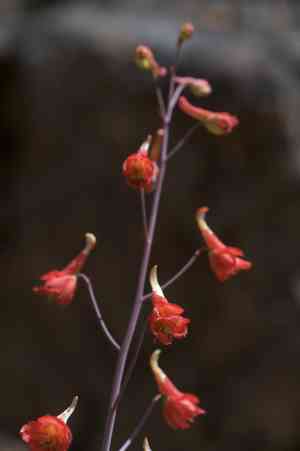
A primary reason to cultivate Red larkspur in your garden is its striking look. Its vivid red blossoms introduce a burst of color, enlivening any area. This colorful display can act as a focal point, drawing attention and creating a strong contrast with the green foliage of nearby plants.
Attracting Wildlife
Another key advantage of growing Red larkspur is its capacity to draw in pollinators. Bees, butterflies, and hummingbirds are naturally attracted to its bright flowers, ensuring your garden stays lively and vibrant. This aids in pollination and supports the local ecosystem by offering food sources for these vital creatures.
How Red Larkspur Can Enhance Your Gardenâs Vitality
Soil Quality Improvement
Beyond its beauty, Red larkspur contributes to soil health. As it matures, it adds organic matter to the soil, which can improve its structure and fertility. This organic material acts as a natural nutrient source for other plants, helping to sustain a thriving garden ecosystem.
Natural Pest Management
While attracting beneficial insects, Red larkspur also assists in controlling garden pests. The presence of pollinators often draws predatory insects that feed on pests, thereby lessening the need for chemical pesticides. This makes Red larkspur an environmentally friendly choice for maintaining a healthy, pest-free garden.
Optimal Placement for Red Larkspur's Benefits?
Best Planting Spots
To fully benefit from Red larkspur, proper placement is crucial. Select areas that receive full to partial sunlight, as this ensures the plants flourish and produce vibrant blooms. It's also best to plant Red larkspur in well-draining soil to prevent waterlogging and root decay.
Companion Plants
Red larkspur thrives alongside other garden plants with similar light and soil needs. Consider planting it with perennials and shrubs that complement its growth and flowers. This not only boosts your garden's visual appeal but also fosters a healthy plant community by sharing resources and providing mutual shade and support.
Tips for Red Larkspur Care and Upkeep
Watering and Fertilizing
Caring for Red larkspur is relatively simple. Consistent watering is vital, especially during dry spells, to keep the soil uniformly moist. However, avoid overwatering to prevent root rot. Additionally, feeding your plants with a balanced fertilizer can encourage robust growth and enhance flower production.
Pruning and Deadheading
Pruning and deadheading are essential for maintaining Red larkspur's appearance and health. Regularly removing faded flowers encourages new blooms and prevents the plant from expending energy on seed development. Pruning, particularly in late winter or early spring, also helps maintain the plant's form and promotes vigorous growth for the upcoming season.



