How to Prune Red larkspur?
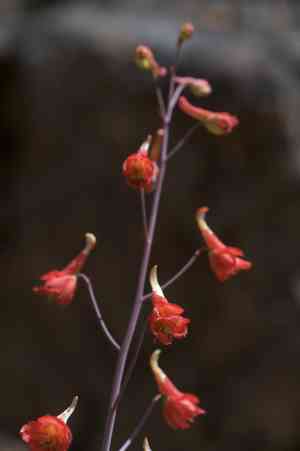
A towering, pointed perennial recognized for its vivid crimson blossoms, red larkspur flourishes with appropriate trimming. Following its blooming period, sever the flower stems to encourage a subsequent flowering. In the springtime, eliminate any deceased or compromised stalks to preserve the plant's well-being. Perform pruning in late spring and once more in mid-summer to sculpt and stimulate vigorous development. Consistent trimming additionally hinders seed dissemination, managing red larkspur's proliferation throughout your garden area.
Advantages of Trimming Red Larkspur
Advantages of Trimming Red Larkspur
Trimming red larkspur is crucial for fostering robust development and preserving its desired shape. Strategic cutting encourages new shoots, leading to a denser, stronger plant, and helps keep red larkspur within its designated garden area.
Optimal Time for Trimming Red Larkspur
Optimal Time for Trimming Red Larkspur
Late Spring and Early Summer are the best times for pruning or trimming red larkspur. In Late Spring, the frost risk has passed, minimizing cold damage to new growth after pruning. Early Summer pruning coincides with red larkspur's post-flowering stage. Deadheading, or removing spent blooms, may prompt red larkspur to produce a second flush of flowers while redirecting energy to root and foliage health. Pruning during these seasons allows for shaping the plant to improve air circulation, which is vital during red larkspur's active growth. This timing also prevents cutting off developing flower buds, which form during its growth cycle, ensuring a display of its characteristic blossoms the following season. Avoid late summer or fall pruning, as red larkspur needs time to harden off new growth before colder temperatures arrive.
Tools Required for Pruning Red Larkspur
Bypass Pruners
Bypass pruners are perfect for making clean cuts on red larkspur's green, living stems without crushing plant tissues. Their scissor-like action enables precise cuts essential for the plant's well-being.
Pruning Snips
For more delicate tasks like deadheading or shaping red larkspur, pruning snips are the ideal tool. They offer greater precision and are easier to maneuver in tight spots within the intricate foliage.
Gardening Gloves
Wearing gloves is essential to shield hands from potential skin irritants found in red larkspur and to ensure a secure grip on tools during pruning.
Pruning Saw
If red larkspur has matured and developed thicker woody stems, a pruning saw might be necessary for their effective removal without causing undue harm to the plant.
How to Prune Red Larkspur
Disinfect
Before beginning, sterilize pruning tools with a solution of one part bleach to nine parts water to prevent disease spread to red larkspur. Rinse and dry tools after disinfection.
Remove diseased leaves
Carefully inspect red larkspur for diseased leaves, identified by discoloration or unusual spots. Using sharp pruning shears, snip these leaves at their base, being careful not to harm nearby healthy tissue.
Remove withered leaves
Check red larkspur for leaves that have died or withered. Gently remove them by hand or with pruning shears, especially if they are still partially attached, to encourage healthy growth and airflow.
Cut diseased stems
Identify and remove red larkspur stems showing signs of disease, such as rot or mildew. Make cuts at a 45-degree angle just above a healthy leaf set or bud to promote new growth.
Cleanup
Properly dispose of all removed diseased leaves and stems, away from red larkspur, to minimize reinfection risk. Clear all plant debris from the surrounding area.
Common Pruning Errors with Red Larkspur
Over-pruning
Inexperienced gardeners may remove too much of red larkspur's foliage, which can stress the plant and reduce its vigor. Ensure to prune no more than one-third of the plant's total growth to maintain its health.
Improper cuts
Making uneven or jagged cuts can create wounds vulnerable to disease or pests. Use sharp, clean pruning tools to make clean cuts on red larkspur that heal quickly.
Removing healthy growth
While thinning red larkspur is important, removing too much healthy growth can diminish its blooming potential. Focus on dead or diseased stems when pruning.
Neglecting shape
Failing to consider red larkspur's natural shape can result in an unattractive appearance. Prune with the plant's natural form in mind to preserve its aesthetic appeal.
Pruning during active growth
Pruning red larkspur during its active growth phase can disrupt its development. Avoid pruning too close to budding or flowering periods, focusing instead on maintenance and health-improving cuts.
General Pruning Advice for Red Larkspur
Disinfect tools
Before pruning red larkspur, clean and disinfect pruning tools to prevent disease transmission. Cleanliness helps maintain plant health and avoids cross-contamination.
Prune for air circulation
Thin out red larkspur's center to enhance air circulation, reducing fungal disease risk. This supports healthy growth and can lead to more vigorous flowering.
Remove dead or diseased stems
Regularly eliminate dead, diseased, or weak stems from red larkspur to promote healthy growth and prevent problem spread. This also encourages more blooms and a tidier look.
Cut above growth nodes
When pruning red larkspur, always cut above a leaf node or bud to encourage new growth. Ensure the cut is at a 45-degree angle to prevent water accumulation and potential rot.
Support plant structure
While pruning red larkspur, create a supportive structure by staking if needed. This can prevent breakage and help the plant maintain its form, especially during the blooming season.



