How to Propagate Red larkspur?
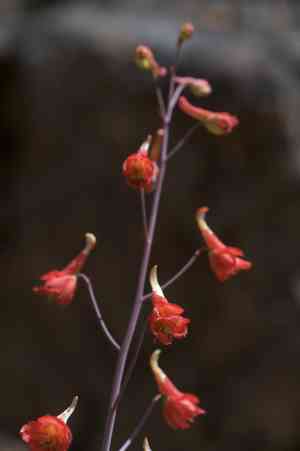
Red larkspur flourishes when reproduced via cuttings. For successful cultivation of new specimens, choose robust, non-blooming stalks in the latter part of spring or early summer. Employ a keen, sanitized blade to acquire cuttings approximately 4-6 inches in length, making sure multiple nodes are included. Submerge the severed tip in rooting compound and embed in a substrate that drains effectively. Maintain consistent moisture in the soil until root systems emerge, typically within a few weeks.
Optimal Time for Red Larkspur Propagation
Propagation Type
Cutting
Propagation Season
Spring,Summer
Tools for Red Larkspur Propagation
Sharp Pruning Shears
These are vital for making clean, precise cuts on red larkspur. Sharp blades ensure minimal damage to the parent plant and boost the chances of successful rooting. Proper cuts reduce infection risk and stress for both the cutting and the main plant.
Rooting Hormone Powder
This product encourages root development in red larkspur cuttings, improving their capacity to establish and grow into healthy new plants. The hormone aids in the formation of root tissues, crucial for successful propagation.
Sterile Potting Mix
A sterile potting mix is essential for rooting red larkspur cuttings to prevent disease and fungal attacks, which can severely hinder root growth. A light, airy mix ensures proper moisture retention and air circulation around new roots.
Propagation Trays
These trays help organize and manage multiple red larkspur cuttings in a controlled setting. They maintain consistent soil moisture and temperature, both critical for the rooting phase of cuttings.
Plastic Covers or Humidity Domes
To create an ideal microclimate for new red larkspur cuttings, plastic covers or humidity domes can be used. These covers maintain high humidity and protect delicate cuttings from external stressors, thereby improving rooting success.
Heat Mats
These mats gently warm the soil, encouraging better root growth and development in red larkspur cuttings. Consistent bottom heat is especially beneficial for temperature-sensitive propagation, accelerating the rooting process.
Propagating Red Larkspur: A Guide
Propagation Type
Easy
Post-Propagation Care for Red Larkspur
How to Care for Your Newly Propagated Red Larkspur?
Once rooted, gradually introduce new red larkspur plants to lower humidity by removing the plastic bag over a week. Transplant them to their permanent spot, ensuring rich, well-draining soil with full to partial sun. Regular watering and monthly feeding during the growing season will keep red larkspur thriving. Avoid wet winter soils to prevent root rot.
Common Errors to Avoid When Propagating Red Larkspur
Overwatering
Excessive moisture can cause root rot in red larkspur, diminishing the plant's ability to absorb nutrients and water effectively, which severely impedes growth and can lead to plant demise.
Deep planting
Sowing seeds too deep can hinder red larkspur germination by preventing sufficient light and air from reaching the seed, which are vital for initiating germination.
Using old seeds
Aged or improperly stored seeds may have reduced viability, resulting in poor or failed germination rates for red larkspur, thus wasting effort and resources.
Ignoring soil composition
Using a soil blend that drains poorly or isn't light enough can lead to inadequate root development and aeration, which red larkspur needs for successful growth.
Red Larkspur Propagation Tips
Use fresh seeds
Ensuring seeds are fresh increases the likelihood of successful germination for red larkspur, as seed viability diminishes with age.
Optimal soil mixture
Use a well-draining, loamy soil mixed with sand or perlite for red larkspur to promote good root health and drainage, which are essential for robust growth.
Surface sowing
Since red larkspur requires light for germination, seeds should be sown on the soil surface and lightly pressed into the soil, rather than covered.
Consistent moisture
While overwatering is detrimental, maintaining consistently moist (not wet) soil conditions helps red larkspur seeds germinate effectively. Use misting to keep the soil moist without oversaturating.



