How to Transplant Bulblet bladderfern?
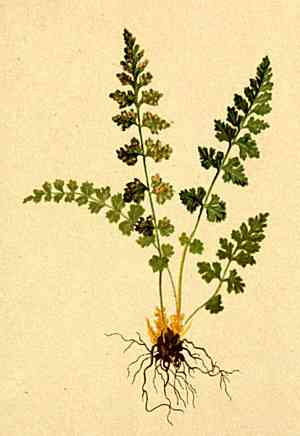
The most suitable period for relocating Cystopteris bulbifera is during the revitalizing phase of early to mid-spring, allowing for crucial rooting prior to the summer season. Look for damp, adequately drained locations with filtered sunlight, and handle the fragile leaves with care to prevent stress.
What Preparations are Needed Before Transplanting Bulblet Bladderfern?
What is the Ideal Time for Transplanting Bulblet Bladderfern?
The best time to move bulblet bladderfern is in early to mid-spring. This period offers mild temperatures and ample moisture, crucial for root establishment and recovery. Transplanting bulblet bladderfern then encourages strong growth and allows the plant to adapt before summer. A gentle reminder: when transplanting, ensure you are giving bulblet bladderfern the best chance to thrive by preparing the soil with ample organic matter and choosing a spot with the right light conditions. Your efforts during these ideal spring days can lead to a lush, healthy display of bulblet bladderfern in the growing season ahead.
How Much Space Should You Leave Between Bulblet Bladderfern Plants?
For bulblet bladderfern, keep about 1-2 feet (30-60 cm) between each plant. This provides enough room for growth and prevents competition for resources. As a novice gardener, be sure to use a measuring tape for accuracy!
What is the Best Soil Mix for Bulblet Bladderfern Transplanting?
Prepare the perfect soil for your bulblet bladderfern. Choose well-draining soil, enriched with a base fertilizer like aged compost or manure. Remember, healthy soil leads to healthier plants!
Where Should You Relocate Your Bulblet Bladderfern?
Sunlight is crucial for bulblet bladderfern! Select a location that receives partial to full sun daily. Observe the sun's path before transplanting. The ideal spot will offer sufficient light without scorching the leaves.
What Equipments Should You Prepare Before Transplantation Bulblet Bladderfern?
Gardening Gloves
To shield your hands while handling soil and extracting the plant from its original spot.
Spade
This tool will assist in digging around the bulblet bladderfern without harm and lifting it from its initial position.
Garden trowel
This is useful for excavating the transplanting hole, especially if the plant is relatively small.
Watering can
Needed for hydrating the plant before and after its relocation.
Compost
Adding compost to the new planting site will supply nutrients to the plant and boost its growth post-transplant.
Mulch
Used to cover the area around the newly planted bulblet bladderfern to help retain moisture and deter weeds.
Bucket or Wheelbarrow
Helpful for moving the plant and soil from one place to another.
How Do You Remove Bulblet Bladderfern from the Soil?
How Do You Remove Bulblet Bladderfern from the Soil?
From Ground: To extract bulblet bladderfern from the ground, first, water the plant to moisten the soil. This will facilitate easier removal. Now, using your spade, carefully dig a wide trench around the plant, ensuring the root ball stays intact. Gently work your spade beneath the root ball to carefully lift the plant.From Pot: To remove bulblet bladderfern from a container, start by watering the plant thoroughly. Invert the pot while supporting the plant with your other hand. Tap it gently, and the plant, with its root ball, will slide out.From Seedling Tray: To remove bulblet bladderfern from a seedling tray, gently hold the leaves and lift while pushing up on the bottom of the cell with your other hand. If the seedling doesn't come out easily, use a butter knife or a spoon to carefully pry it out.
Step-by-Step Guide for Transplanting Bulblet Bladderfern
Preparation
Prepare the site where you will transplant the bulblet bladderfern plant. This area should already have the ideal conditions for the plant to flourish. Dig a hole twice the width of the plant's root ball and one and a half times as deep. Incorporate compost at the bottom of the hole for extra nutrients.
Removal
Follow the plant removal process as described above, ensuring the root ball remains undamaged when lifted.
Transplanting
Place the plant into the hole. The top of the root ball should be level with the ground. Fill in around the plant with the remaining soil and compost, then gently firm the soil.
Watering
Water the plant thoroughly immediately after transplanting. This will help settle the soil around the roots and keep the plant hydrated.
Mulching
Apply a layer of mulch around the plant, but not touching the stem. This helps maintain soil moisture and prevent weed growth.
How Do You Care For Bulblet Bladderfern After Transplanting?
Watering
The newly transplanted bulblet bladderfern will need consistent watering, especially during the initial weeks after relocation. However, avoid excessive watering as this can lead to root rot.
Pruning
Remove any dead or dying fronds after transplantation. This allows the plant to direct its energy towards new growth. Always prune with a clean, sharp tool to prevent disease spread.
Monitoring
Watch for any signs of transplant stress, such as wilting, yellowing, or dropped fronds. If this occurs, check the soil's moisture level and adjust your care accordingly.
Troubleshooting Common Issues with Bulblet Bladderfern Transplantation.
When is the best time to transplant bulblet bladderfern?
The optimal season to transplant bulblet bladderfern is between S1 and S2, when the ground is workable and the weather conditions are appropriate.
What is the ideal spacing for bulblet bladderfern when transplanting?
To ensure appropriate growth, bulblet bladderfern should be planted about 1-2 feet (30-60 cm) apart. This spacing allows adequate room for the plants to spread.
How deep should I plant bulblet bladderfern during transplantation?
For bulblet bladderfern, the planting depth should be the same as their growing depth in their previous location. Covering the roots too much can hinder their growth.
What type of soil does bulblet bladderfern prefer during transplantation?
Bulblet bladderfern thrives best in moist, well-draining soil. Too much water can cause root rot, while too little can cause the plant to wither.
How should I water bulblet bladderfern after transplantation?
After transplantation, water bulblet bladderfern thoroughly, ensuring the soil is evenly moist but not waterlogged. Overwatering can cause root damage.
Can I transplant bulblet bladderfern in a pot?
Yes, you can. Ensure the pot is deep enough for bulblet bladderfern's roots and has sufficient drainage to prevent waterlogging.
How much sunlight does bulblet bladderfern require after transplantation?
Bulblet bladderfern does well in shaded to partially shaded areas. Too much sunlight can negatively affect its growth, causing the leaves to scorch.
How do I handle the bulbils during the transplantation of bulblet bladderfern?
During transplanting, handle the bulbils of bulblet bladderfern gently to prevent any damage. They can develop into new plants if planted correctly.
What are the signs of successful transplantation in bulblet bladderfern?
New foliage growth is a good sign that your bulblet bladderfern has successfully adapted to its new environment post-transplantation.
How do I prevent transplant shock in bulblet bladderfern?
To prevent transplant shock in bulblet bladderfern, avoid transplanting during extreme temperatures. Maintain consistent watering and provide adequate shade post-transplant.



