How to Prune Bulblet bladderfern?
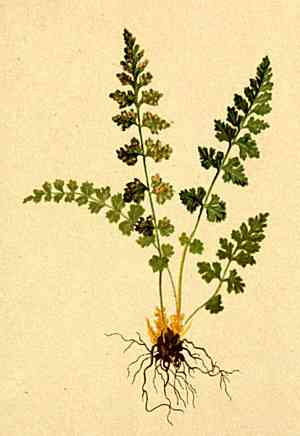
Recognized for generating bulblets, the bulblet bladderfern flourishes with limited trimming to eliminate aged or deceased fronds. This task is ideally carried out in spring prior to new development, or in summer if required. Trimming stimulates new fronds and sustains the plant's well-being. Refrain from severing healthy fronds, as this could hinder growth. Employ sanitized shears to avert the dissemination of pathogens.
Advantages of Trimming Bulblet Bladderfern
Advantages of Trimming Bulblet Bladderfern
Trimming bulblet bladderfern promotes robust development and helps maintain its desired shape. This action can revitalize the plant, ensuring vigor and a neat look in garden settings.
Optimal Time for Pruning Bulblet Bladderfern
Optimal Time for Pruning Bulblet Bladderfern
Pruning bulblet bladderfern in late spring to early summer coincides with the end of its dormant phase and just before its active growth begins. This timing allows for rapid recovery, directing energy towards new growth instead of supporting older, potentially damaged fronds. Pruning during this window also avoids disrupting the plant's natural cycle, which includes spore production and release from late summer to fall. By choosing late spring to early summer, gardeners ensure bulblet bladderfern has the necessary resources to flourish and reproduce successfully, maintaining both its health and ornamental appeal.
Required Tools for Pruning Bulblet Bladderfern
Fine-tipped Pruning Snips
Perfect for delicate tasks, fine-tipped pruning snips enable accurate cuts without harming the fronds of bulblet bladderfern. They are best for trimming small or dead fronds due to their sharpness and precision.
Hand Pruners (Bypass Pruner Type)
Suitable for cutting through thicker stems that may develop on an older bulblet bladderfern, hand pruners provide a clean cut without applying undue pressure on the plant's structure.
Gloves
While bulblet bladderfern is not typically thorny or abrasive, gloves are advised to shield the gardener's hands from potential irritants in the soil or accidental scrapes during the pruning process.
How to Prune Bulblet Bladderfern
Clean tools
Before beginning, ensure all pruning tools are clean and sharp to prevent disease spread and make precise cuts on bulblet bladderfern.
Inspect
Carefully examine bulblet bladderfern for diseased leaves, withered leaves, and diseased stems that require removal.
Sanitize
Sanitize hands and tools before and after pruning each individual bulblet bladderfern to minimize cross-contamination.
Trim diseased leaves
Carefully remove diseased leaves by cutting at their base where they attach to the stem without harming nearby healthy tissue.
Remove withered leaves
Trim withered leaves at the stem's base to help bulblet bladderfern conserve energy and direct it towards new growth.
Common Pruning Errors with Bulblet Bladderfern
Overpruning
Removing too much of bulblet bladderfern's foliage can stress the plant, impeding its ability to photosynthesize effectively and reducing its overall vitality.
Rough cuts
Making jagged or torn cuts can damage bulblet bladderfern's delicate fronds and create entry points for pests or diseases.
Pruning healthy fronds
Cutting away healthy fronds unnecessarily can limit bulblet bladderfern's growth capacity and negatively impact its visual appeal.
Ignoring bulbils
Failing to notice and preserve the bulbils (small bulbs on the fronds) during pruning can lead to the loss of potential new plants that these reproductive structures can produce.
Using unclean tools
Pruning with dirty or contaminated tools can introduce pathogens to bulblet bladderfern, potentially leading to infections and disease.
General Pruning Advice for Bulblet Bladderfern
Sharp tools
Utilize sharp, clean pruning shears or scissors to make precise cuts, which promote rapid healing and minimize injury to bulblet bladderfern.
Prune damaged fronds
Focus pruning efforts on removing dead or damaged fronds to maintain the health and appearance of bulblet bladderfern, as this helps prevent disease and allows resources to go to healthier growth.
Cut at base
When removing fronds, make cuts close to bulblet bladderfern's base to encourage a neat growth habit and deter rot at the cutting site.
Handle bulbils carefully
When pruning fronds with bulbils, handle them gently to avoid dislodging these reproductive structures if propagation is desired.
Provide support
After pruning, ensure that bulblet bladderfern has adequate support if it is a climbing variety, as cutbacks might affect its stability and ability to cling.



