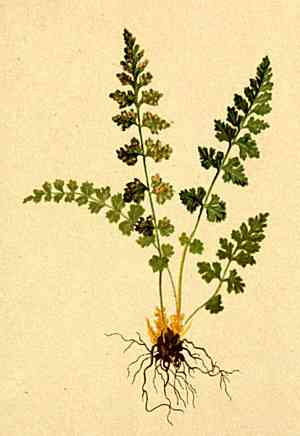
Bulblet bladderfern (Cystopteris bulbifera)
Also known as: Bulblet fern
The Bulblet bladderfern (*Cystopteris bulbifera*), a low-growing rock fern native to eastern North America, has a unique reproductive strategy. In the spring, it emerges with red fiddleheads that later unfurl and become green. Unlike most ferns that reproduce through spores, this species primarily propagates via tiny bulbils that form at the base of its fronds. This vegetative reproduction method sets it apart from the more common spore-based reproduction seen in other ferns.
In This Article
Attributes of Bulblet bladderfern
Lifespan
Perennial
Plant Type
Herb
Plant Height
75 cm
Spread
60 cm
Leaf Color
Green
Flower Size
Not applicable
Flower Color
Not applicable
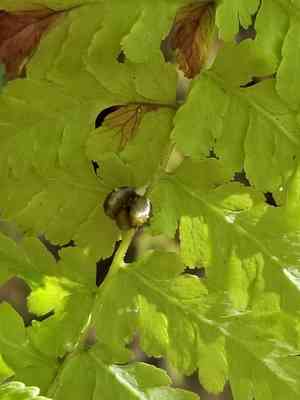
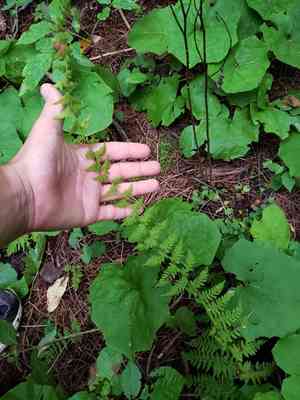
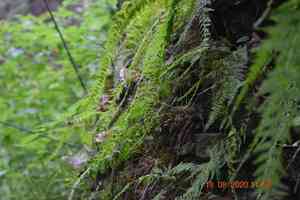
Images of Bulblet bladderfern
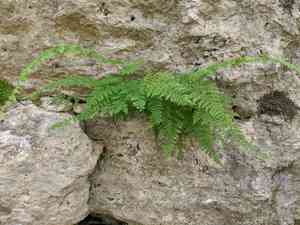
Quickly Identify Bulblet bladderfern
1
Compound fronds with small bulbils under leaves.
2
Lateral veins extend towards leaf sinuses.
3
Leaflets are lanceolate with serrated margins.
4
Subleaflets bear sori and may form green bulblets.
5
Fronds up to 2 feet (60 cm), widest at base.
Scientific Classification of Bulblet bladderfern
Phylum
Vascular plants
Class
Ferns
Order
Polypodiales
Family
Cystopteridaceae
Genus
Bladderferns
Species
Bulblet bladderfern
Planting and Growing of Bulblet bladderfern
Care Difficulty
Easy
Watering Schedule
Every 2 days
Sunlight Requirements
Partial sun
Sunshine Duration
4-8 hours
Ideal Temperature
60-70℉
Soil Type
Potting Mix, Peat Mix
Soil pH
6.5-7.5
Fertilizer Type
Balanced
Pruning Season
Spring, Summer
Pruning Area
Branches, Leaves
Pruning Frequency
2 times a year
Repotting Season
Spring
Pot Type
Plastic, Ceramic
 How to Water Bulblet bladderfern?
Cystopteris bulbifera requires moderate watering. Generally, 250 milliliters each session is suitable. The soil should be moist but not waterlogged. The key is maintaining soil that feels slightly damp to the touch, ensuring the roots have consistent moisture without drowning them.
What are the symptoms of an underwatered Bulblet bladderfern?
›
What should I do if my Bulblet bladderfern is not getting enough water?
›
What are the symptoms of an overwatered Bulblet bladderfern?
›
How to save an overwatered Bulblet bladderfern?
›
 What Are the Sunlight Requirements for Bulblet bladderfern?
Prefers partial sunlight to full shade, where filtered light boosts photosynthesis without overwhelming the plant, thus promoting lush foliage and healthy growth.
More About Sunlight Requirements Techniques→
What is the best lighting setup?
›
How to achieve ideal light conditions?
›
What are the benefits of ideal light conditions?
›
 What Is the Ideal Temperature Range for Bulblet bladderfern?
Cystopteris bulbifera thrives best in temperatures ranging from 60°F to 70°F. This temperature range ensures optimal growth and health. It provides the ideal environment for cellular functions and metabolic activities crucial to the fern's development. Maintaining this range helps prevent temperature-induced stress, allowing the plant to focus on growth and reproduction.
 What Soil is Best for Bulblet bladderfern?
Cystopteris bulbifera thrives in well-drained soil, which prevents the roots from becoming waterlogged. This is crucial as it helps the plant avoid root rot and other moisture-related diseases, ensuring it remains healthy and vigorous. The plant requires soil that retains moderate moisture without being overly wet. This helps maintain optimal hydration levels, facilitating the absorption of nutrients while supporting the plant's lush and vibrant growth. A soil rich in organic matter provides essential nutrients for Cystopteris bulbifera, promoting robust growth and enhancing its resilience against pests and diseases.
 How to Fertilize Bulblet bladderfern?
When applying fertilizer to Cystopteris bulbifera, it's vital to use a balanced, all-purpose formula. Typically, a quarter to a half strength of the recommended dilution rate is sufficient, as this plant is not a heavy feeder. Over-fertilizing can lead to root burn and other issues.
 How to Prune Bulblet bladderfern?
Be mindful not to over-prune Cystopteris bulbifera, as removing too many fronds can stress the plant and inhibit its growth. This fern relies on its fronds for photosynthesis, so maintaining enough healthy fronds for nutrient production is crucial. After pruning, water the fern appropriately and ensure it is situated in a location with suitable light and humidity. This helps the plant recover quickly. Monitor the fern post-pruning for any signs of stress or disease, adjusting care as necessary.
More About Pruning Techniques→
 How to Propagate Bulblet bladderfern plant?
1
Choose a mature and healthy Cystopteris bulbifera plant that has a robust root system and plenty of foliage. This will ensure that the divisions are strong and likely to survive post-transplant.
2
Before division, prepare the new planting site by ensuring it has suitable soil conditions and adequate moisture. Amending the soil with organic matter can benefit new divisions.
3
Gently lift the fern from the ground using a garden spade, then use a sharp knife or shears to divide the clump into sections, each with at least a few fronds and roots attached.
 How to Repot Bulblet bladderfern plant?
1
Look for visible signs such as roots emerging from the drainage holes or water sitting on the surface too long. These signals indicate that Cystopteris bulbifera has outgrown its pot, and repotting is necessary. Distorted or slow growth is also a telltale sign.
2
Choose a pot slightly larger than the current one with adequate drainage holes to prevent waterlogging. A terracotta pot is ideal as it allows breathability and offers a stable environment for root growth. Ensure it is clean to avoid any disease transmission.
3
Opt for a soil mix that is well-draining yet retains some moisture, ideally rich in organic matter to provide necessary nutrients. A balanced pH will encourage healthy root development, providing the plant with optimal growing conditions.



