How to Propagate Bulblet bladderfern?
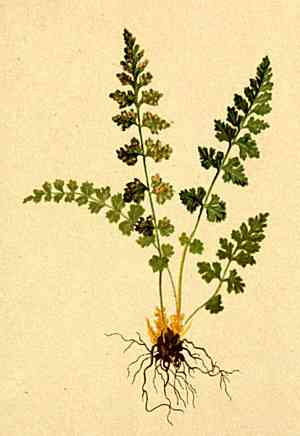
Cystopteris bulbifera is efficiently reproduced using the small bulblets that emerge on its leaves. Once these bulblets reach maturity and separate, they can be placed in a damp, adequately draining medium to foster development. Sustaining a consistent environment with diffused illumination and steady hydration is crucial for nurturing the formation of fresh roots and stems. The plant's hardiness and average pace of growth render this technique very effective and straightforward for cultivators aiming to enlarge their assortment of this distinctive fern.
Optimal Period for Bulblet Bladderfern Propagation
Propagation Method
Sowing
Propagation Season
Spring
Essential Tools for Bulblet Bladderfern Propagation
Fine Mist Spray Bottle
Perfect for maintaining crucial moisture levels during the germination phase of bulblet bladderfern. By delivering a gentle, consistent mist, this tool ensures spores remain undisturbed, while sustaining a humid environment without excessive watering, vital for spore germination.
Sterile Soil Mix and Shallow Propagation Tray
These items are fundamental for successfully sowing bulblet bladderfern. A shallow propagation tray accommodates the modest root depth typically needed for ferns, while sterile soil mix prevents fungal and bacterial growth, which could otherwise harm delicate spores and young plants.
Spore Sowing Sieve
Used for uniformly distributing the extremely fine spores of bulblet bladderfern across the soil surface. This tool guarantees an even spread, which is critical for achieving a consistent germination rate throughout the growing medium. The sieve's fine mesh is particularly effective for handling the minute size of fern spores.
How to Propagate Bulblet Bladderfern?
Propagation Difficulty
Easy
Post-Propagation Care for Your Bulblet Bladderfern
Post-Propagation Care for Your Bulblet Bladderfern
Once the bulblets begin to sprout and develop their own roots and fronds, gradually introduce them to less humid conditions by slightly opening the cover daily over a week. Continue to provide indirect light and maintain consistent soil moisture. Transplant them to their permanent growing spot when they are sufficiently robust, ensuring ample room for growth. Regularly inspect for pests or diseases and address any issues promptly to maintain plant health.
Common Errors to Avoid When Propagating Bulblet Bladderfern
Overwatering
Excessive moisture can lead to root rot in bulblet bladderfern, which thrives in well-drained soil. Overwatering can deprive roots of oxygen, hindering growth and weakening the plant.
Insufficient light
While bulblet bladderfern prefers shaded environments, inadequate light can impede its development. Too little light may result in elongated plants with weak structures.
Using mature fronds
Attempting to propagate bulblet bladderfern from mature fronds instead of bulbils is a frequent error. Mature fronds generally do not propagate effectively, often leading to unsuccessful propagation attempts.
Advice for Propagating Bulblet Bladderfern
Bulbil propagation
Utilizing bulbils for propagation is most effective for bulblet bladderfern. Once the bulbils form on the fronds, they can be planted in suitable soil to grow into new plants.
Humidity and moisture control
Bulblet bladderfern requires a balanced level of humidity and moisture. Ensure the environment is humid and the soil remains consistently moist but not waterlogged to support root development.
Shaded growth location
Select a shaded or semi-shaded location for growing bulblet bladderfern. This mimics their natural habitat, promoting healthier growth and development.



