How Much Sunlight Do Bulblet bladderfern Need?
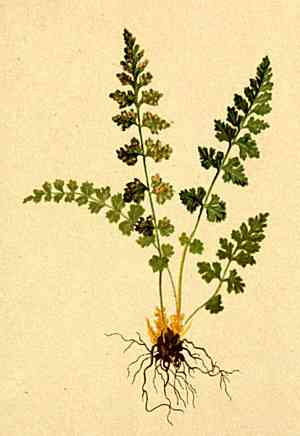
1
Bulblet bladderfern thrives in indirect light, ideally receiving 3-6 hours of sun daily.
2
It is adaptable to complete shade, offering flexibility for various spots within your residence.
3
Excessive direct sun exposure may lead to scorching of the fern's fragile leaves.
Optimal Illumination for Bulblet Bladderfern
Understanding Light Requirements
The Bulblet bladderfern flourishes in settings where it receives partial illumination. This implies it performs best with approximately 3-6 hours of daily sunlight. Nevertheless, it is adaptable and can endure full shade, making it ideal for less brightly lit areas of your home. Knowing this, you can position your fern in spots with varying natural light, without concern for precise light levels.
Light Types: Direct vs. Diffused
Direct sunlight occurs when solar rays directly strike the plant, whereas indirect sunlight means the plant receives bright, but not direct, illumination. For the Bulblet bladderfern, diffused light is optimal. Direct sun can be overly harsh and cause the fernâs fronds to scorch. Instead, place your fern in filtered light or an area that gets bright yet softened sunlight for superior development.
Insights from Natural Habitat
Understanding the Bulblet bladderfernâs native environment aids in providing superior care. It naturally grows in shaded, wooded regions where it receives dappled sunlight. Replicating these conditions at home will ensure your fern prospers. Aim to provide similar filtered light, moisture, and nutrient-rich soil.
Ensuring Adequate Illumination
Prime Home Placements
Selecting the correct location for your Bulblet bladderfern is crucial. Ideal spots include rooms with east or north-facing windows that offer gentle, indirect sunlight. Avoid positioning your fern near south or west-facing windows, as these can expose it to harsh afternoon sun, which is too intense for its delicate foliage.
Utilizing Supplemental Lighting
If natural light is insufficient, particularly during winter, artificial lighting is an excellent substitute. Employ fluorescent or LED grow lights to ensure your Bulblet bladderfern receives the necessary light. Position the lights about 30-60 cm (12-24 inches) above the fern and keep them on for approximately 12-14 hours daily, mimicking natural light duration.
Indicators of Light Imbalance
Monitoring your Bulblet bladderfern for signs of light stress is vital. Excessive light can lead to scorched fronds with brown tips, while insufficient light results in slow growth and pale or yellowing fronds. Adjust the plantâs placement or introduce artificial lighting as needed to rectify these issues.
Seasonal Light Adjustments for Bulblet Bladderfern
Adapting Light Across Seasons
Seasonal shifts can impact the amount of sunlight your Bulblet bladderfern receives. During summer, the sun is more potent and potentially damaging, while in winter, light is weaker. Adjust its position or provide supplementary artificial lighting during darker months to maintain a consistent lighting schedule.
Winter Care Advice
In winter, sunlight can be limited due to shorter days. Enhance the light availability for your Bulblet bladderfern with artificial lights or by moving it closer to a natural light source. Be wary of cold drafts from windows, as ferns prefer a stable environment without extreme temperature fluctuations.
Managing Summer Sun
During the summer, sunlight intensity increases. Itâs important to shield your Bulblet bladderfern from direct afternoon sun, which can cause burns. Using sheer curtains to filter the light or placing the fern in a spot that receives only morning sun can help manage this.
Common Errors in Light Provision
Excessive Exposure
Overexposure to sunlight is a frequent error. The delicate fronds of the Bulblet bladderfern can easily get scorched, leading to brown and brittle leaf tips. Always ensure the plant is not in direct sunlight for extended periods.
Inadequate Illumination
Although the Bulblet bladderfern can endure low light conditions, insufficient light over time can cause pale leaves and stunted development. Ensure your fern receives enough indirect light by repositioning it or using artificial lighting if necessary.
Frequent Relocation
Plants can experience stress from too much change. Regularly moving your Bulblet bladderfern can lead to shock, evidenced by dropping fronds or slowed growth. Itâs best to find a suitable spot and leave it there, allowing it to adapt and flourish.
FAQs on Bulblet Bladderfern Light Needs
Can Bulblet Bladderfern Withstand Low Light?
Yes, the Bulblet bladderfern can tolerate low light conditions, but it thrives best in environments with partial sunlightâapproximately 3-6 hours daily. Low light may slow its growth, but it will generally remain healthy.
Is Morning or Afternoon Sun Preferable?
Morning sun is better for the Bulblet bladderfern. The light is less intense and provides gentle warmth without risk of burning. Afternoon sun, especially direct, can be too harsh and should be avoided.
How to Determine Sufficient Light?
The best indicators of proper lighting are vibrant, green fronds and consistent growth. If you observe yellowing or pale fronds and slow growth, your fern might not be getting enough light. Conversely, brown tips and scorched leaves indicate excessive sunlight.



