How to Transplant Slender flatsedge?
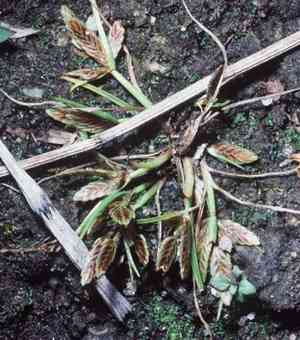
The ideal period for moving slender flatsedge is from the end of spring through mid-summer, which encourages strong development. Select locations that receive ample sunlight and have soil that drains effectively. During the relocation process, take care to disturb the roots as little as possible to ensure healthy growth.
What Preparations are Needed Before Transplanting Slender Flatsedge?
What is the Ideal Time for Transplanting Slender Flatsedge?
For optimal success with slender flatsedge, the prime period for relocation spans from the pleasant warmth of late spring to the vibrant peak of mid-summer. This timeframe offers ideal conditions for slender flatsedge to establish itself: the ground is warm, promoting root development, and extended daylight hours support photosynthesis. Carefully moving slender flatsedge during this window ensures it has the entire growing season ahead, providing a strong start. Introducing slender flatsedge to your garden at this point will result in a lively and lush display, showcasing the true benefit of timely transplantation.
How Much Space Should You Leave Between Slender Flatsedge Plants?
When preparing to place your slender flatsedge in their new location, allow ample room for growth! Position them approximately 6-8 inches (15-20 cm) apart. This personal space is perfect for enabling them to develop robustly without feeling constrained.
What is the Best Soil Mix for Slender Flatsedge Transplanting?
For your slender flatsedge, a comfortable bed of well-draining soil, abundant in organic material, will work wonders. Prior to planting, enrich the soil with a balanced, slow-release fertilizer to give them a healthy beginning. They will appreciate the nutritional boost!
Where Should You Relocate Your Slender Flatsedge?
Your slender flatsedge thrives in sunlight, much like you enjoy a bright day at the beach! Select a location where they will receive ample light but also some partial shade. A spot that gets sun for most of the day, possibly with some filtered afternoon shade, is perfect.
What Equipments Should You Prepare Before Transplantation Slender Flatsedge?
Gardening Gloves
To safeguard your hands while handling soil and plants.
Shovel or Spade
For excavating the plant and preparing a hole for its new placement.
Watering Can or Hose
To hydrate the plant before and after its relocation.
Garden Trowel
For detailed work around the root system and minor adjustments in the new planting site.
Pruning Shears
To remove any damaged roots or foliage if necessary.
Wheelbarrow or Plant Tray
To transport the plant and soil without causing harm.
Measuring Tape
To ensure correct spacing when transplanting multiple plants.
How Do You Remove Slender Flatsedge from the Soil?
How Do You Remove Slender Flatsedge from the Soil?
From Ground: First, moisten the slender flatsedge to ensure the soil is damp, which helps minimize root damage. Then, using a shovel or spade, dig a wide circle around the plant to avoid severing roots. Gently lift the plant from the ground, preserving as much of the root system as possible.From Pot: Thoroughly water the slender flatsedge before beginning. Incline the pot and gently tap its base to loosen the roots' hold. Slowly ease the plant out by supporting the stem's base, being careful not to pull too hard and harm the plant.From Seedling Tray: Gently push the slender flatsedge up from the cell's bottom or use a tool like a dibber to assist in lifting the plant out. Handle the seedling by its leaves rather than the delicate stem to prevent injury.
Step-by-Step Guide for Transplanting Slender Flatsedge
Preparation
Gather all necessary tools and thoroughly water the slender flatsedge prior to beginning the removal process.
Excavate Existing Location
Carefully extract the slender flatsedge from its current spot, preserving the root ball's integrity for a successful transplant.
Dig Hole
At the new site, excavate a hole twice as wide and equally deep as the slender flatsedge's root ball.
Placement
Position the slender flatsedge gently in the hole, ensuring it sits at the same depth as it was previously. The transition should be as seamless as possible for the plant.
Fill In
Backfill the hole softly with soil, supporting the plant to remain upright. Lightly pat the soil to eliminate air pockets without excessive compaction.
Water Thoroughly
Immediately after transplanting, deeply water the slender flatsedge to help settle the soil around the root ball and encourage recovery from transplant shock.
Support Structure
If required, add a stake or support structure for stability, especially in windy areas. Avoid tying too tightly to prevent stem damage.
Mulch
Apply a layer of mulch around the base of the slender flatsedge to help retain moisture and regulate soil temperature, keeping a slight distance from the stem to prevent rot.
How Do You Care For Slender Flatsedge After Transplanting?
Monitoring
Observe the slender flatsedge for indications of stress, such as wilting leaves, and adjust care practices as necessary.
Watering
Ensure the soil surrounding the slender flatsedge does not completely dry out, providing consistent moisture during the initial establishment phase.
Mulching
Maintain the mulch layer to keep the roots of the slender flatsedge protected from extreme temperatures.
Stabilizing
Regularly check stakes or supports to ensure they are secure and not harming the slender flatsedge.
Pruning
Remove any dead or damaged foliage to encourage the slender flatsedge to direct energy into new growth and root establishment.
Troubleshooting Common Issues with Slender Flatsedge Transplantation.
Why is my slender flatsedge not thriving after transplant?
Ensure it's transplanted during the optimal season, which is late spring to mid-summer, and that the soil remains consistently moist without being waterlogged. Check for adequate sunlight and protect against pests and diseases.
What is the best spacing for slender flatsedge when transplanting?
Aim for a generous spread of about 6-8 inches (15-20 cm) between each plant. This allows room for growth while maintaining a lush appearance.
How deep should I plant slender flatsedge when transplanting?
The root ball should be placed just below the soil surface. Ensure the top of the root ball is level with the ground to encourage proper growth.
Can slender flatsedge be transplanted in full sun?
Yes, slender flatsedge tolerates full sun but also appreciates partial shade. Balance the sunlight exposure to prevent stress, especially immediately after transplanting.
How much water does slender flatsedge need after transplanting?
Water thoroughly right after transplanting, and keep the soil evenly moist but not soggy. Adequate water is crucial for the first few weeks post-transplant.
Should I mulch around slender flatsedge after transplanting?
Yes, a layer of organic mulch can help retain soil moisture, regulate soil temperature, and reduce weed competition. Apply a 2-3 inch (5-7.5 cm) layer carefully.
Is it necessary to fertilize slender flatsedge after transplanting?
A light application of balanced fertilizer can help slender flatsedge establish. However, avoid over-fertilizing which can lead to poor root development and foliage problems.
Why are the leaves of my slender flatsedge turning yellow after transplant?
Yellowing can be due to over-watering, under-watering, or nutrient deficiency. Check soil moisture levels and consider a soil test to tailor your care approach.
How do I protect slender flatsedge from transplant shock?
Minimize root disturbance during transplanting, water adequately, and if necessary, shade the plant for a few days to help it adjust to the new site.
What soil type is best for transplanting slender flatsedge?
Use well-draining soil rich in organic matter to provide slender flatsedge with the ideal growing conditions. Sandy loam or loamy soil works well for drainage and nutrient retention.



