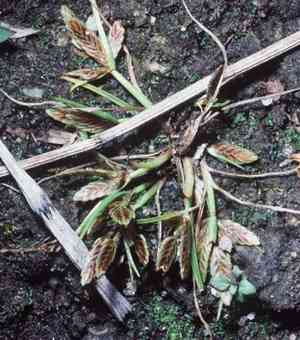
Slender flatsedge (Cyperus bipartitus)
Also known as: Shoreline Flatsedge
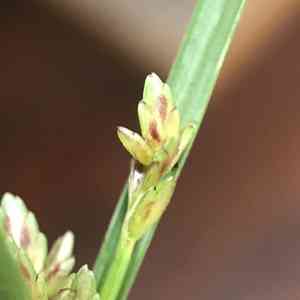
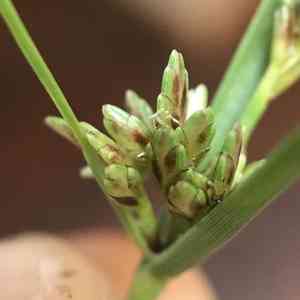
The slender flatsedge, typically found in wetlands, is most notable for its distinctive seeds. This small annual plant produces deep crimson, scale-like seeds that detach individually from the flower clusters, leaving a bare stalk behind.
In This Article
Attributes of Slender flatsedge
Lifespan
Annual
Plant Type
Grass
Plant Height
2.5 cm to 25 cm
Spread
30 cm to 1.2 m
Leaf Color
Green
Flower Size
Small, around 1-3 mm
Flower Color
Yellow Green Red Brown
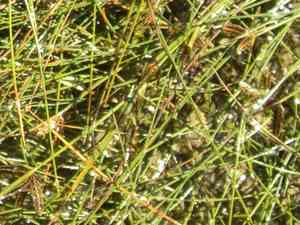
Images of Slender flatsedge
Quickly Identify Slender flatsedge
1
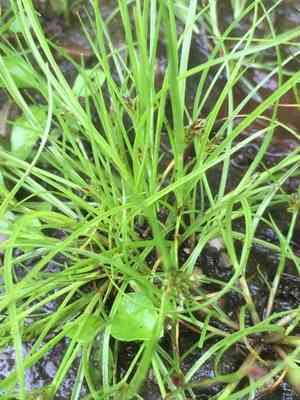
Identifiable by its triangular stems, its leaves are concentrated at the base, and it has inflorescences consisting of a cluster of small spikelets.
Scientific Classification of Slender flatsedge
Phylum
Vascular plants
Class
Monocotyledons
Order
Poales
Family
Sedge
Genus
Nutgrasses
Species
Slender flatsedge
Planting and Growing of Slender flatsedge
Care Difficulty
Easy
Watering Schedule
Every 4 days
Sunlight Requirements
Partial sun
Sunshine Duration
4-8 hours
Ideal Temperature
68-77℉
Soil Type
Potting Mix, Peat Mix
Soil pH
6.5-7.5
Fertilizer Type
Balanced
Pruning Season
Spring, Summer
Pruning Area
Branches, Leaves
Pruning Frequency
2 times a year
Repotting Season
Spring
Pot Type
Plastic, Ceramic
 How to Water Slender flatsedge?
Cyperus bipartitus prefers consistently moist soil. When watering, aim to keep the topsoil moist without making it soggy. 150 ml of water is typically sufficient to keep the soil adequately moist, ensuring the plant remains healthy and vibrant.
What are the symptoms of an underwatered Slender flatsedge?
›
What should I do if my Slender flatsedge is not getting enough water?
›
What are the symptoms of an overwatered Slender flatsedge?
›
How to save an overwatered Slender flatsedge?
›
 What Are the Sunlight Requirements for Slender flatsedge?
Partial sun is ideal, with 4 to 6 hours of filtered or indirect sunlight, supporting balanced photosynthesis and strong stem formation while avoiding light-induced stress.
More About Sunlight Requirements Techniques→
What is the ideal lighting environment for Cyperus bipartitus?
›
How can you achieve this ideal lighting condition?
›
What are the benefits of achieving the ideal lighting condition for Cyperus bipartitus?
›
 What Is the Ideal Temperature Range for Slender flatsedge?
The ideal temperature range for Cyperus bipartitus is between 68°F and 77°F. This range allows for optimal growth and metabolic processes, providing the plant with the right conditions to thrive. Within this range, the plant can fully utilize nutrients and maintain healthy cellular functions.
 What Soil is Best for Slender flatsedge?
Cyperus bipartitus thrives in well-draining soil, which prevents waterlogging. Well-aerated soil allows the roots to breathe, reducing the risk of root rot. This is essential for healthy growth and emerald green foliage. The plant benefits from a substrate rich in organic matter. This enhances soil fertility, ensuring robust plant development by supplying necessary nutrients like nitrogen, phosphorus, and potassium. Though well-draining, the soil should also retain moderate moisture. This provides a consistent water supply, critical during dry spells, ensuring that the plant remains hydrated without stress.
 How to Fertilize Slender flatsedge?
Cyperus bipartitus does not require heavy fertilization. Using a diluted liquid fertilizer at half the recommended strength provides sufficient nutrients without overwhelming the plant's system. Applying around 10-20ml per plant is advisable.
 How to Prune Slender flatsedge?
Avoid heavy pruning during winter as Cyperus bipartitus is less active. Too much cutting can stress the plant. Always leave more than half the plant intact to ensure healthy regrowth. Be cautious around the root zone of Cyperus bipartitus, as it can disturb growth. Minimize soil disturbance and avoid pruning parts too close to the crown.
More About Pruning Techniques→
 How to Propagate Slender flatsedge plant?
1
Select a well-draining soil mix suitable for sedge plants. Ensure the pH level is neutral to slightly acidic to provide optimal growing conditions for Cyperus bipartitus.
2
Evenly distribute the seeds over the prepared soil in the seed tray. Press them lightly into the soil without burying them too deep, allowing enough light for germination.
3
To propagate through division, choose a mature plant, dig it up gently, and separate the root clusters carefully, ensuring each section has roots.
 How to Repot Slender flatsedge plant?
1
Repot Cyperus bipartitus when its roots start peeking through the drainage holes or the plant appears stunted despite adequate care. The best signal is when the plant becomes root-bound, meaning the roots have filled the pot, limiting growth. This ensures the plant has adequate space to expand and access fresh nutrients.
2
Select a pot that is one size larger than its current home. Ensure it has enough drainage holes to prevent waterlogging—a common issue that leads to root rot. The new pot allows for root growth, enabling the plant to thrive and absorb nutrients effectively. Terracotta pots are particularly good for their porous nature, which helps in airflow to the roots.
3
Opt for a well-draining potting mix that retains some moisture but does not become soggy. A combination of peat, perlite, and sand can work wonders for Cyperus bipartitus, ensuring they remain moist yet well-ventilated. The appropriate soil prevents water from stagnating, reducing the risk of fungal infections and root rot.
Learn More About Slender flatsedge Diseases
Anthracnose
Bacterial Leaf Spot
Bacterial Soft Rot
Chemical Injury
Damping-off
Downy Mildew
Drought Stress
Fusarium Wilt
Gray Mold
Leaf Spot
Mosaic
Nutrient Deficiency
Nutrient Toxicity
Powdery Mildew
Root Rot
Root-knot Nematode
Rusts
Sooty Mold
Spider Mites
Temperature Stress
Thrips Damage
White Mold



