How Much Sunlight Do Slender flatsedge Need?
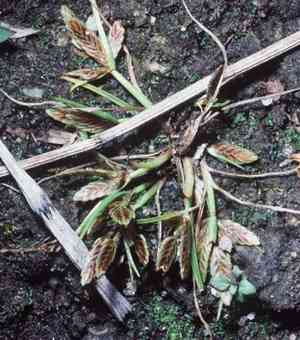
1
Slender flatsedge flourishes optimally in direct sunlight, requiring a minimum of 6 hours of daily sun exposure.
2
The plant can endure some shade, though its development might be less robust.
3
Insufficient light exposure may result in diminished growth and duller leaves.
Grasping Slender flatsedge Light Needs
Slender flatsedge's Native Environment
The Slender flatsedge originates from marshy areas, frequently found along riverbanks, ponds, and lakes. These habitats provide ample sunlight throughout the day, making the Slender flatsedge accustomed to full sun exposure. It flourishes in locations where it can absorb six to eight hours of direct sunlight daily. Understanding its natural setting aids gardeners in replicating similar conditions in their own spaces.
Sunlight's Importance for Slender flatsedge
Sunlight is crucial for the Slender flatsedge for several reasons. Primarily, it is vital for photosynthesis, allowing the plant to convert light into energy. Sufficient sunlight also impacts other physiological processes such as growth rate, bloom production, and overall plant health. Inadequate sunlight can result in a weaker structure, slower development, and less vibrant leaf colors, ultimately affecting the plantâs overall vigor.
Optimal Light Conditions for Slender flatsedge
Direct vs. Diffused Sunlight
While Slender flatsedge prefers direct sunlight, it can still cope in partial sun conditions. Direct sunlight means the plant receives unfiltered light directly from the sky for most of the day, which promotes robust growth and vivid foliage. Indirect sunlight, conversely, is light that has been scattered or reflected. Although the plant can endure indirect light, its growth and overall health may not be as good as when it's in direct sunlight.
Daily Sunlight Duration Required
Slender flatsedge thrives when it gets at least six hours of direct sunlight each day. Under ideal circumstances, it can flourish with six to eight hours of sunlight daily. For gardeners in overcast or shaded environments, ensuring the plant receives the maximum possible sunlight is essential for maintaining healthy growth.
How to Provide Adequate Sunlight for Slender flatsedge
Best Placement in Your Garden
Position Slender flatsedge in a section of your garden that receives full sun exposure. Optimal spots include south or southwest-facing areas where the plant can absorb the most sunlight. If growing indoors, place the plant near south-facing windows where it can get the highest amount of natural light.
Utilizing Supplemental Lighting
In settings where natural sunlight is insufficient, consider employing artificial grow lights to meet the plantâs light requirements. Full-spectrum LED grow lights can mimic natural sunlight, keeping your Slender flatsedge healthy and flourishing. Ensure the lights are positioned approximately 12-18 inches (30-45 cm) above the plant for optimal light distribution.
Seasonal Adjustments Needed
During colder months or periods of reduced natural sunlight, monitor the light levels Slender flatsedge receives. You might need to move the plant or increase artificial light exposure to compensate for diminished sunlight. Additionally, pruning any overhead foliage that might block sunlight can help maintain sufficient light levels throughout the year.
Indicators of Proper Sunlight Exposure
Signs of Healthy Development
When Slender flatsedge receives the correct amount of sunlight, you'll observe vigorous growth, a strong stem structure, and vibrant green leaves. The plant will produce more blooms and display a generally robust appearance, indicating it's thriving in its environment.
Potential Light-related Problems
Excessive sunlight, especially intense afternoon sun, can cause scorching or sunburn on the leaves, leading to brown spots or edges. Conversely, insufficient sunlight can result in slow growth, leggy stems, and pale foliage. Observing these signs will help you adjust the plantâs light conditions as necessary.
Addressing Sunlight Issues in Slender flatsedge
Identifying and Correcting Light Deficiency
Sunlight deficiency in Slender flatsedge can be recognized by stunted growth, pale or yellowing leaves, and a general lack of vigor. To remedy this, gradually expose the plant to more direct sunlight, or move it to a brighter location. If natural light is limited, supplement with artificial lighting.
Managing Excessive Sunlight
Too much sunlight can cause leaf burn and wilting in Slender flatsedge. To handle this, provide some shade during the hottest parts of the day, either by relocating the plant to a slightly shadier spot or using shade cloths to diffuse the intense sunlight. Regularly check the soil moisture, as excessive sunlight can increase evaporation rates and lead to dehydration.



