The Slender flatsedge Plant Advantage: Maximizing Home and Office Appeal and Wellness
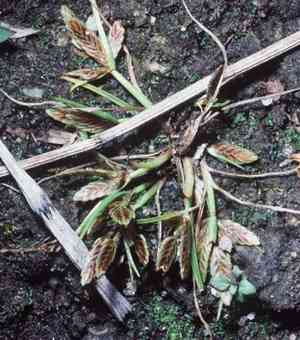
1
Slender flatsedge aids in enhancing soil quality through erosion prevention.
2
Perfect for aquatic environments, Slender flatsedge sustains water purity by filtering contaminants.
3
Beneficial for wildlife habitat recovery initiatives, Slender flatsedge promotes ecological diversity.
What Are the Environmental Benefits of Slender flatsedge?
Enhancing Soil Health
Slender flatsedge plays a crucial role in maintaining and improving soil quality. Unlike other plants that might lead to soil degradation, Slender flatsedge helps prevent erosion. Its extensive root system stabilizes the ground, reducing the chance of erosion during heavy rain or floods. This not only preserves your landscape's integrity but also fosters healthier soil for other plants to flourish.
Water Quality Improvement
Slender flatsedge is highly effective at preserving water quality, especially in wetland regions. Its roots function as natural filters, capturing pollutants and excess nutrients that could otherwise enter water bodies. By doing so, Slender flatsedge helps maintain a cleaner, more balanced aquatic environment, which is vital for both human use and wildlife habitats.
How Does Slender flatsedge Support Biodiversity?
Habitat for Wildlife
A key benefit of Slender flatsedge is its capacity to provide a home for various wildlife species. This plant offers shelter and breeding grounds for numerous insects, birds, and small mammals. Integrating Slender flatsedge into restoration projects can thus boost local biodiversity, creating a thriving ecosystem that benefits both plants and animals.
Food Source
Slender flatsedge also serves as a valuable food source for many wildlife species. Its seeds are particularly favored by certain bird species, ensuring a consistent food chain within the ecosystem. By supplying a reliable food source, Slender flatsedge aids in sustaining a balanced and flourishing wildlife population.
Why Is Slender flatsedge Ideal for Wetland Restoration?
Adaptability to Wet Conditions
Slender flatsedge is naturally suited to wet conditions, making it an excellent choice for wetland restoration initiatives. Its ability to grow in saturated soils where other plants might struggle makes Slender flatsedge a robust and dependable option for such environments. Furthermore, its presence in wetlands enhances the overall function and health of these vital ecosystems.
Erosion Control in Wetlands
Slender flatsedge provides significant erosion control advantages in wetland areas. Its intricate root systems interlock with soil particles, effectively holding the soil in place even under challenging conditions. This characteristic is particularly important for preserving the structure and integrity of wetland habitats, preventing land degradation over time.
Can Slender flatsedge Be Used in Landscaping?
Aesthetic Appeal
Beyond its environmental benefits, Slender flatsedge also offers visual appeal for landscaping purposes. Its slender, grass-like appearance can add a touch of natural beauty to gardens, ponds, and other green spaces. Its unique form and texture make it an attractive addition to both formal and informal garden designs.
Low Maintenance Requirements
One of the practical advantages of incorporating Slender flatsedge into your landscape is its minimal maintenance needs. Once established, it requires little care, making it a cost-effective choice for gardeners and landscapers seeking to reduce upkeep without sacrificing beauty or functionality.
What Role Does Slender flatsedge Play in Climate Resilience?
Carbon Sequestration
Slender flatsedge contributes to climate resilience by assisting in carbon sequestration. Plants absorb carbon dioxide during photosynthesis, and Slender flatsedge is no exception. By integrating Slender flatsedge into various environments, we can enhance the carbon capture capabilities of these areas, contributing to efforts against climate change.
Resilience to Extreme Weather
Moreover, Slender flatsedge demonstrates resilience to extreme weather conditions, including floods and droughts. Its ability to thrive under various environmental stresses makes it a valuable plant for boosting the resilience of ecosystems, ensuring they can withstand and recover from adverse weather events more effectively.



