How to Prune Slender flatsedge?
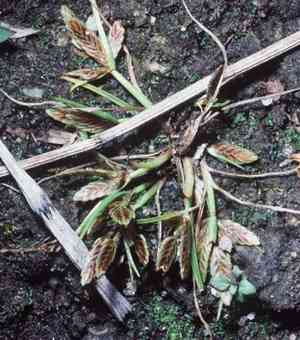
This perennial sedge, characterized by its clump-forming nature, needs very little trimming to preserve its form and stimulate fresh development. Remove any withered or discolored foliage from the base to neaten the plant and ensure adequate light and air circulation for emerging shoots. The ideal period for pruning is during its vigorous growth phasesâfrom Spring to Autumn. Consistently eliminating faded flower stems can deter unwanted self-propagation and foster denser foliage. This maintenance regimen contributes to the plant's vitality and visual charm within a garden environment.
What Are the Benefits of Pruning Slender Flatsedge?
What Are the Benefits of Pruning Slender Flatsedge?
Trimming slender flatsedge promotes robust development and maintains a desired form. It helps revitalize the plant while allowing light and air to reach inner leaves, reducing disease risk.
What Is the Best Time for Pruning Slender Flatsedge?
What Is the Best Time for Pruning Slender Flatsedge?
Trimming slender flatsedge in Spring allows gardeners to remove winter damage and shape the plant as it enters its most active growth phase, fostering a healthier and more attractive structure. Summer trimming is good for maintaining slender flatsedge's shape as it grows, and can be especially useful for managing excess or unwanted growth. Fall trimming is ideal for slender flatsedge as it prepares the plant for winter dormancy, removing dead or diseased foliage that could harbor pests or illness, and ensuring the plant's energy is directed towards healthy growth. It's important to avoid pruning during wet seasons as this can increase slender flatsedge's susceptibility to fungal infections.
What Tools Do I Need to Prune Slender Flatsedge?
Hand Pruners
These are suitable for cutting delicate green shoots or thin stems of slender flatsedge. A clean, sharp pair can precisely snip away unwanted or overgrown parts without causing undue stress to the plant.
Long-handled Shears
For reaching into denser clumps of slender flatsedge where shorter pruners cannot easily access. They allow for trimming at ground level or shaping the plant without extensively bending over.
How to Prune Slender Flatsedge
Clean tools
Before beginning the trimming process, clean and sanitize all pruning tools to prevent the spread of disease. This step is crucial for maintaining the health of slender flatsedge.
Inspect
Carefully examine slender flatsedge to locate withered leaves that need to be removed. It is important to identify all dead or dying foliage to ensure effective pruning.
Cut withered leaves
Using sharp and clean pruning shears, snip off the withered leaves at their base where they join the stem. Make clean cuts without tearing to prevent unnecessary damage to slender flatsedge.
Disposal of debris
Remove and dispose of all pruned material away from slender flatsedge to discourage pests and disease. Proper disposal of plant debris is crucial to maintaining a healthy plant environment.
Water carefully
After pruning, water slender flatsedge carefully to support recovery, avoiding over-watering which can lead to further stress on the plant.
Common Pruning Mistakes with Slender Flatsedge
Over-pruning
Removing too much foliage at once can stress slender flatsedge, weakening the plant and making it more susceptible to disease.
Improper cutting technique
Tearing or making jagged cuts on slender flatsedge's stems can harm the plant, leading to disease and poor growth.
Using dirty tools
Pruning with unclean tools can introduce pathogens to slender flatsedge, increasing the risk of infections.
Pruning healthy tissue unnecessarily
Cutting away healthy growth without reason can diminish slender flatsedge's vitality and aesthetic appeal.
Ignoring dead or diseased tissue
Failure to remove dead or diseased tissue can inhibit slender flatsedge's growth and spread disease to healthy parts.
Common Pruning Tips for Slender Flatsedge
Sterilize cutting tools
Always use sterilized pruning shears or scissors to prevent the spread of disease to slender flatsedge.
Cut at the base
When removing old growth or spent flower stalks, make cuts close to the base of slender flatsedge to prevent stubs that can attract pests or disease.
Prune selectively
Carefully select which stems to remove, focusing on thinning out crowded areas to improve air circulation for slender flatsedge.
Maintain plant shape
Trim slender flatsedge to encourage a desirable shape, cutting back overextended shoots that detract from the overall form.
Monitor plant health
Regularly inspect slender flatsedge for signs of disease or pests before and after pruning to address any issues promptly.



