How to Transplant Bermuda grass?
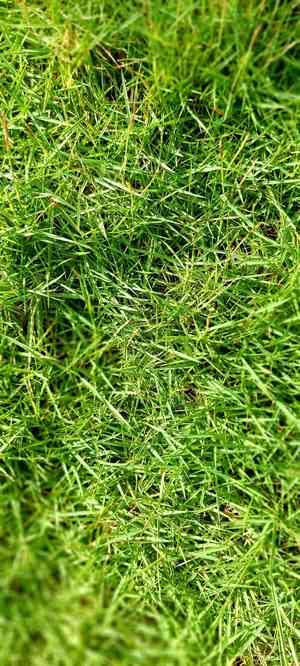
The ideal period for relocating bermuda grass is in mid-spring, ensuring abundant light and heat for peak development. Select sites with good drainage and complete sun exposure. If necessary, prepare the new location in advance by aerating the earth to facilitate rooting.
What Preparations are Needed Before Transplanting Bermuda Grass?
What is the Ideal Time for Transplanting Bermuda Grass?
The optimal period to re-establish bermuda grass is during mid-spring. This season promotes bermuda grass's development due to beneficial warmth and moisture, ensuring dense coverage. Selecting this prime moment maximizes plant vitality and results in a revitalized green landscape.
How Much Space Should You Leave Between Bermuda Grass Plants?
For bermuda grass, it's best to allow ample room for expansion and growth. Aim to position them approximately 6-12 inches (15-30 cm) apart when relocating. This provides sufficient space for them to flourish!
What is the Best Soil Mix for Bermuda Grass Transplanting?
Prior to relocating bermuda grass, prepare the soil with a well-draining, loamy or sandy mixture. Incorporating some compost and a slow-release granular fertilizer will supply the necessary nutrients for a robust beginning.
Where Should You Relocate Your Bermuda Grass?
When choosing a site for bermuda grass, ensure it receives abundant sunlight. A location with 6-8 hours of direct sun daily is perfect. This will aid in their lush and healthy development!
What Equipments Should You Prepare Before Transplantation Bermuda Grass?
Gardening Gloves
To safeguard your hands from abrasive materials and dirt when handling the plant.
Shovel or Spade
Crucial for excavating the bermuda grass from its original spot, as well as preparing the new planting hole.
Garden Trowel
Useful for smaller, more precise digging tasks and for separating grass runners.
Watering Can or Hose
Necessary for hydrating the grass before and after relocation.
Wheelbarrow
To transport the grass and soil without causing undue harm.
Lawn Rake
To uniformly distribute the grass for a neat appearance post-transplant.
How Do You Remove Bermuda Grass from the Soil?
How Do You Remove Bermuda Grass from the Soil?
From Ground: Begin by thoroughly watering the bermuda grass plant to moisten the soil for easier digging. Using a shovel or spade, dig around the perimeter of the clump to cut a complete section of the grass. Avoid digging too deeply to minimize root damage. Lift the grass with extreme care to keep it as intact as possible.From Pot: If the bermuda grass is in a container, saturate it with water until it's well-soaked. Invert the pot and tap it to loosen the soil and the plant. Gently slide the bermuda grass out, ensuring no root damage. If the roots appear tangled, carefully untangle them with your fingers.From Seedling Tray: For bermuda grass in a seedling tray, ensure it's adequately watered. Push from the base of each individual cell to release the seedlings. Remember to handle them by their leaves to prevent any harm.
Step-by-Step Guide for Transplanting Bermuda Grass
Digging the Hole
Excavate a hole in the new location that is roughly twice the size of the bermuda grass chunk's root ball. It should be deep enough for the bermuda grass to sit at the same level as it was in its initial spot.
Preparing the Plant
If you have unearthed a large section of bermuda grass, it can be divided into smaller pieces to cover a broader area. To do this, use your hand and firmly pull the clump apart.
Placing the Plant
Position the bermuda grass pieces in the hole. Ensure the roots are spread out, aiding faster establishment in its new location.
Backfilling the Hole
Refill the hole with the original soil. Press down firmly to eliminate any air pockets, but be careful not to compact the soil too tightly.
Watering
Thoroughly water the bermuda grass immediately after planting. The soil will likely settle after watering, so you might need to add more soil.
How Do You Care For Bermuda Grass After Transplanting?
Mowing
Start regular mowing of the bermuda grass once it has established and reached the desired height. Consistent mowing promotes lateral growth, densifying the turf.
Foot Traffic
Try to minimize foot traffic on the newly relocated bermuda grass for the initial 3-4 weeks while it is becoming established.
Watering
Water the bermuda grass frequently for the first few weeks after relocation. Once established, it can tolerate lower water levels. However, remember it is crucial not to over-water or under-water.
Troubleshooting Common Issues with Bermuda Grass Transplantation.
When is the perfect time to transplant bermuda grass?
Mid-spring is an ideal time! This season offers an optimal environment for bermuda grass to establish and grow vigorously.
How far apart should I place the bermuda grass plugs?
To ensure healthy growth, space your bermuda grass plugs 6-12 inches (15-30 cm) apart. This provides them with room to spread and thrive.
Why is my recently transplanted bermuda grass turning brown?
Bermuda grass can turn brown due to transplant stress. Ensure consistent watering, and your bermuda grass should recover soon!
How long should I water my transplanted bermuda grass?
Provide ample water initially but avoid waterlogging. Water until the soil is moist, about 1 inch (2.5 cm) deep. Adjust based on weather conditions.
Why isnât my transplanted bermuda grass spreading properly?
If your bermuda grass isn't spreading, it might require more sunlight or less competition from weeds. Regular watering and fertilizing will also assist.
How often should I water the bermuda grass after transplantation?
During the first week after relocating, water your bermuda grass daily. Afterward, 1-2 times a week should suffice under normal circumstances.
When will the transplanted bermuda grass start spreading?
Typically, bermuda grass begins spreading 2-3 weeks post-relocation. However, remember it might take longer depending on the local climate and soil conditions.
Should I fertilize my bermuda grass immediately after transplanting?
Wait for one to two weeks after relocation before fertilizing your bermuda grass. Over-fertilizing can cause root damage.
Do I need to trim my bermuda grass after transplantation?
Avoid trimming newly relocated bermuda grass unless it's exceptionally tall. Freshly cut edges lose moisture faster, causing unnecessary stress.
How do I know if my transplanted bermuda grass is healthy?
Healthy bermuda grass will exhibit a vibrant green color and should begin spreading within a few weeks. If you observe consistent growth, your bermuda grass is thriving!



