How to Prune Bermuda grass?
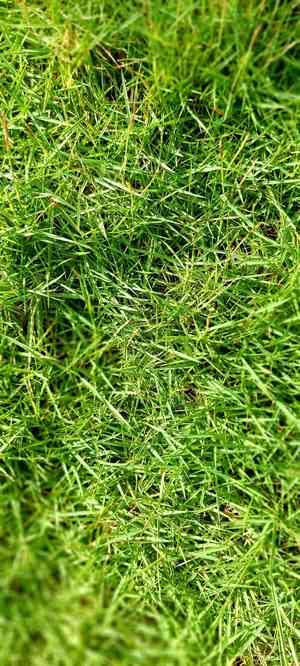
This enduring grass, recognized for its thick, carpet-like expansion and durability, flourishes in hotter regions. Effective trimming for bermuda grass entails consistent cutting to a stature of 1-1.5 inches to preserve turf thickness and vigor. Trimming should take place from the beginning of spring until late autumn, coinciding with the plant's vigorous development phase. Advantages encompass fostering denser growth and deterring weed encroachment. Refrain from cutting too short and verify that mower blades are keen to avert harm and illness.
What Are the Benefits of Pruning Bermuda Grass?
What Are the Benefits of Pruning Bermuda Grass?
Trimming bermuda grass promotes strong development by eliminating dead or crowded stems, improving air circulation, and increasing sunlight exposure. Cutting also maintains the desired form and density, supporting a well-kept look and optimizing health.
What Is the Best Time for Pruning Bermuda Grass?
What Is the Best Time for Pruning Bermuda Grass?
These periods are considered ideal as they coincide with bermuda grass's active growth phase. Pruning in early spring encourages healthy growth as bermuda grass emerges from dormancy and maximizes its potential for density and green coverage throughout summer. Trimming in late fall helps maintain shape and remove any unhealthy areas before winter dormancy, without reducing the plant's vigor. Avoiding winter pruning ensures bermuda grass isn't weakened during its dormant stage, which would otherwise make it vulnerable to cold weather damage and disease.
What Tools Do I Need to Prune Bermuda Grass?
Manual Lawn Mower
Perfect for uniformly cutting bermuda grass, which encourages healthy regrowth and maintains the lawn's appearance. The mower blades can be set to the recommended cutting height for bermuda grass, typically 1 to 1.5 inches.
String Trimmer
Useful for edging and trimming bermuda grass in hard-to-reach spots with a mower, such as along fences, around trees, and near garden beds.
Garden Shears
Hand shears are suitable for clipping and shaping bermuda grass around specific garden features or when precise trimming is needed. They offer greater control for detailed tasks.
Grass Clippers
Handheld grass clippers are practical for quick touch-ups and for pruning bermuda grass in small areas where lawn mowers and string trimmers are impractical.
Dethatching Rake
Crucial for removing thatch, a layer of dead organic material that can accumulate and hinder bermuda grass growth. Regular dethatching supports healthy lawn upkeep.
Lawn Scarifier
A manual or powered scarifier can be used to aerate the soil and remove thatch, promoting better water and nutrient absorption for bermuda grass roots.
Verticutter
This power tool is specifically designed to cut into the soil and help manage bermuda grass runners that might be encroaching on garden beds or other unwanted areas.
Powered Lawn Edger
For creating crisp lines around the edges of a bermuda grass lawn, a powered edger is more efficient and accurate than manual tools.
How to Prune Bermuda Grass
Step1: Health Assessment and Runner Identification
Evaluate the bermuda grass's overall condition and pinpoint overgrown runners, patches that appear to be dying, and any yellow leaves requiring trimming.
Step2: Equipment Sharpening and Cleaning
Ensure your mowing equipment is sharp and clean to achieve a precise cut and prevent disease spread.
Step3: Routine Height Mowing for Growth
Mow bermuda grass to a height of 1-1.5 inches during active growth in the warm season; this regular mowing will trim overgrown runners and promote denser turf.
Step4: Dying Patch Removal and Aeration
Identify and remove dying patches of bermuda grass using a rake or de-thatcher to enhance air circulation and light penetration to the soil.
Step5: Yellow Leaf Pruning and Disease Management
Prune yellow leaves by mowing, as yellowing in bermuda grass often signals nitrogen deficiency or disease. Adjust your lawn care to address the root cause.
Step6: Post-Pruning Hydration
After trimming overgrown areas and removing dead or yellow leaves, water bermuda grass thoroughly to lessen stress on the grass and aid its recovery.
Step7: Fertilization for Rejuvenation
Apply a balanced fertilizer to revitalize bermuda grass and support healthy growth after pruning.
Step8: Ongoing Lawn Monitoring and Maintenance
Monitor bermuda grass regularly and repeat the pruning process as needed to maintain a compact, healthy lawn.
Post-Pruning Care for Bermuda Grass
Post-Pruning Care for Bermuda Grass
Immediately after pruning bermuda grass, watering is vital; irrigate gently to aid recovery. Optimize light, maintaining full sun exposure while moderating midday intensity in hot climates. Balance humidity and temperature by providing adequate aeration without drafts. Fertilize with a balanced nutrient formula to encourage robust regrowth, reducing nitrogen to avoid excessive top growth. Regularly inspect for discoloration or wilt, indicating stress or disease. Early intervention with appropriate fungicides or pest control measures is essential if symptoms arise.
Common Pruning Mistakes with Bermuda Grass
Scalping Grass by Overcutting
A common error is cutting bermuda grass too short, known as 'scalping', which can weaken the grass and lead to pest infestations and diseases.
Using Dull Blades for Pruning
Another mistake is using dull blades during pruning, which tears the grass instead of providing a clean cut. This can stress the bermuda grass and hinder its recovery.
Inconsistent Pruning Frequency
Pruning bermuda grass with inconsistent frequency can also be harmful, as it may lead to thatch buildup or prevent the grass from developing a strong root system.
Common Pruning Tips for Bermuda Grass
Use Sharp Blades for Clean Cuts
Ensure that the mower blades are sharp to give bermuda grass a clean cut, which helps maintain healthy grass and a neat appearance.
Cut Only One-Third of Grass Blade
When pruning bermuda grass, remove only about one-third of the grass blade length at a time to avoid stressing the plant and to encourage denser, more vigorous growth.
Prefer Reel Mower for Precise Cut
For bermuda grass, use a reel mower if possible, as it offers a precise cut and is generally better for the health of the grass compared to a rotary mower.



