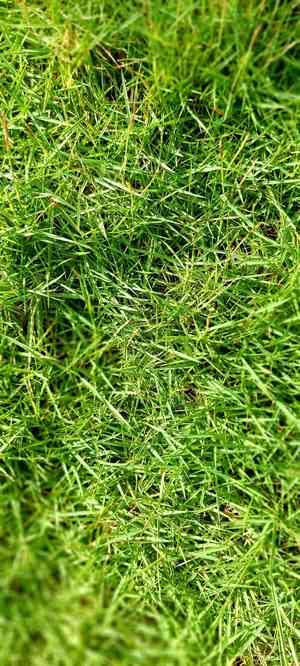
Bermuda grass (Cynodon dactylon)
Also known as: Couch grass, Devil's grass
Bermuda grass is a versatile plant found globally, known for its various applications. It is widely used in temperate regions for residential and commercial lawns, providing a durable and attractive turf. Additionally, it serves as valuable forage for livestock, offering nutritious grazing pasture. Bermuda grass is also a preferred choice for sports fields, including golf courses and soccer pitches, due to its resilience and quick recovery from heavy use. However, its rapid growth has led to it being considered invasive in some areas. In India, Bermuda grass holds a special place in Ayurvedic medicine, where it is utilized for its medicinal properties.
In This Article
Attributes of Bermuda grass
Lifespan
Perennial
Plant Type
Grass
Plant Height
15 cm to 50 cm
Spread
8 cm to 15 cm
Leaf Color
Green Gray Silver
Flower Size
0.3 to 0.5 cm
Flower Color
Purple
Images of Bermuda grass
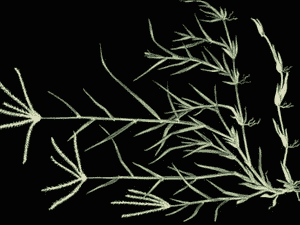
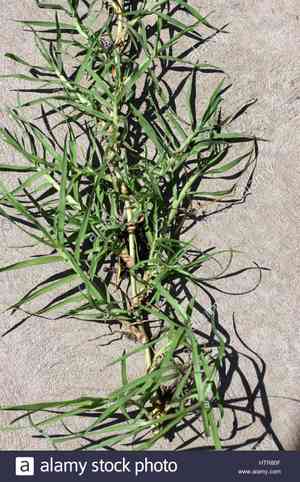
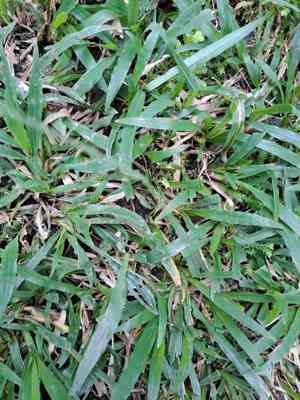
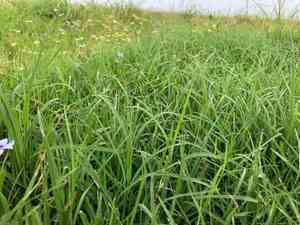
Quickly Identify Bermuda grass
1
Cynodon dactylon can be identified by its dense mats of thick runners and rhizomes. Its leaves are narrow and typically grey-green, with an erect growth habit. The seed heads have 3-7 slender spikes resembling a star.
Scientific Classification of Bermuda grass
Phylum
Vascular plants
Class
Monocotyledons
Order
Grasses, sedges and allies
Family
Grass
Genus
Bermuda grass
Species
Bermuda grass
Planting and Growing of Bermuda grass
Care Difficulty
Easy
Watering Schedule
Every 4 days
Sunlight Requirements
Full sun
Sunshine Duration
6-10 hours
Ideal Temperature
68-86℉
Soil Type
Potting Mix, Peat Mix
Soil pH
5.5-8
Fertilizer Type
Balanced
Pruning Season
Spring, Summer
Pruning Area
Branches, Leaves
Pruning Frequency
2 times a year
Repotting Season
Spring
Pot Type
Plastic, Ceramic
 How to Water Bermuda grass?
Cynodon dactylon, commonly known as Bermuda grass, thrives with deep, infrequent watering. Each session should aim for approximately 250 ml per square meter. Ensure water reaches 4-6 inches deep for optimal root nourishment.
What are the symptoms of an underwatered Bermuda grass?
›
What should I do if my Bermuda grass is not getting enough water?
›
What are the symptoms of an overwatered Bermuda grass?
›
How to save an overwatered Bermuda grass?
›
 What Are the Sunlight Requirements for Bermuda grass?
Cynodon dactylon's ideal lighting conditions range from full sun to partial shade, maximizing photosynthesis and encouraging vigorous growth with rich, dense foliage development.
More About Sunlight Requirements Techniques→
Essential Sunlight
›
Sunlight Optimization
›
Benefits of Ideal Light
›
 What Is the Ideal Temperature Range for Bermuda grass?
Cynodon dactylon thrives best in warm climates. Ideally, the temperature should range between 68°F and 86°F. This range facilitates optimal growth and ensures that the plant maintains its vibrant green color and overall health. It is particularly important during the active growing season to keep within this temperature range.
 What Soil is Best for Bermuda grass?
Cynodon dactylon thrives best in well-draining soil, which allows excess water to drain away quickly, preventing root rot and promoting healthy root development. This soil condition ensures the plant receives adequate air circulation at the roots and can absorb essential nutrients effectively. This plant prefers soil with moderate fertility, meaning it should have a balanced amount of organic nutrients. This helps in maintaining healthy growth without the risk of over-fertilization, which can lead to lush but weak grass blades. Cynodon dactylon is quite adaptable to a range of soil pH levels, from slightly acidic to slightly alkaline. This tolerance allows it to grow in various soil types without necessarily requiring precise pH adjustments.
More About Soil→
 How to Fertilize Bermuda grass?
When it comes to fertilizing Cynodon dactylon, commonly known as Bermuda grass, moderation is key. For granular fertilizers, apply about 1 pound of nitrogen per 1,000 square feet. For liquid fertilizers, follow the instructions on the packaging, typically diluting the product in water and applying every two weeks during the growing season.
More About Fertilizing Techniques→
 How to Prune Bermuda grass?
Begin by setting your mower to the recommended height for Cynodon dactylon. Mow regularly, removing no more than one-third of the grass height at a time to promote healthy root growth. Use edge trimmers to clean up any overhanging growth along pathways or borders. After mowing, use an edger or handheld shears to tidy up the border areas. Regular edging helps create a neat and tidy look and prevents the grass from overtaking nearby plant beds or pathways.
More About Pruning Techniques→
 How to Propagate Bermuda grass plant?
1
To collect seeds, wait until the seed heads turn brown. Gently remove them and place in a paper bag to dry. Once dried, shake the bag to release the seeds, which should then be stored in a cool, dry place until planting.
2
For successful propagation, use a well-draining soil mix. Amend the soil with organic matter to enhance its structure and nutrient content, ensuring optimal conditions for the seeds and cuttings to develop robust root systems.
3
Plant seeds or cuttings flat on the soil surface, lightly cover them, and water gently. Ensure the soil remains moist but not soggy, which helps maintain the right moisture level critical for germination and root anchorage.
 How to Repot Bermuda grass plant?
1
Cynodon dactylon should be repotted when growth slows, roots protrude from drainage holes, or soil compacts excessively. These signals indicate that your plant needs more room or fresh soil to thrive.
2
Select a pot that is 1-2 inches larger in diameter than the current one. This prevents over-watering and ensures the plant has room to grow, promoting healthy root expansion and better nutrient absorption.
3
Opt for a light, well-draining potting mix with good aeration. This type of soil prevents waterlogging, which can lead to root rot, and provides the Cynodon dactylon with the necessary airflow for healthy root development.



