The Bermuda grass Plant Advantage: Maximizing Home and Office Appeal and Wellness
1
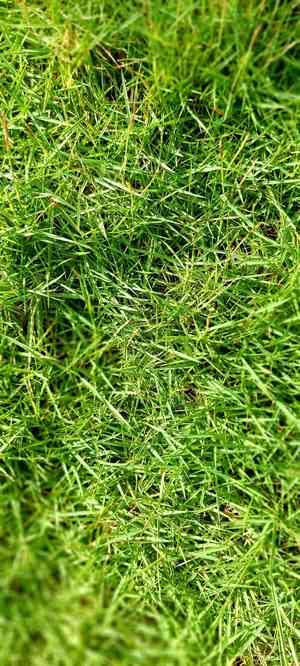
Cynodon dactylon tolerates dry conditions and flourishes in warm environments.
2
Its thick coverage aids in preventing soil degradation.
3
It's a superb option for turf, athletic grounds, and grazing areas.
Why is Bermuda Grass a Preferred Option for Lawns?
Sturdiness and Durability
Bermuda grass exhibits high sturdiness, rendering it an excellent selection for areas experiencing significant foot traffic, such as lawns and athletic fields. Its resistance to stress and harm ensures it stays vibrant and green even under demanding circumstances.
Minimal Upkeep
Bermuda grass demands little care compared to other turf varieties. It is low-maintenance, requiring less irrigation and mowing, which conserves time and resources. Its capacity to flourish with minimal attention makes it a cost-effective solution for homeowners and property managers.
What are the Ecological Advantages of Bermuda Grass?
Erosion Prevention
The dense growth pattern of Bermuda grass makes it effective in preventing soil erosion. It forms a thick mat that stabilizes the ground, minimizing the risk of soil displacement during heavy rainfall or strong winds.
Water Conservation
Bermuda grass is recognized for its drought tolerance. Unlike other grasses that need frequent watering, Bermuda grass can thrive with minimal moisture, making it an eco-friendly choice that supports water-saving efforts.
How Does Bermuda Grass Improve Soil Quality?
Nitrogen Fixation
Bermuda grass possesses the ability to enhance soil fertility through nitrogen fixation. It enriches the soil with vital nutrients, fostering robust plant growth and reducing the need for chemical fertilizers.
Organic Matter Contribution
Bermuda grass contributes to the organic matter content of the soil. As the grass grows and decomposes, it adds organic material to the soil, improving its structure and fertility. This process supports the growth of other plants and maintains a healthy soil ecosystem.
What Makes Bermuda Grass Ideal for Pastures?
Nutrient-Rich Forage
Bermuda grass offers nutrient-dense forage for grazing animals. It is rich in protein and digestible, making it a valuable resource for feeding livestock. The grass's rapid growth rate ensures a consistent supply of quality forage throughout the growing season.
Adaptability to Various Soil Types
Bermuda grass is adaptable to a broad spectrum of soil types, from sandy to clay. Its versatility allows it to establish itself in diverse environments, making it a dependable option for pasture management across various geographic regions.



