How to Transplant Coastal cholla?
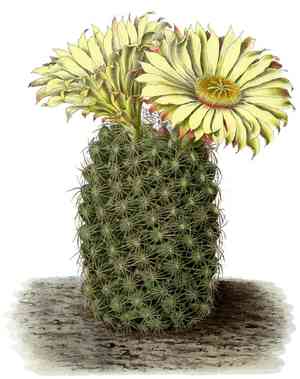
Relocate coastal cholla during the height of summer's warmth to ensure the best root development. Select a bright location featuring soil that drains effectively. When moving established plants, guarantee minimal disruption to their root systems for superior outcomes.
What Preparations are Needed Before Transplanting Coastal Cholla?
What is the Ideal Time for Transplanting Coastal Cholla?
The height of summer warmth is when coastal cholla finds its optimal period for relocation, ensuring vigorous development. Moving coastal cholla during this time utilizes the season's consistent temperatures, giving it a strong head start. A helpful tip â this is the season when coastal cholla's roots establish best, preparing it for flourishing throughout the year!
How Much Space Should You Leave Between Coastal Cholla Plants?
When planting coastal cholla, ensure it has ample room to expand. Ideally, these plants should be spaced 3-5 feet (0.9-1.5m) apart. This spacing allows the plant to establish itself without being overcrowded, fostering healthier and quicker development.
What is the Best Soil Mix for Coastal Cholla Transplanting?
Coastal cholla thrives in well-draining sandy or gritty soil. First, prepare your plant's foundation by mixing topsoil with approximately one-third compost for added nutrients. Then, enrich the soil with a balanced, slow-release fertilizer before planting. This will provide your coastal cholla with an excellent beginning.
Where Should You Relocate Your Coastal Cholla?
When selecting a site for your coastal cholla, consider a location that receives full sun. These plants require at least 4-6 hours of direct sunlight daily. Partially shaded spots can also work, but full sun truly helps these succulent plants flourish.
What Equipments Should You Prepare Before Transplantation Coastal Cholla?
Gardening Gloves
To safeguard your hands while handling the coastal cholla plant, as its spines can be dangerous.
Sharp Pruning Shears
You will need these to cut sections of the coastal cholla plant for relocation.
Shovel
To excavate the hole in the new spot where the coastal cholla plant will be placed.
Burlap Fabric
This will be utilized to wrap the root ball during transport to minimize stress and harm.
Compost
Use compost to enhance the soil's water retention and to supply nutrients for the coastal cholla.
How Do You Remove Coastal Cholla from the Soil?
How Do You Remove Coastal Cholla from the Soil?
From Ground: To extract the coastal cholla from the ground, water it to loosen the soil. Wearing your gardening gloves, use the pruning shears to sever sections of the plant. Each cutting should possess at least one joint.From Pot: If your coastal cholla is in a container, attempt to remove it without causing significant disturbance to the roots. Turn the pot on its side, gently tap the bottom, and slowly pull the plant out. If it's stuck, you might need to run a knife or a thin stick around the rim of the pot to dislodge it.From Seedling Tray: If coastal cholla seedlings are growing in a tray, the process is quite delicate. Handle the seedlings carefully, taking care not to harm the roots or the stem. Tilt the tray to the side and tap it gently to release the seedlings, then carefully lift them out by their leaves.
Step-by-Step Guide for Transplanting Coastal Cholla
Digging the Hole
Excavate a hole in the prepared site. The hole should match the depth of your coastal cholla's root ball and be twice as wide.
Placing the Plant
Position the coastal cholla in the hole. The top of the root ball should be level with the ground surface.
Filling the Hole
Backfill the hole with soil, gently firming it around the base of the coastal cholla.
Watering
Thoroughly water the coastal cholla after planting.
Adding Compost
Apply a layer of compost around the base of the coastal cholla, keeping it slightly away from the stem.
How Do You Care For Coastal Cholla After Transplanting?
Watering
Provide your coastal cholla with sufficient water, especially during dry spells. This plant tolerates drought but will perform better when hydrated.
Pruning
Allow your coastal cholla to concentrate on establishing roots in its new location by removing any blooms or fruit for the first season after transplanting. Also, trim any parts of the plant that appear unhealthy or damaged.
Monitor
Regularly inspect your coastal cholla for indications of pests or diseases. Prompt detection will enable you to implement solutions before these issues escalate.
Protection
If your region experiences severe weather, consider installing a windbreak or cover to safeguard your newly transplanted coastal cholla.
Troubleshooting Common Issues with Coastal Cholla Transplantation.
What's the optimal time of year for transplanting coastal cholla?
Relocate coastal cholla during the 'S5' season for optimal outcomes. Timing is crucial for successful transplantation.
What's a useful tip for preparing the ground for coastal cholla?
Ensure the transplanting area is free of weeds and has well-drained soil. This encourages more robust growth for coastal cholla
How large should the hole be for transplanting coastal cholla?
Dig a hole that is twice the size of the root ball. This is approximately 10-12 inches (25-30 cm) deep - it allows roots to spread easily.
What's the best distance to keep between coastal cholla plants during transplant?
Place coastal cholla plants at intervals of 3-5 feet (0.9-1.5 meters). This provides adequate space for each plant to grow healthily.
Any special care needed when removing coastal cholla from its original planting pot?
Absolutely! Carefully loosen the soil around the pot's edges. Gently lift the plant without disturbing its roots.
What are the watering needs for coastal cholla post-transplant?
Coastal cholla does not require frequent watering. Water it thoroughly after transplanting, then only when the soil becomes dry.
How soon can I expect to see growth after transplanting coastal cholla?
Typically, coastal cholla begins to show new growth within 2-4 weeks post-transplant. This depends on the care provided and environmental conditions.
What type of compost should I use for coastal cholla after a transplant?
A well-rotted compost or manure would be ideal. This will supply essential nutrients for the healthy start of coastal cholla.
How to manage sunlight exposure for coastal cholla after a transplant?
Coastal cholla thrives in sun! Ensure it receives full sun exposure for vigorous growth after transplanting.
Should I immediately fertilize coastal cholla after transplanting?
It's best to wait a few weeks after relocating coastal cholla before applying any fertilizer. Adding it immediately can stress the plant.



